
 E-Paper



Residents conducting survey of Taljai tekdi to maintain biodiversity
This study will help us understand and anticipate the impact of development if it takes place and what we will lose, say volunteers


PUNE: Every weekend, a group of residents from Sahakar nagar and Satara road heads towards Taljai tekdi, with books in their hands. They are part of a group of volunteers conducting a survey of Taljai tekdi, trying to understand its biodiversity and study its flora and fauna.
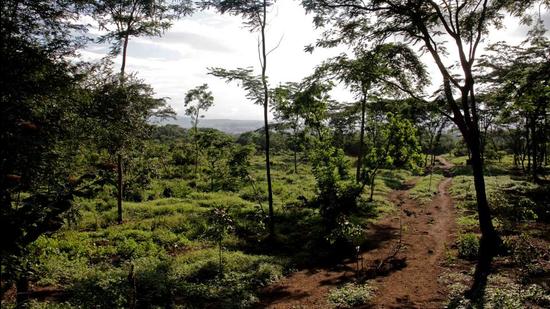
The group began their survey in November and plan to continue for another month so that most of the area is covered. Ketaki Sathe-Kulkarni, coordinator of the survey, said, “So far, we have covered half the area and this rapid survey will give us an idea about the existing flora and fauna diversity, along with the habitats they provide and the associations which they have. This study will help us understand and anticipate the impact of development if it takes place and what we will lose.”
“Ideally, our hills have dry deciduous species which include Hiwar, Pandhara Khair, Son Khair (different species of Acacia), Capparis Zeylenica, Flaucortia Indica. All these are trees with networked branches and thorns that encourage small birds such as shrike, munias, robins and bushcats to build their nests,” Kulkarni said.
The tekdi also has the climber plant Dregea Volubilis which requires tall trees for support. Also, this climber forms a habitat where mammals like wild hare can hide. Kulkarni said that another dominant grass species found till date is the Apluda Mutica which stands third to fourth in terms of succession of grasses. Which means that the soil, although not of the best quality, definitely contains some quantity of organic matter.
The group of residents is not only studying the flora and fauna but also actively participating in planting trees. “Following our expert advice, we have planted trees like Moha, Kanchan, Wad, Pimpal, Muchkund, Bel and Putranjiva too,” said Indranil Sadagale, member of the Sahakar Nagar Residents’ Association.
The survey will also study the soil apart from various species of flora and fauna and has received the support of the Environment Club of India.


