
 E-Paper



Taste of Life: Restaurants on the reform menu for this social educationist
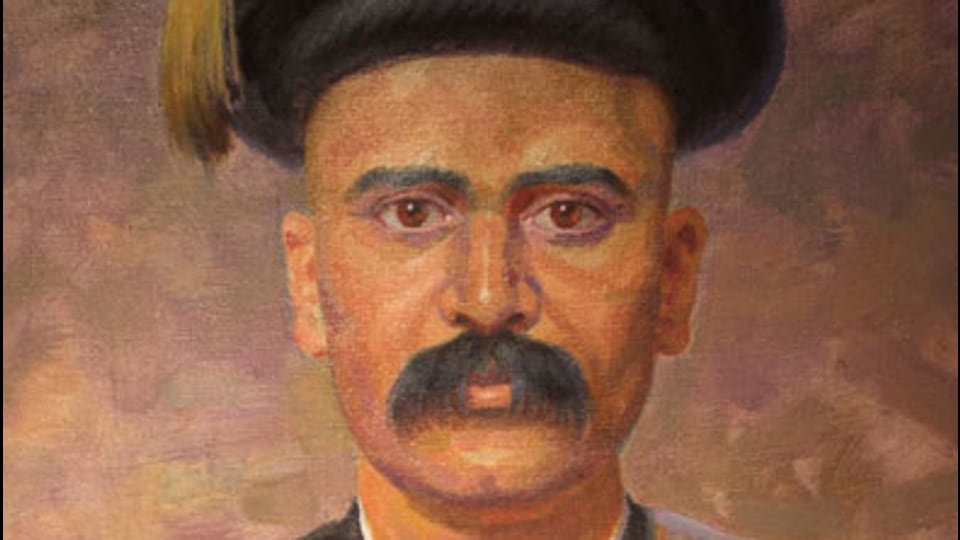
It was Gopal Ganesh Agarkar, social reformer, educationist , and the founder-editor of “Kesari”, who took it upon himself to sell Maharashtra on the necessity of the modern restaurant. Between 1885 and 1887, he wrote two articles in “Kesari” elaborating the need for restaurants in developing cities like Pune


People all around the world have eaten away from home for centuries, but the restaurant as opposed to the inn or the khanaval, food-stand or other convenience or necessity, has existed for merely 250 years. Even though Marco Polo wrote about restaurants being operational in China in the 10th century, the modern restaurant was born in Europe in the mid-eighteenth century, and it took a century more for it to reach India.
Bombay and Calcutta boasted of a few European restaurants in the mid-nineteenth century which almost exclusively served the wealthy European clientele. These institutions had all the characteristics that could be attributed to the modern restaurant – waiters, menus, longer operational hours than an inn. But, these restaurants did not cater to the common Indian population. Travelers, pilgrims, students expected to be fed, and the options were limited. “Pune Bhojanagruha”, the first modern, “native” restaurant in Pune and Maharashtra, owned by Narayan Ramchandra Ponkshe opened in June 1881, and started to fill this void.
The restaurant, unfortunately, could not sustain itself shut its doors in 1884. Vishnushastri Chiplunkar, one of the tallest social leaders in Maharashtra then, had actively supported the endeavour. It is likely that he had made a financial investment in the restaurant. He had written an editorial in “Kesari” in 1882 to make people aware of the restaurant. Chiplunkar was not alive when the restaurant closed down.
It was Gopal Ganesh Agarkar, social reformer, educationist , and the founder-editor of “Kesari”, who took it upon himself to sell Maharashtra on the necessity of the modern restaurant. Between 1885 and 1887, he wrote two articles in “Kesari” elaborating the need for restaurants in developing cities like Pune. He followed it up with another article on the same topic in 1893 in his newspaper “Sudharak”. All three articles were titled “Bhojanagruha”.
The first of Agarkar’s articles appeared on February 10, 1885. The articles (which I found arduous to translate into English) are full of his signature sarcasm and wit. They are excellent specimens of his brilliant command over the language and could be considered among the finest articles on food ever written.
“We had written an article a few years ago informing our readers about a Western establishment named ‘Bhojanagruha’. The building flaunted a big signboard bearing the name, and it was a testimony to the changing times in Pune. We were very sure that the Bhojanagruha would be a great success. But unfortunately, we were proven wrong”, he admits in the beginning and then proceeds to enlist the reasons behind this debacle – patrons not paying for their orders, lack of quality of food, mismanagement at the restaurant.
He attributes the loss made by the restaurant to the first cause. If the proprietor is not paid for the food, how is he supposed to buy groceries for his establishment, he asks.
Agarkar’s article mentions some dishes from the menu at “Pune Bhojanagruha” – Bhakari (flatbread made of jowar or bajra), rice, tempered dal, buttermilk, laddoos, and chiwda. These dishes were praised by many when the “Bhojanagruha” started, but later, because the clients were unwilling to pay on time, the quality suffered. The buttermilk turned watery and tasteless, the bhakaris were chewy, and it was impossible to find pulses in the dal, Agarkar writes.
The article brings forth an unfortunate outcome of this debacle. The owner of the “Bhojanagruha” went bankrupt due to non-paying patrons. This also explains why the “Bhojanagruha” had to change its location almost every year. Agarkar rues the loss suffered by the proprietor, but advises his readers not to be wary of this incident, and start another “Bhojanagruha” as soon as possible.
The lack of restaurants in Pune and Maharashtra was not a perfunctory concern for Chiplunkar and Agarkar. They genuinely believed that restaurants were important markers of the development of a city and the nation. “A Bhojanagruha is an important institution for the development of a city and its inhabitants. The restaurants should be encouraged and helped in every possible way. We have this misguided habit of ridiculing entrepreneurs and businessmen. They are absolutely necessary if we need to make our country self-reliant. I regret that we failed the Bhojanagruha”, Agarkar concludes.
Agarkar’s second article which appeared in 1887 tows the same line. He begins by admonishing his readers for not paying at the “Bhojanagruha”.
“Our people have this peculiar habit of saving as much money as possible. They either bury it under their houses or in their fields or buy jewellery for their wives and daughters. This custom was acceptable during the reigns of the Mughals or the Peshwas when people were worried about protecting their wealth. But these days one could travel from Banaras to Rameshwar fearlessly with all their money. So one should also be fearless in spending it. Rather than using it to make jewellery, one should have paid for the food at khanavals and Bhojanagruha, or start a business”, he writes.
He then makes his readers aware that there is no shame in starting a restaurant. “This business is a respectable one like any other, and should not be discouraged. We need educated people who understand economics to start Bhojanagruhas. I myself have studied the trade a bit, and I think that it is possible to earn a profit of Rs30 each month if one goes on to invest Rs500 to start a Bhojanagruha. This business definitely gives high returns, and it is unfortunate that nobody has thought of starting one after the previous debacle”, he writes. Students and travellers are suffering due to the lack of respectable restaurants, and the citizens of Pune should step forward to feed them and earn money in return, he urges.
One of the brilliant features of this article is the appeal he makes to women. “This business is ideal for women. They should start a Bhojanagruha instead of staying home and cooking for their families. They would be able to earn a respectable amount and would soon be able to support their families”, he writes.
Agarkar wanted Pune to have at least 10 colossal buildings housing “Bhojanagruhas”. The buildings should have big signboards announcing the names, he wrote. This wish remained unfulfilled during his lifetime. But within a few decades the restaurants in Pune, and India, became a site of supposedly healthful eating. They indeed became markers of the prosperity of the country. We have to be grateful to Ponkshe, Chiplunkar and Agarkar for that.


