

 E-Paper


Unseasonal rain eases heat, brings relief to farmers preparing for rabi season
The rainfall also brought respite from the month-long October heat, during which Pune and several parts of the district experienced

 Prefer HTon Google


Widespread unseasonal rain swept across Pune district on Monday, ending a prolonged spell of hot and dry weather and bringing relief to farmers preparing their fields for the winter (rabi) cropping season. The showers, which ranged from moderate to heavy in several areas, are expected to improve soil moisture and provide favourable conditions for sowing winter crops, particularly in rain-dependent agricultural pockets, said agriculture experts.
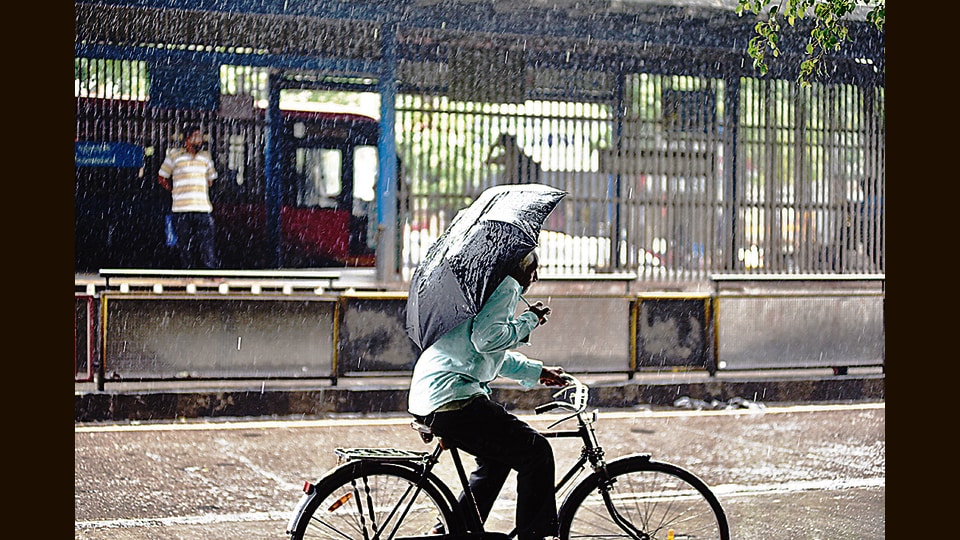
The rainfall also brought respite from the month-long October heat, during which Pune and several parts of the district experienced above-normal daytime temperatures, with the mercury crossing 35 degrees Celsius on multiple occasions.
Two weather systems contributed to the significant rainfall recorded in Pune on November 2. The first was the incursion of moisture-laden winds associated with the landfall of Cyclone Arnab, while the second was an active subtropical westerly jet stream.
Baramati recorded 158 mm of rain by 7 am, according to local reports. The downpour left several roads and low-lying areas waterlogged within hours, disrupting normal life. In view of the situation, a holiday was declared for Baramati Municipal Council-run schools.
Pune district is likely to receive light rainfall until November 4. However, the chances of similar intense rainfall in the coming days are relatively low, said S D Sanap, senior meteorologist at IMD Pune.
Pune has witnessed several high-intensity 24-hour rainfall events during November in years influenced by El Niño, with seven of the 10 highest such events recorded during El Niño years, according to historical rainfall data.
The highest rainfall events include 95 mm in 2015, 93.8 mm in 2009 and 75.4 mm in 1997. Other significant events include 52.3 mm in 2019, 42.6 mm and 37 mm in 2009, and 41.1 mm on November 2, 2026.
Weather experts said the historical pattern highlights a notable association between El Niño years and intense November rainfall in Pune. However, they cautioned that El Niño is not the only factor influencing rainfall, as multiple atmospheric systems play a role in determining the intensity and distribution of precipitation.
For farmers, the rainfall comes at an important stage in the agricultural calendar. With rabi sowing preparations underway, the showers are likely to replenish soil moisture, improve field conditions and help farmers sow crops such as jowar, wheat, gram and other winter crops. The rainfall could particularly benefit farmers dependent on rainfall for initial soil preparation and sowing, reducing their immediate dependence on irrigation.
However, the extent of the benefit will depend on the distribution of rainfall and subsequent weather conditions. Excessive or continued unseasonal rain could adversely affect standing crops and agricultural operations in some areas.
Since the southwest monsoon has already withdrawn from Maharashtra, the current showers are part of post-monsoon weather activity, offering a welcome break from the October heat while providing a timely boost to agricultural preparations for the rabi season.


