
 E-Paper



Covid-19: Tablighi Jamaat head says he has joined Delhi Police probe, asks for copy of FIR against him
In a letter to the case investigating officer, Tablighi Jamaat head Maulana Saad has written that he had joined the Delhi Police investigation by replying to the police’s two e-mails sent earlier this month.


The head of the Tablighi Jamaat, Maulana Saad, has written to the Delhi Police seeking a copy of the first information report (FIR) against him and seven others. Police had filed a criminal case against Saad and six other top officials of the Jamaat on March 31 for defying a series of government directives, which curbed religious and large gatherings, issued to contain the spread of the coronavirus (Covid-19) disease in the Capital.
In the letter, Saad has asked the police if they have added any new Indian Penal Code sections to the FIR.
Delhi Police officers, requesting anonymity, had on Wednesday confirmed that they had added Section 304 in the FIR against Saad.
Section 304 of the IPC, related to culpable homicide not amounting to murder, is a stringent section, unlike the other sections of Epidemic Diseases Act which had been levied in the FIR initially. A person convicted under Section 304 of the IPC could be sentenced to a maximum of ten years’ imprisonment.
In a letter to the case investigating officer, Saad has written that he had joined the investigation by replying to the police’s two e-mails sent earlier this month.
Saad’s lawyer Shahid Ali confirmed that they wrote to the police on Thursday. “We have given a letter to the Delhi Police stating that we have replied twice to the notices issued to us. We also asked them about media reports related to a particular section that has reportedly been added to the FIR. We also sought the copy of the FIR. We have reiterated that we are always available for cooperation in the investigation. We have not received any notices or summons to join the investigation except for some information they asked of us in their two letters.”
The FIR, filed March 31, was first registered under sections of the Disaster Management Act as well as IPC sections which included criminal conspiracy (120 B), a negligent act likely to spread disease (269), malignant act likely to spread infection (270), disobedience to quarantine rule (271) and defying prohibitory orders (188). The maximum punishment, if convicted, under those sections is a two-year prison term with a fine or both.
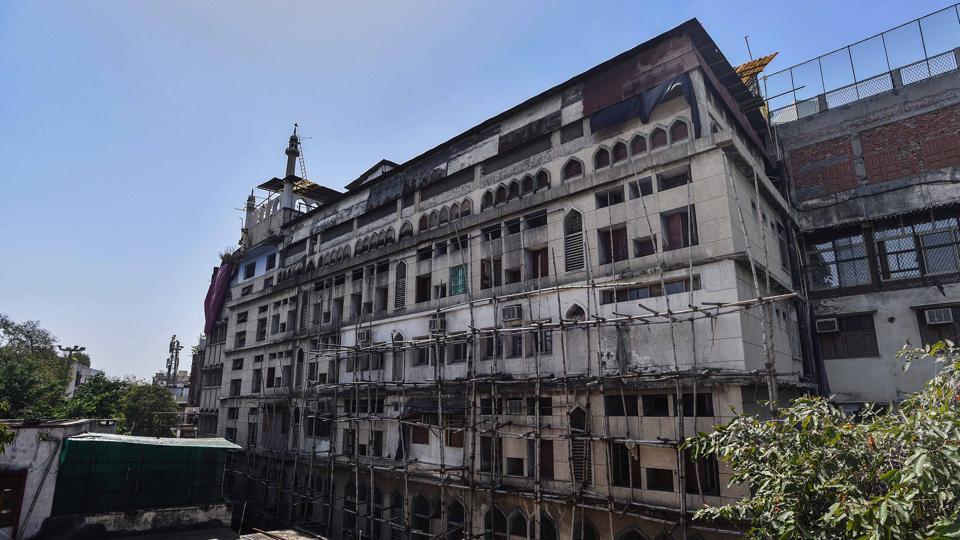
Last month, police officers and state government officials had evacuated more than 2,300 persons from inside the Markaz building in Delhi’s Nizamuddin, the headquarters of the Tablighi Jamaat, where they had gathered for a religious congregation of indeterminate length. The meetings continued despite orders by the Delhi government banning all religious events (March 13), restricting gatherings to 200 people (March 16), and then putting a four-person limit (March 21) on all gatherings. The Nizamuddin area was also declared a containment zone after the evacuation. At least 21 evacuated persons had then tested positive for the Sars-Cov-2.
Earlier this month, police had sent two questionnaires to Saad, containing 29 questions related to the Tablighi Jamaat and the gatherings between March 10 and 15. In the first notice, which had 26 questions, sent on April 1, the investigating officer had sought details of CCTV cameras inside the building and had asked Saad to preserve the footage. The police had asked for details of all the people, including foreigners, present in the building last month. There was also a question on the steps taken by the management to disperse the gathering after the government had issued the prohibitory orders.


