
 E-Paper



By The Way: On the sorry road of moral policing from Faridkot to Chandigarh
As a police inspector accused of moral policing finally apologised at the cost of two deaths, it’s time to wonder what triggers this behaviour, and why people say sorry at all, especially when they don’t mean it.


He is sorry. Yes, he is. At least he said so. Before a crowd. Hands folded; chin down. Because, people felt he made a mistake. His feelings are different. He is a police inspector. The year is 2018. Place: Punjab’s Jaitu town in Faridkot district, two hundred and fifty kilometres from the state capital Chandigarh.
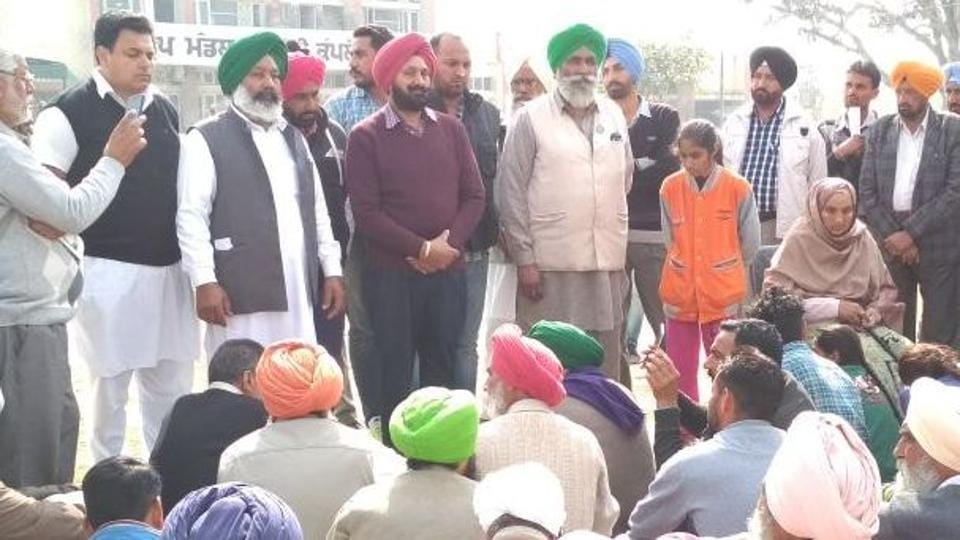
With this historic moment last week, an immoral act of moral policing ended amicably. Or so we are told. And we are not supposed to be angry any longer. No matter that the apology came after death of two policemen in a situation triggered by the inspector’s — and society’s — idea of morality.
The inspector had “picked up” three college students from a bus stop, because one of them was a woman and he felt the responsibility, the right, to curb this culture of “aashiqui”. He tortured the men, insulted the woman and threatened to have her treated the same way; and then did not turn up the first two times a local DSP mediated for an apology. When some students and farmer unions got together to protest, the DSP reached there and ended up shooting himself in what can only be described as an emotional outburst. The bullet pierced through his head and killed a constable too.
At this, the inspector got off the high horse. A panchayat was arranged and he appeared there; and said, “Sorry!”
To expand a point made by a writer friend: With it, society pressed the reset button to a system of justice delivery that we thought was long gone. Punitive norms were redefined even as we pretend to have a system of equal opportunity and equal punishment.
The definition of acceptable behaviour changed ever so slightly. And the bar of forgiveness was lowered. No matter how high the cost.
Cut to Chandigarh. The year is 1999. Place: Sector 11. A young man, fresh out of school from a district not far from Faridkot, is standing there, staring at the road, specifically at a woman riding a Kiney (pronounced like ‘shiny’), Chandigarh’s nickname for Kinetic Honda scooter. It is surreal. How is she so free?
He wants to share the feeling with someone, and spots a cop also staring at this woman-on-a-Kiney phenomenon. The two men share a smile and a wondrous helplessness unique to places that function on the thin line between patriarchy and freedom. Do they feel sorry? Sorry for themselves?
Cut back to Jaitu. January 12. The three college friends are helpless as they wait for a government-run bus that will accept their free-travel passes. The private operators do not give them the concession. Meanwhile, the inspector is helpless. He is only doing his duty of pandering to the villagers’ desire to curb this corrupted culture of young men and women hanging out together, talking to each other at public places, waiting for buses, and god knows what else. He is not a policeman doing his duty. He is much more.
Anyway, let’s end this conversation elsewhere, in a timeless vortex. Place: corridor of a school in a town between Jaitu and Chandigarh. Two boys and a girl are talking to each other near the water dispenser. A teacher sees them. Together. Talking To Each Other. Girl to Boys. Boys to Girl. The teacher tells them they are shameless. They feel helpless. They are sorry. They say so. Hands folded. Head down. One of the two boys is now a police inspector. The girl is a teacher. The other boy is still standing there, wondering what sorry means. Does it mean anything at all?
Writer tweets at @aarishc. Views expressed are personal.


