The symbolism of the first United States president being the Republic Day chief guest marks a degree of confidence in the state of bilateral relations.
But there is no shortage of doubt about the steadfastness of India-US ties. Indians look to the on and off relationship between the US and Pakistan.
American sceptics note New Delhi’s passage of a nuclear liability law, which has made it all but impossible for US-based reactor makers to sell their wares to India.
In strategic terms this is less about actual commercial value than it is about whether India is the sort of country that can fulfil its promises. New Delhi’s track record on this front is, at best, mixed. India-sceptics argue that the India-US nuclear deal was about Washington wielding enormous influence to change a global system for India’s benefit — but was then followed by the Manmohan Singh government trying and failing to return the favour.
This school argues India is simply not ready to be a global player and may never be.
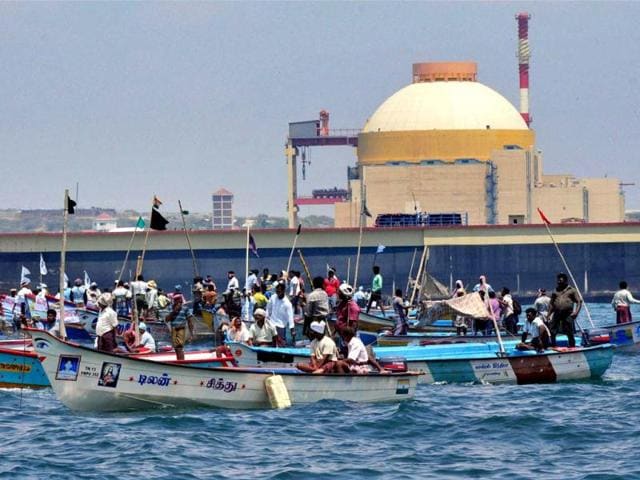
The liability law is flawed not only in terms of what it has done to foreign nuclear reactor firms. Its poor drafting has led to the virtual shutdown of India’s own domestic nuclear industry. Since its passage, the roughly 200 Indian makers of reactor components have declined to sell spare parts to the Nuclear Power Corporation of India. Even domestic Indian reactors cannot be built and the existing ones are heading for a crisis as their components wear out.
{{/usCountry}}The liability law is flawed not only in terms of what it has done to foreign nuclear reactor firms. Its poor drafting has led to the virtual shutdown of India’s own domestic nuclear industry. Since its passage, the roughly 200 Indian makers of reactor components have declined to sell spare parts to the Nuclear Power Corporation of India. Even domestic Indian reactors cannot be built and the existing ones are heading for a crisis as their components wear out.
{{/usCountry}}The Narendra Modi government has decided to continue with the practice of the Singh regime: Try to find a patchwork solution without changing the legislation. Rules interpreting the law are being twisted and a domestic insurance pool is being formed. The problem is none of these fixes can be legally tested except in the aftermath of a nuclear crisis. The US — and other powers — continue to push for a resolution to the nuclear liability issue. But a more fundamental reason to find a final settlement to this thorny issue is that everything India has accomplished in the field of civilian nuclear power in the past six decades is in danger of being lost.