The ugly sentiments expressed by the lawyers for the accused in the December 16 Delhi gang rape shocked every civilised person. Equally the justifications given by some lawyers and activists in Nagaland about the lynching of a rape accused in Dimapur were spine chilling. They felt that this was a reaction to Leslee Udwin’s documentary on the Delhi case and also to the tardy manner in which the criminal justice system functions. However, nothing can justify people taking the law into their own hands. The killing in Nagaland was caught on camera and took place after a mob of not less than 5,000 people stormed a jail and led the accused to his death. They had planned to hang him in the town square but beat him to death before that.
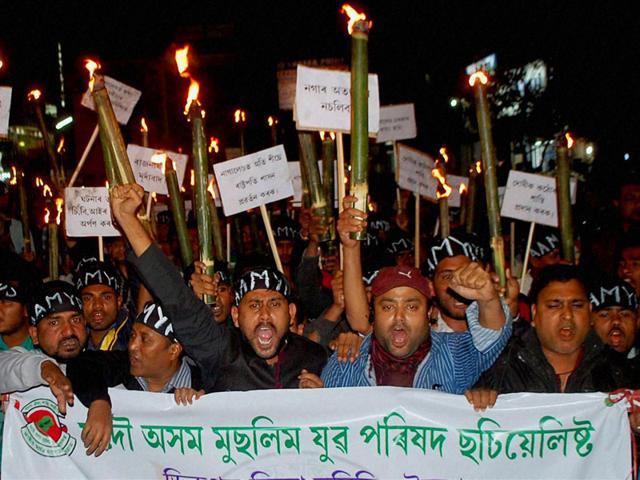
The police excuse that they were overwhelmed by the mob does not really hold water. Seeing the mob gathering, they could have called for reinforcements. If the mob indeed materialised suddenly, then it must be examined as to how this was possible and what method of communication was used. There is no doubt that the criminal justice system is weighted against rape victims. Indeed, FIRs are not filed on time, evidence is not collected and the victim is often coerced into silence. But however inadequate the system may be, people cannot be allowed to become the judge, jury and executioner. This is a very dangerous trend. The killing also seems to have triggered attacks on establishments owned by those from outside Nagaland. The state must act to stop this spreading. Earlier, a man who allegedly attempted to molest a girl in West Bengal was stripped and paraded naked, as was the victim in Nagaland, and castrated and left to die.
The excuse that it is difficult to press charges because a mob was involved is specious. These incidents were caught on camera and it is not difficult to identify at least the leaders of the mob. However, these acts of violence by people should serve to push the authorities to conclude cases of rape and violence against women within a timeline. The longer these cases are prolonged, the greater the chance of witnesses changing their statements and the victim being traumatised further. The civil society protests in Delhi galvanised the authorities at the time. The culprits were apprehended and the law has taken its course. In the Nagaland case, the accused had not even been convicted of the crime. A very strong message has to go out that the culprits in this case will be apprehended and that this sort of vigilante justice will not be tolerated.
{{/usCountry}}The excuse that it is difficult to press charges because a mob was involved is specious. These incidents were caught on camera and it is not difficult to identify at least the leaders of the mob. However, these acts of violence by people should serve to push the authorities to conclude cases of rape and violence against women within a timeline. The longer these cases are prolonged, the greater the chance of witnesses changing their statements and the victim being traumatised further. The civil society protests in Delhi galvanised the authorities at the time. The culprits were apprehended and the law has taken its course. In the Nagaland case, the accused had not even been convicted of the crime. A very strong message has to go out that the culprits in this case will be apprehended and that this sort of vigilante justice will not be tolerated.
{{/usCountry}}