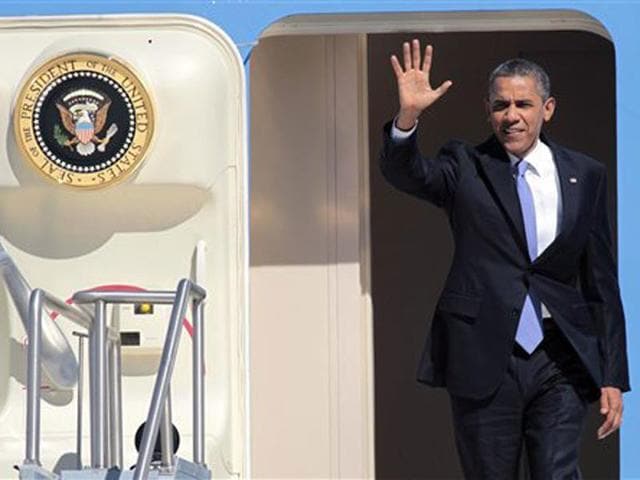
US President Barack Obama triggered enthusiasm among advocates of an open, equitable, internet this week when he asked US regulators to forbid cable and telecoms companies from discriminating among different types of content travelling through their networks. He also provoked angry recriminations from big connectivity providers who want to charge extra for digital fast-lanes where those willing to pay, video and music streaming firms, for example, will get priority.
The debate over ‘net-neutrality’ sounds like an arcane regulatory tussle, but it could hardly be more relevant for India as we experience an extraordinary surge in internet use. True mobile broadband is beginning to come on stream as 4G networks light up, businesses increasingly rely on cloud services and data, and consumers look to shop, entertain, and inform themselves online. Over the next 12 months, India will surpass the US to become the world’s second-largest online audience with 350 million people, behind only China. In this environment, regulatory decisions made in the US matter deeply to India. As India builds its own internet economy, it needs a regulatory framework that supports the emergence of new companies and free flow of ideas. No service provider should be able to privilege content from a firm it owns, or does business with, and no one should be able to block you from viewing legal content that you want to see in order to preserve their own advantage. These principles are crucial to our digital economy and our public sphere.
We should also cheer Mr Obama’s remarks for another reason. If Indian companies are to compete at the heart of the global internet economy, they need access to American markets and consumers. That means they need to be on equal terms with big western incumbents who would happily pay to slow them down. Net neutrality gives the developing countries a chance along with new companies. So for our prospects at home, and abroad, we sincerely hope both US and Indian regulators heed Mr Obama’s words.
{{/usCountry}}We should also cheer Mr Obama’s remarks for another reason. If Indian companies are to compete at the heart of the global internet economy, they need access to American markets and consumers. That means they need to be on equal terms with big western incumbents who would happily pay to slow them down. Net neutrality gives the developing countries a chance along with new companies. So for our prospects at home, and abroad, we sincerely hope both US and Indian regulators heed Mr Obama’s words.
{{/usCountry}}