The contradictory pulls of South Asian countries that have stymied regional cooperation in the past are again on view at the Saarc summit in Kathmandu. At the time of going to press there was no headway on the three agreements to improve connectivity owing to Pakistan’s objections that it did not have enough time to consider the proposals.
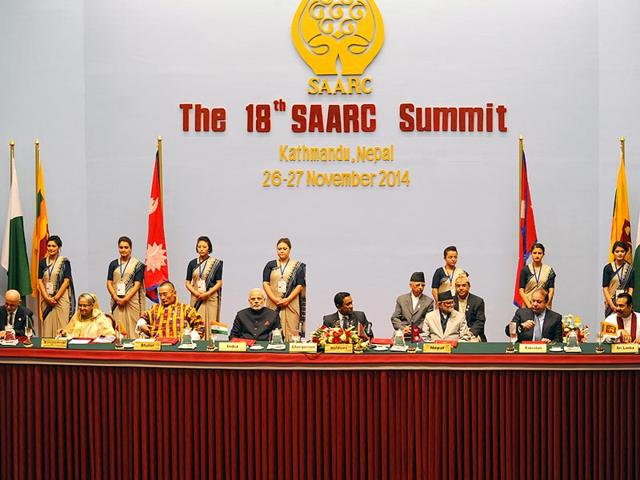
Earlier there were differences over China’s role in Saarc with Islamabad making a pitch for a bigger role for observers. Some Cabinet ministers in Nepal also backed Beijing’s efforts to have a more active role in the grouping. India rejected the suggestion on the grounds that Saarc needs to deepen cooperation within the organisation before it considers expansion. Given that the epicentre of the world economy is shifting from the West to the East, it is only natural that Asia should have interlocking institutional arrangements that include China — which incidentally backed India this year for full membership in the Shanghai Cooperation Organisation. India’s reluctance is, however, understandable. Beijing tends to buy influence in countries quickly and thus it is only reasonable that New Delhi is not keen on offering Saarc as a platform for China. That said, Beijing’s ambitions should prompt India to urgently work on the integration agenda with its smaller neighbours since China anyway will — with or without entry into Saarc.
Prime Minister Narendra Modi attempted to move the conversation into the future with his address, which was perceptive in its diagnosis but not far-reaching enough as hoped. Mr Modi rightly said reactions to Saarc were marked by cynicism and scepticism among the public. He spoke of the “billions” Indian companies invest abroad while neglecting the neighbours; he referred to the absurdity of ferrying goods to Pakistan’s Punjab via Dubai and Karachi at four times the cost. Mr Modi declared infrastructure as his greatest priority and promised to finance its development in the region. He undertook to improve border facilities, grant 3-5 year business visas for Saarc countries and reduce paperwork to make business transactions easier. He spoke of redressing in the future India’s trade surplus with neighbours and establishing cross-border industrial corridors.
{{/usCountry}}Prime Minister Narendra Modi attempted to move the conversation into the future with his address, which was perceptive in its diagnosis but not far-reaching enough as hoped. Mr Modi rightly said reactions to Saarc were marked by cynicism and scepticism among the public. He spoke of the “billions” Indian companies invest abroad while neglecting the neighbours; he referred to the absurdity of ferrying goods to Pakistan’s Punjab via Dubai and Karachi at four times the cost. Mr Modi declared infrastructure as his greatest priority and promised to finance its development in the region. He undertook to improve border facilities, grant 3-5 year business visas for Saarc countries and reduce paperwork to make business transactions easier. He spoke of redressing in the future India’s trade surplus with neighbours and establishing cross-border industrial corridors.
{{/usCountry}}All these steps are laudable, but regrettably they fall short of the unilateral initiatives that strategists hoped he would announce now, particularly relating to opening India’s market to neighbours and restructuring its transit regimes so that neighbours can trade with each other through India. Mr Modi seems to prefer an incremental, bilateral approach to connectivity rather than an expansive, radical one. That approach is not without its merits. It all depends on how quickly agreements can be reached and infrastructure projects completed.