The second cut in the short-term lending rate by the Reserve Bank of India (RBI) in as many months comes bundled with widespread anticipation that these would eventually percolate down to the end borrower. The quarter percentage point cut in the repo rate, at which the central bank lends money to commercial banks, at 7.5% is now 1.5 percentage points lower than its peak of 9%. Hopes have sprung anew that banks will finally begin unwinding the high equated monthly instalments (EMIs) that home loan borrowers have been forced to cough up over the last three years. RBI governor Raghuram Rajan had kept interest rates high for the most part of the last 18 months withstanding mounting pressure from different quarters.
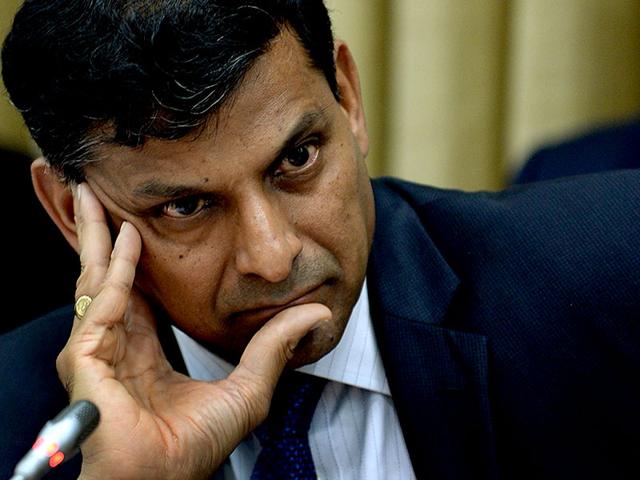
Mr Rajan’s latest action stands out from his previous ones in two aspects. This is the first decision on interest rates after the RBI and the government’s agreement on adopting a monetary policy framework which makes taming inflation the primary task of the bank’s policy choices. Inflation targeting has set a new retail inflation target of below 6% by January 2016 and 4% by March 2017. With the consumer price index inflation at 5.1%, the RBI reckons the price line will unlikely raise its ugly head beyond manageable limits in the coming months. Second, the latest move comes after the NDA government’s first full budget, which lays down a fiscal consolidation roadmap. A lower fiscal deficit is vital to increasing household savings and making more funds available for the private sector and push investment. A high fiscal deficit —the amount of money the government borrows to fund its expenses — can ‘crowd out’ the private sector from the credit market by shrinking banks’ pool of lendable resources to industry and households.
There are, however, a few caveats, which Mr Rajan has sounded out. The RBI reckons that India’s GDP — or the aggregate value of all goods and services produced in the country — will likely grow faster than last year, but by no means does this necessarily mean that the recovery will be decidedly V-shaped. The government’s revised statistics estimate that the GDP would grow by 7.4% in 2014-15, but as the RBI obliquely hinted, few questions loomed over the new methodology, as the findings are at odds with still-low direct measures of growth of production, credit, imports and capacity utilisation. Inflation, too, could again stutter to rise if oil prices continue to firm up, or the summer rains play truant again this year. That said even the RBI agrees that the ‘picture of a steadily recovering economy appears right’. It’s now over to the banks to cut rates and for companies to raise capital and expand.
{{/usCountry}}There are, however, a few caveats, which Mr Rajan has sounded out. The RBI reckons that India’s GDP — or the aggregate value of all goods and services produced in the country — will likely grow faster than last year, but by no means does this necessarily mean that the recovery will be decidedly V-shaped. The government’s revised statistics estimate that the GDP would grow by 7.4% in 2014-15, but as the RBI obliquely hinted, few questions loomed over the new methodology, as the findings are at odds with still-low direct measures of growth of production, credit, imports and capacity utilisation. Inflation, too, could again stutter to rise if oil prices continue to firm up, or the summer rains play truant again this year. That said even the RBI agrees that the ‘picture of a steadily recovering economy appears right’. It’s now over to the banks to cut rates and for companies to raise capital and expand.
{{/usCountry}}