Pakistan’s crisis-ridden tour of England has taken another extraordinary turn, with PCB director of high performance Aaqib Javed publicly questioning the seriousness of Imam-ul-Haq’s injury and declaring that the opener will face an inquiry after failing to bat in either innings of the second Test at Lord’s.
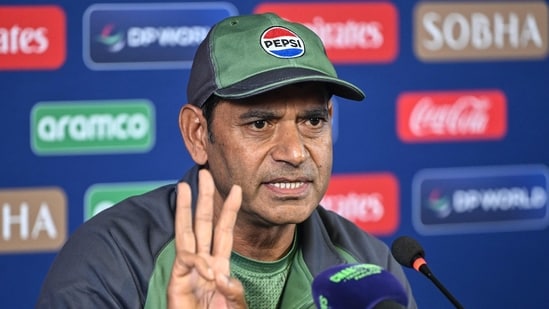
Pakistan’s 194-run defeat at Lord’s had already triggered a sweeping overhaul. Seven players, including Imam, Mohammad Rizwan and Salman Ali Agha, were recalled from the tour, while head coach Sarfaraz Ahmed and bowling coach Umar Gul were also removed from their roles. Mike Hesson, Pakistan’s white-ball coach, has been handed charge of the Test side ahead of the third and final match at Edgbaston.
The upheaval followed two comprehensive defeats. Pakistan lost the opening Test by an innings and 103 runs before being beaten again at Lord’s, surrendering the series with a match still to play. Amid the fallout, Misbah-ul-Haq also offered his resignation from the national selection committee.
Deep Dive
What injury did Imam-ul-Haq sustain during the first Test at Lord's?
Why is Aaqib Javed questioning Imam-ul-Haq's commitment following his injury?
What consequences could Imam-ul-Haq face regarding his injury situation?
It is against that backdrop that Aaqib has now turned the spotlight firmly on Imam. Speaking on Geo News’ programme Aaj Shahzeb Khanzada Kay Sath, Aaqib said he was deeply disappointed (as quoted by ESPNCricinfo) that a low-grade calf injury had prevented the opener from making any contribution with the bat at Lord’s.
“The Imam injury is a big question mark, and a deep disappointment,” Aaqib said. “Players in the past used to get injuries, but they used to put on casts and still tried. We'll take action against this. How is it possible that a pulled muscle ruled you out of batting in both innings? He should have tried and fought. He'll have to face an inquiry; I can't say he faked it, but a muscle pull like that cannot stop you from batting altogether.”
Aaqib questions Pakistan’s selections at Lord’s
{{/usCountry}}“The Imam injury is a big question mark, and a deep disappointment,” Aaqib said. “Players in the past used to get injuries, but they used to put on casts and still tried. We'll take action against this. How is it possible that a pulled muscle ruled you out of batting in both innings? He should have tried and fought. He'll have to face an inquiry; I can't say he faked it, but a muscle pull like that cannot stop you from batting altogether.”
Aaqib questions Pakistan’s selections at Lord’s
{{/usCountry}}Imam had sustained the injury to his left calf while fielding on the opening day at Lord’s. The PCB subsequently said scans had confirmed a low-grade strain and that his further participation in the Test would depend on his recovery under the supervision of the medical team.
He did not bat in either innings, leaving Pakistan effectively a batter short as their batting line-up struggled badly against England. Aaqib’s criticism went beyond Imam, however. He argued that Pakistan’s team management had failed to make necessary changes to the combination despite concerns being communicated to captain Babar Azam and the coaching staff.
“Two Test matches have come and gone, and the team has not competed in any way,” Aaqib said. “There's one Test still to go. They had a pace allrounder available, a second wicketkeeper, a fast bowler in Ubaid Shah. But those decisions were not being made. I spoke to the captain and coach and asked them to put Ubaid in because the other bowlers are all similarly paced.”
Aaqib was equally forthright about Pakistan’s batting composition and the decision to persist with Rizwan.
“No batter in our top seven bowls. We should have included an allrounder, but most importantly, get in Ubaid Shah, who bowls close to 140kph. One fast bowler changes the composition of your attack,” he said. “I understand dropping Agha, who's out of form, but you should have played Ghazi Ghori instead of Rizwan. Someone had to take action. The world is laughing at us because we can't even compete.”
According to Aaqib, recalling seven players was intended to send an unmistakable message about the standards expected on major overseas tours. “The message we're sending to the recalled players is that you have to raise your game on important tours and compete, and we should be able to see some effort,” he said.
Aaqib also sought to draw a distinction between the selectors’ responsibility for picking the touring squad and the responsibility of the captain and coaching staff for choosing the XI.
“When we select the team as coach or captain and make a squad, we're responsible for that squad. But once they go on tour, we cannot do anything about the match-to-match combination,” he said. “Your captain, head coach and management have some responsibilities.”
Hesson will now take charge for the third Test, which begins at Edgbaston on September 9, with Aaqib acknowledging that Pakistan’s drastic changes may not immediately translate into victory.
“Mike Hesson has taken responsibility, and we'll try and support him in every way,” he said. “Let's see how Babar and Mike work together. It's difficult to see us getting a result in one match, but people should see we still have talent.”