


 Live Score
 Cricket Teams
 Cricket Players
Afghanistan refuse to learn from KL Rahul mistake, DRS calls messed up again as Rishabh Pant, Shubman Gill make merry
India's strong performance in the one-off Test against Afghanistan is marred by missed opportunities for the latter.

 Prefer HTon Google


India are not simply running away in the one-off Test match because Afghanistan had no answers. That would be the easy reading. The harder truth is that Afghanistan kept finding small doors back into the match, only to walk past them.
By the second morning of the one-off Test in New Chandigarh, India had already built the innings around KL Rahul, Sai Sudharsan, Shubman Gill and Rishabh Pant. Rahul’s century on Day 1 had come after an early reprieve. Gill had resumed unbeaten after reaching three figures. Pant, already set overnight, was beginning to stretch the innings with his usual force. At 398/3, India were strong, but the second new ball had started giving Afghanistan something.
Afghanistan’s DRS Blinders Help India Tighten Control
Azmatullah Omarzai produced the spell Afghanistan needed. The ball was harder, the seam was livelier, and for a brief passage, India’s two most dangerous batters in the middle were not in control. Gill and Pant survived consecutive deliveries that could have changed 398/3 into 398/5.
At 88.4, Omarzai angled one in from over the wicket to Gill. The ball nipped back, beat the inside edge and hit the pads. The appeal drew attention, which raised doubts; the umpire denied it, but Omarzai remained sufficiently interested. Afghanistan discussed it, but Hashmatullah Shahidi did not take the review. Ball-tracking later showed three reds. Gill would have been lbw.

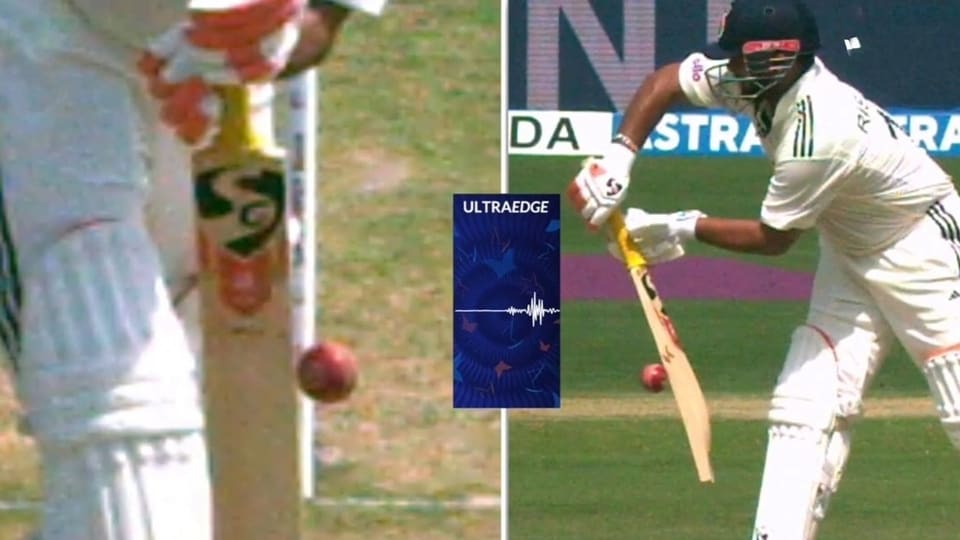
The next ball made the miss look worse. Omarzai troubled Rishabh Pant with another sharp delivery. It passed close to the bat and carried to the keeper, but Afghanistan’s appeal never became serious enough. Afsar Zazai appeared unsure and seemed to read it as thigh pad. Shahidi again did not go upstairs. UltraEdge later showed a spike with the ball beside the bat. Pant had edged it.
That was the passage Afghanistan will rue. A bowler beating the bat twice, movement with the second new ball, two set batters suddenly vulnerable, and a keeper-captain unit unable to convert doubt into action.
The Rahul miss from Day 1 now becomes the warning sign. Rahul was on 16 when Afghanistan had a caught-behind chance and did not review. He went on to make a century and helped India close the opening day at 368/3. Afghanistan coach Richard Pybus later admitted missed chances hurt, but by Day 2, the problem had grown from one incident into a pattern.

Rahul’s escape hurt Afghanistan once. Gill and Pant’s back-to-back reprieves hurt them twice in two balls.
This is where Afghanistan’s inexperience showed most clearly. They were not completely outbowled. Omarzai created enough pressure. The second new ball offered enough assistance. The scoreboard situation still gave them a route back if they could remove both set batters quickly. But DRS demands conviction from the fielding side, and Afghanistan kept losing that conviction at the exact moment they needed it.
Also Read: KL Rahul should be put for ‘Oscar’ after ‘blinder’ of an act foils Afghanistan: ‘They believed him’
Against India, that is punishment waiting to happen. Rahul had already shown how expensive one missed review could become. Gill and Pant were handed the chance to do the same. Afghanistan did not lack opportunity. They lacked the nerve and clarity to claim it. The Shubman Gill call did not hurt them as much as the KL Rahul one, as he was dismissed a couple of overs later for 126.


