


 Live Score
 Cricket Teams
 Cricket Players
Beyond the Steve Smith snub: Why Australia’s group-stage exit points to deeper structural issues
The reasons for Australia’s slide are many. Whether Cricket Australia responds with sweeping changes remains to be seen after their final group fixture vs Oman

 Prefer HTon Google


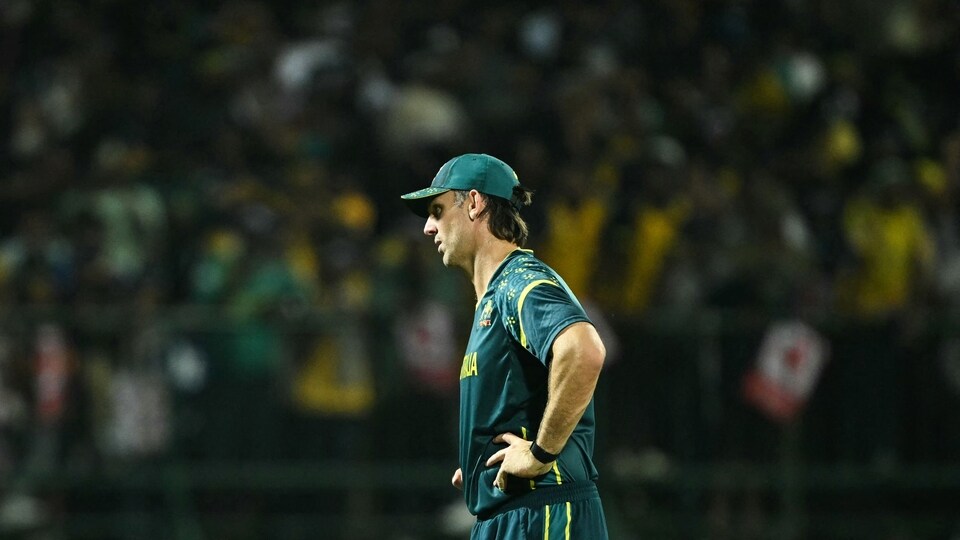
When irate fans and former greats woke up on Tuesday morning (owing to the time difference) to news of Australia’s potential elimination from the T20 World Cup after their defeat to Sri Lanka, criticism quickly followed. Much of it was directed at the selectors and team management.
Broadcast visuals and the scorecard confirmed that Steve Smith, flown to Kandy as a late injury replacement, did not feature in the XI and instead carried drinks alongside Matt Renshaw.
Experts across platforms had already questioned Smith’s non-selection in the lead-up to the tournament. But once he was in the squad, leaving the former captain out of a must-win game only deepened the confusion. Equally puzzling was the omission of Renshaw, who had looked Australia’s most composed batter in the loss to Zimbabwe with a fighting half-century.
“They’ve got it wrong,” former coach Darren Lehmann said on Fox Sports.
ALSO READ: Damien Martyn reminds Mohammad Kaif of reality after he flags mighty Aussies’ ‘sharp fall’
By Wednesday, the inevitable was confirmed. A washed-out Zimbabwe-Ireland match in Pallekele sealed Australia’s early exit, their first failure to reach the Super Eights in 17 years.
While much of the criticism has focused on selection chief George Bailey and panellists Andrew McDonald and Tony Dodemaide, particularly regarding Smith and the failure to capitalise on his Big Bash form, the issues run deeper.
Smith, notably, has not played a T20I since 2024. Yet in 2025, Australia beat West Indies, South Africa and New Zealand, all of whom progressed to the Super Eight, and secured a notable win over India at the MCG in a rain-marred series. That, however, marked the end of their winning momentum.
In the eight completed matches since that MCG victory, Australia have lost seven, including a home series defeat to India and a whitewash in Pakistan.
One key factor has been the absence of Josh Hazlewood, sidelined since November with a hamstring injury. In his last appearance, he dismantled India’s top order, dismissing Shubman Gill, Suryakumar Yadav and Tilak Varma in a devastating new-ball spell. Until his injury, Hazlewood had taken eight powerplay wickets in seven matches at an average of 15.12 and an economy rate of 6.72.
Without him, Australia have rotated through 11 different powerplay bowling options across eight matches, managing just 10 wickets at an average of 33 and an economy rate above nine. Nathan Ellis accounts for three of those wickets, all in a win against Ireland.
This fragility with the new ball is not new. Signs were visible during the 2024 edition as well, particularly in matches against Afghanistan and India. The deeper concern is Australia’s inability to build reliable backup options amid the growing injury toll on their fast-bowling stocks.
Injuries have further depleted the pace arsenal. Spencer Johnson, groomed as Mitchell Starc’s T20 successor, has struggled with back issues. Pat Cummins missed significant time due to injury. Young quicks Mahli Beardman and Callum Vidler are also sidelined. Ben Dwarshuis, the only left-arm option available, went wicketless against Zimbabwe and was dropped for the Sri Lanka clash.
If bowling instability was one problem, batting muddle compounded it.
Travis Head struck 56 against Sri Lanka but that remains his only fifty-plus score in his last 13 T20I innings. Josh Inglis, Cameron Green and Glenn Maxwell flourished on flatter decks last year but were exposed on slower, turning surfaces. Tim David, recently back from a hamstring injury, appeared undercooked in his two appearances, with ongoing debate around his No. 4 role. Cooper Connolly, meanwhile, averaged just seven in the last BBL season and has repeatedly struggled against spin.
The reasons for Australia’s slide are many. Whether Cricket Australia responds with sweeping changes remains to be seen after their final group fixture against Oman.


