


 Live Score
 Cricket Teams
 Cricket Players
No cap, no problem as India players set the tone in IPL
The T20 league, and BCCI's elaborate cricket set-up, is helping produce players who are matching the best in the world game.


On Monday night, with Ben Stokes on the field, it was Saurashtra’s Chetan Sakariya who bowled Rajasthan Royals’ final over against Punjab Kings in his debut IPL game. The left-arm seamer opened the bowling as well. He eclipsed all the big names at the Wankhede Stadium with a standout bowling performance, returning 3/31 and taking two wickets for five runs in the last over.
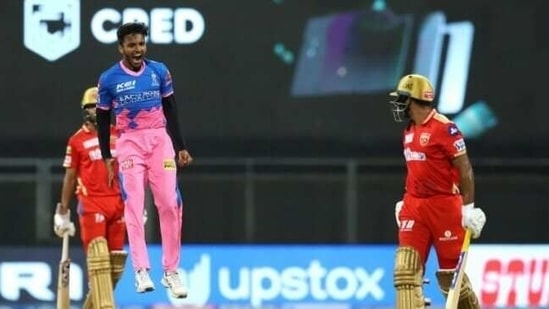
Just how good was Sakariya? On a day when the opposition scored 221 runs, his economy rate was 7.75, not to mention the flying catch he took at short square-leg to dismiss Nicholas Pooran.
Punjab Kings had spent ₹22 crore to acquire Australia pacers Jhye Richardson ( ₹14 crore) and Riley Meredith ( ₹8 crore) at the auction. But when the pressure was on in the final over of their opening game, skippern KL Rahul turned to young left-arm pacer Arshdeep Singh. He delivered by holding his own against the rampaging Sanju Samson. The 22-year-old took 3/35, sealed with the wicket of Samson off the last ball. He restricted RR to eight runs in the final over, clinching the game by four runs.
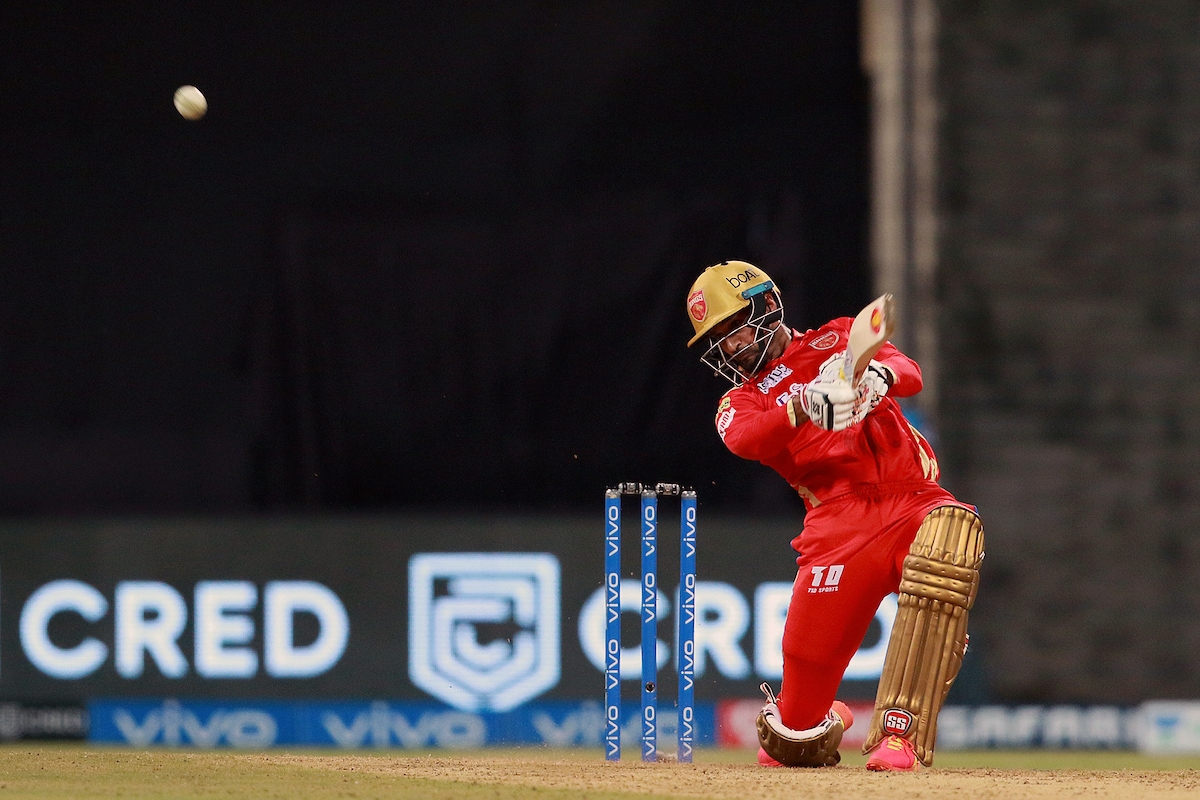
Earlier in the game, Punjab’s Deepak Hooda took the breath away with an assault on the bowlers scoring 64 off 28 balls with six sixes (strike rate 228.57).
The first round of IPL matches is done and it’s not the Virat Kohlis, Rohit Sharmas, Kieron Pollards, Stokes and David Warners who have set the stage on fire. Harshal Patel, Nitish Rana, Rahul Tripathi, Hooda, Sakariya and Arshdeep are the men who have set the tone for IPL 2021.
These uncapped Indian players have put in electric performances to put to shade the big-buck names in the tournament, proving a point that despite being the bits and pieces characters in their team, they are ready to play lead roles.
It was part of the Indian cricket board’s vision when IPL was conceptualised. The IPL revolution was already witnessed in the Australia Test series when new faces came in to show from ball one that they belonged to the international stage. Mohammed Siraj, T Natarajan, Washington Sundar, and Navdeep Saini all made their Test debuts in impressive fashion. Shardul Thakur re-ignited a one-Test old career. The common thread was how they have risen, after going through the grind in the most demanding domestic T20 league, rubbing shoulders with the best in the world.
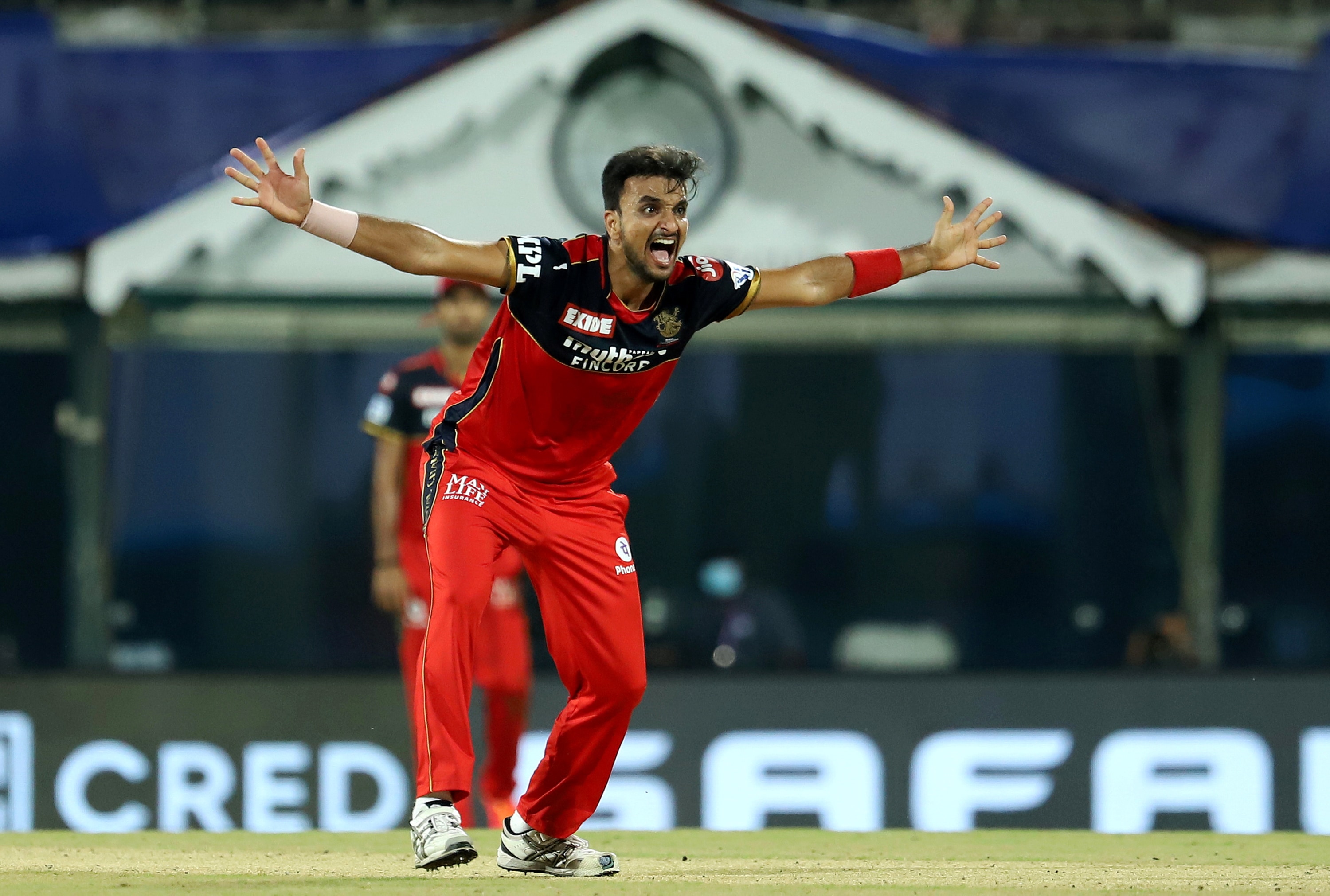
That story continues in this IPL. The control, composure and variations shown by RCB’s Harshal Patel in a stunning last over against Mumbai Indians’ powerful lower order bowled over AB de Villiers. His warm hug was an ultimate compliment for his three wickets for one run in the last six balls (MI lost four wickets, after a last-ball run-out).
These performances are all the more important for uncapped players, especially bowlers, because it is difficult for them to gain the confidence of captains unlike international bowlers.
“Most of the teams have started looking at how the bowlers are doing in the practice matches and practice, and how good they are in execution regardless of what their stature is, whether they are capped or uncapped or international. It is a good trend that people have realised that even uncapped players are good enough to take responsibilities of death bowling. I see more of that in IPL,” Patel said in a virtual press conference on Tuesday.
With confidence gained, attitude is changing. There is more ambition to prove one is up there with the top players. Patel always wanted to be the player who delivers important roles. “I wanted to become a bowler or a player who wants to take responsibility and the captain is confident enough to put me in those important situations. I look at that as a privilege. I look forward to doing this for a long time…,” he said.
Sakariya’s story is fascinating. He has risen from a humble background in Saurashtra. Five months ago, he had travelled with Royal Challengers Bangalore to the UAE as a net bowler. The opportunity to bowl in the nets to Virat Kohli and AB de Villiers is also a good test that shows where you stand.
Patel explains: “Every time you bowl you realise the margin of error is very thin against these high quality players; that allows you to become more and more precise in your execution. When you execute against these guys, it gives you a lot of confidence that if you can do it against these guys, the best among the best, you can do it in any game situation.”
DESI POWER-HITTERS
Sanju Samon and KL Rahul were the top-scorers in Punjab Kings’ tense win over Rajasthan Royals. Hooda’s innings was special because hitting in the middle overs is considered more challenging. There are no field restrictions of the Powerplay overs and the ball is comparatively soft. In the slog overs, batsmen will go all-out in attack.
Before Hooda’s heroics, Sunday’s game saw the daring and enterprise of two other domestic warriors, Rana and Tripathi, for Kolkata Knight Riders. Rana smashed 80 off 56 balls (S/R 142.85, 9x4, 4x6); Tripathi made 53 off 29 balls.
Middle overs are challenging to force the pace. The three did that in their first matches. Tripathi and Rana were up against Afghan leg-spinner Rashid Khan, the most economical bowler in IPL, and miserly India pacer, Bhuvneshwar Kumar. But they still looked to attack.
The power-hitter’s role is like that of a striker in football, the player most in demand. Till now, franchises mainly based their power-hitting strategy around players from the West Indies. Mumbai Indians have Kieron Pollard, Punjab Kings have Chris Gayle and Nicholas Pooran and Kolkata Kight Riders have Russell.
Hooda, Rana and Tripathi have shown that domestic batsmen can be relied upon to do the role. They pack a punch by aligning right strength training for power and right batting technique. Apart from cashing in on the market for cricket, the early push for local talent is paying rich dividends now.
In his column in the Sydney Morning Herald after India’s series win in January, former Australia skipper Greg Chappell had warned the cricket world what they are up against in Indian cricket: “For those of you who were surprised that India could deal with all that was thrown at them in this series, and could hold their nerve and win in such courageous fashion, I say: you better get used to it. Don’t worry about India becoming the best team—they are already capable of producing the best five teams in world cricket!”
To be world class, the key for these uncapped players is that the best of facilities, quality coaching and diet guidance is available to them. To add to the robust cricket system put in place under BCCI, franchises don’t restrict their involvement to couple of months during IPL. Mumbai Indians have a state-of-the-art facility in Mumbai, Rajasthan Royals have a facility outside of Nagpur where training is available to their players who want to use it, round the year; KKR’s assistant coach Abhishek Nayar has a camp going on for KKR players throughout the year in Thane. Other franchises are doing the same.
Chappell summed up what it takes for an Indian cricketer to reach the big stage: “Australia were comprehensively outplayed by a so-called inexperienced team. If only people knew what these young men have been through to get selected for India, they might be a lot more generous towards our players. An India wannabe gets the cricket equivalent of the Gurkha military training program – arguably the toughest physical and mental induction regime in the world.”


