


 Live Score
 Cricket Teams
 Cricket Players
Salman Agha's captaincy lambasted after T20 World Cup horror show: 'Even if you give him Wasim, Waqar, he'd still lose'
Rashid Latif criticizes Pakistan's captaincy and management after T20 World Cup exit despite victory over Sri Lanka.

 Prefer HTon Google


Former Pakistan captain Rashid Latif has launched a scathing attack on Salman Ali Agha’s captaincy and the team management after Pakistan crashed out of the T20 World Cup 2026 despite beating Sri Lanka in a must-win Super 8 game. Latif said Pakistan’s problem in the decisive contest was not batting, but poor tactical use of bowlers and a lack of game awareness during Sri Lanka’s chase.
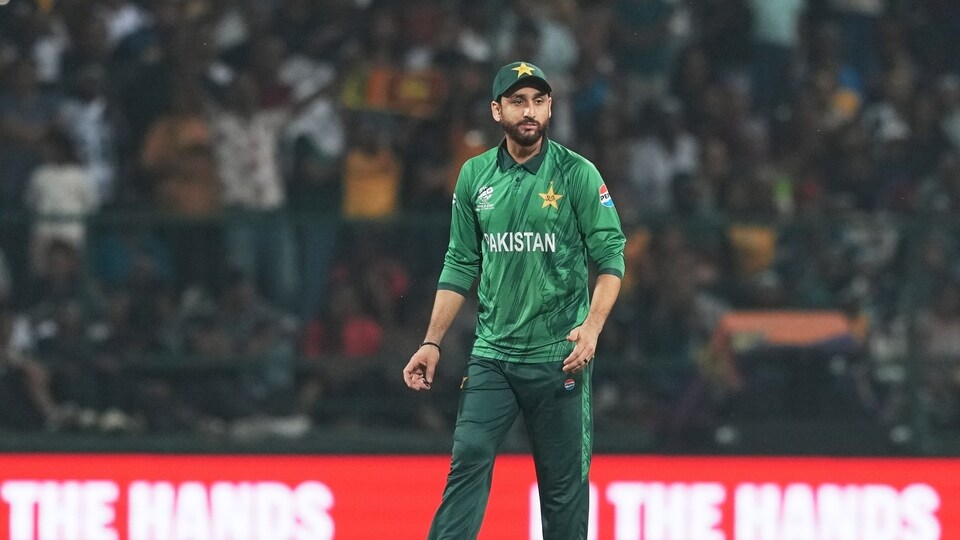
Pakistan had piled up 212 and still won the match by five runs at Pallekele on Saturday, but the result was not enough to take them through. They needed to restrict Sri Lanka below 147 to overhaul New Zealand on net run rate and reach the semi-finals, but fell short of that requirement and were eliminated.
Rashid Latif targets captaincy and team management after Pakistan exit
Speaking on Haarna Mana Hai, Rashid Latif blamed the team’s bowling management and captaincy calls, saying Pakistan had enough resources to defend better but failed to use them correctly.
“Our problem has been batting. Today, all our specialist bowlers played and still gave away more than 200 runs. If you give players like Wasim Akram, Waqar Younis, Shoaib Akhtar, Saqlain Mushtaq, Muttiah Muralitharan, and Shane Warne to this captain, he will still lose the match,” Latif said.
He then pointed to what he described as poor on-field tactical awareness, arguing that Pakistan’s bowling options were not deployed in the right phases of the innings.
“What bowlers didn’t you have? You had the likes of Abrar Ahmed, Usman Tariq, and Shadab Khan. Shadab Khan came to bowl in the 15th over. You had Mohammad Nawaz and Naseem Shah also playing. Only one was dropped, and that was Saim Ayub. The blame goes to the captain—his game awareness,” Latif said.
Latif also questioned the sequencing of overs during the chase, saying Pakistan used up a pacer too early instead of holding back resources for the closing stages.
“You bowled four overs of a pacer at the start. You should have kept Naseem Shah’s overs as backup. Abrar should have bowled earlier. He gave you a wicket in the fifth over. I can understand that the batsmen couldn’t score at the end, but you conceded more than 200 runs. The bowling let you down and put you out of the competition,” he added.
Latif, however, made it clear that he did not see Pakistan’s batting as the central issue in this match. He praised Fakhar Zaman’s 84 off 42 and highlighted Sahibzada Farhan’s form, before turning his criticism back toward the team management over repeated batting-order changes.
“Batting wasn’t an issue because these two batted brilliantly. But after that, the team management changed the batting order once again. You say, ‘Nafay, you go; Shadab, you go and bat.’ These coaches are the reason for the defeats,” Latif said.
Latif’s remarks are likely to intensify scrutiny on Pakistan’s leadership and tactical calls after an exit in a game they won, but not by enough.


