
 E-Paper



Colleges weighed down by dearth of trained student counsellors
While most top colleges, during the online orientation this year, took pains to stress that they have counsellors on call, several students said they weren’t told in detail about them or the facility.

 Prefer HTon Google


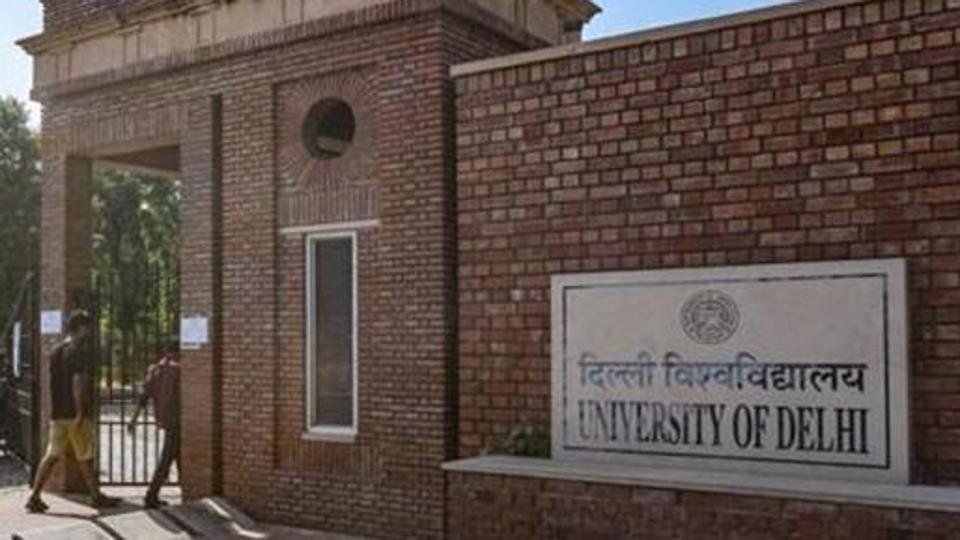
The death by suicide of a 19-year-old undergraduate student at Delhi University’s Lady Shri Ram College (LSR) has exposed the fault lines in online education and points to how psychological counselling initiatives in colleges are not reaching students effectively, stakeholders and experts said.
According to the 19-year-old girl’s parents, she was under immense academic and financial stress -- her parents were out of work and they could not afford to buy her a laptop. She had to follow her online classes on her phone. The college had also asked all second-year undergraduate students to vacate the hotel, which had added to her stress, her parents said.
While most top colleges, during the online orientation this year, took pains to stress that they have counsellors on call, several students said they weren’t told in detail about them or the facility.
Also Read | LSR teachers raise Rs 2.5 lakh to help dead student’s family
For instance, Prateek Chandera, a first-year student at Deshbandhu College, said, “During our college orientation, we were told about the yoga and meditation facilities on the campus. I can’t recall anything being said on counsellors but they did tell us that students having queries could approach certain teachers.”
Manoj Sinha, general secretary of DU Principals Association (DUPA) and principal of Aryabhatta College, said, “As administrators, we know the importance of mental health issues and consistent efforts are made in this regard. There are mentors who can be approached when students need help, at least one-third of all DU colleges have trained psychologists as counsellors.”
Through several advisories during the Covid-19 pandemic, the University Grants Commission (UGC) had asked higher educational institutes to take measures to address mental health and well-being of students including setting up helplines, regular monitoring by counsellors,mentoring by teachers, and formation of student help-groups.
The ministry of education has also set up a toll-free helpline (8445440632) to provide tele counselling to students with mental health or stress issues.
Neelima VP, 18, a first-year student pursuing BA Programme in Miranda House, said, “Student and teacher counsellors shared their contacts during the online orientation, asking us to reach out if we needed help. I think a more effective thing to do would be to organise more group counselling initiatives. In our school, we had such sessions every one or two months and it helped us.”
Parents, teachers and students have emphasised on the need for counsellors, therapists and administrators of universities and colleges to step forward and reach out to more students instead of waiting for troubled students to reach out to them.
Sanjeev Sahni, principal director of Jindal Institute of Behavioural Sciences, said, “There need to be group therapies sessions and trust building sessions on the subject to spread awareness.”
He also recommended a third-party arrangement to ensure that therapists are not on the college’s payrolls. “Trust building exercises are a crucial component since students might often be scared of approaching trained counsellors if they were employed by the college or university.”
Jahnvi Kshitij, a final-year UG student of applied psychology at Gargi College, agreed. “Students are often apprehensive to approach a college counsellor with issues related to the college. In our college, our department organises multiple mental health awareness programmes. But we don’t know who the counsellor is. In order to reach out to somebody, you have to know that the person exists,” she said.
Dr Satendra Singh, a disability rights activist and a teacher at DU’s University College of Medical Sciences, said, “Despite guidelines and directives, not enough is being done to help students with their mental health problems. Following the 2009 Aman Kachroo death-by-ragging case, the Supreme Court had made it mandatory for colleges to have counsellors. Even the 2017 Mental Healthcare Act cites that suicide reduction programmes must be planned by the government and more people should be employed for mental health services.”
Dr Rajesh Sagar, professor of psychiatry at the All India Institute of Medical Sciences (AIIMS), said, “Work has to be done on the social integration of all students and to de-stigmatise of mental health initiatives so that any barriers to seeking help are eliminated.”


