Almost 50 cases of malaria were reported from hospitals across Delhi in the week ending July 15, says the weekly report released by Delhi’s municipal corporations.
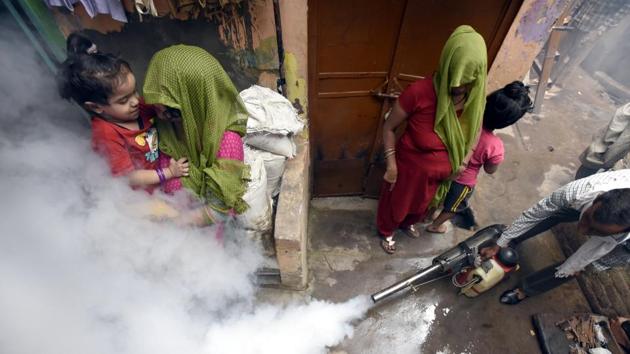
This takes the total number of malaria cases reported from the city hospitals to 225. This includes patients coming to Delhi from neighbouring states for treatment.
No deaths due to malaria have been reported so far.
Last year, 454 cases of malaria and 17 deaths related to the disease were reported from the city.
Malaria is caused by plasmodium parasite, which is transmitted by infected mosquitoes. It causes fever, chills, shivering, sweating, headache and nausea.
According to the same report, Delhi recorded 41 cases of dengue in the week, taking the total to 150. After monsoon, the number of dengue patients starts going up, usually in July.
The corporation recorded 22 cases in July this year till the 15th, as compared to 91 cases recorded in the entire month of July last year.
As for chikungunya, 22 cases were recorded during the week, taking the total number of cases to 183. Last year, when Delhi witnessed a chikungunya outbreak, only one case was recorded during the entire month of July, as compared to 14 that have already been recorded till the 15th of the month.
{{/usCountry}}As for chikungunya, 22 cases were recorded during the week, taking the total number of cases to 183. Last year, when Delhi witnessed a chikungunya outbreak, only one case was recorded during the entire month of July, as compared to 14 that have already been recorded till the 15th of the month.
{{/usCountry}}No deaths due to either dengue or chikungunya have been reported till now.
This year, several cases of all three mosquito-borne diseases were recorded much before the monsoon set in.
“The reason that cases of dengue and chikungunya were reported much before the monsoons could be the intermittent rainfall, which provides breeding grounds for mosquitoes that spread these diseases,” said a corporation health official.
The Delhi government started its awareness campaign early on in March this year. “Awareness generation is extremely important because the mosquitoes that spread dengue and chikungunya breed inside homes in clean water and it is impossible to tackle the menace without the help of the people,” said the health official.
The lieutenant governor has been conducting regular meetings with health officials from the government and the civic bodies to assess the breeding control measures and preparedness in hospitals.
Like every year, the government has allowed private hospitals and nursing homes to increase their bed strength by 10-20% to accommodate fever patients. The sale of medicines such as disprin and ibuprofen, which are blood-thinners, had been banned without prescriptions.
Stay updated with all top Cities including, Bengaluru, Delhi, Mumbai and more across India. Stay informed on the latest happenings in World News along with Delhi Election 2025 and Delhi Election Result 2025 Live, New Delhi Election Result Live, Kalkaji Election Result Live at Hindustan Times.
Stay updated with all top Cities including, Bengaluru, Delhi, Mumbai and more across India. Stay informed on the latest happenings in World News along with Delhi Election 2025 and Delhi Election Result 2025 Live, New Delhi Election Result Live, Kalkaji Election Result Live at Hindustan Times.