
 E-Paper



Bihar's demographic dividend: From burden to advantage
Bihar must make better use of its demographic dividend and underemployed labour force

 Prefer HTon Google


Bihar is India’s poorest large-sized state as well as the country’s youngest state in terms of population composition. A data journalism series published in these pages on the quantity, educational quality and caste inequality of Bihar’s labour force — the share of population either working or looking for a job — offers crucial insights on the labour market challenges facing Bihar. While the state is a laggard in terms of share of overall working-age population (15-64 year-old), it has the highest share of what can be described as young workers in the 15-29 age-group. Almost all of the anecdotal evidence suggests that an overwhelming share of the younger part of this labour force either wants a government job or migrates outside the state for mostly better-paying blue-collar work.
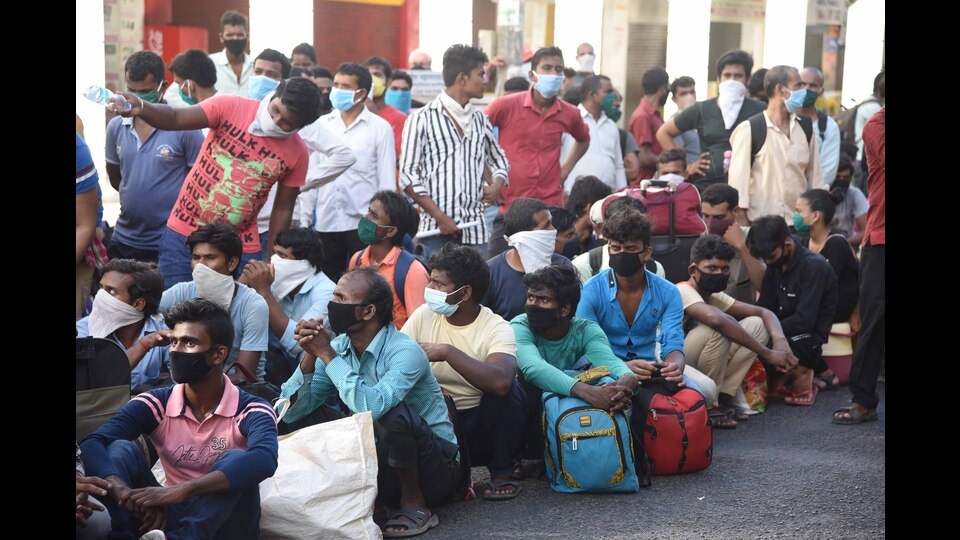
Migration and the endless wait for an elusive government job has robbed Bihar of its most important comparative advantage — an abundance of cheap unskilled workers. If employed well — this would take a concerted intervention from both the State and markets — Bihar could do much better in improving income generation in not just things such as manufacturing but also agricultural production. Doing this, however, would require a recalibration of educational priorities in the state. Bihar’s labour force is poorly educated compared with the national average. It should make a stronger pivot towards vocational education (without compromising on higher education facilities) so that students do not limit their options to the elusive government job. This could hold more promise if implemented well for women, given the huge unutilised potential in labour intensive manufacturing sectors such as garments manufacturing.
For a state that was the epicentre for Mandal politics and is known for a fusion of caste mobilisation on the promise of representation for almost four decades now, it is revealing that almost all social groups are over-represented in agricultural employment and under-represented in manufacturing and private services. Primacy of politics around reservations, even if well-intentioned or even radical in a state with a history of entrenched feudal oppression, has failed to unlock upward economic mobility for the so-called subaltern. Bihar, given its demographic dividend, is crucial for India’s future growth. Exploiting this potential will require an honest alignment of politics to the labour market realities, not mere poll promises.


