
 E-Paper



BJP’s stance will be key in Gyanvapi row
Whether it decides to stay passive or become an active supporter of what some elements in its coalition see as a Hindu revival moment will shape Indian politics

 Prefer HTon Google


The rise of the Bharatiya Janata Party (BJP) in the tumultuous 80s and 90s owed its fuel to the Ramjanmabhoomi movement, specifically LK Advani’s controversial rath yatra that whipped up communal emotion, gave the party a grassroots cadre base and provided an ideological ballast to weather the churn of the Mandal era.
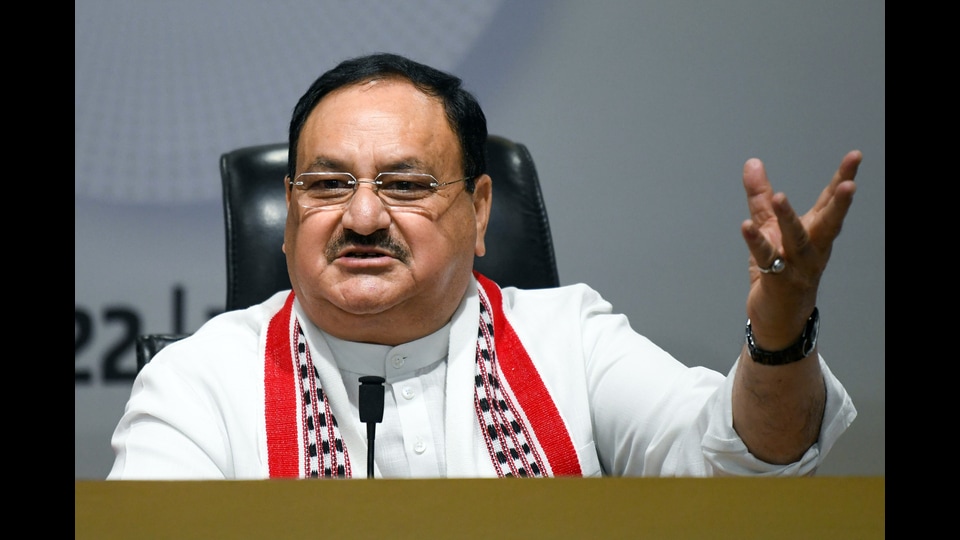
Recent efforts by some Hindu groups to “reclaim” temple land that they believe was usurped by Islamic rulers in Varanasi and Mathura – by petitioning courts to either gain worshipping rights in mosque complexes, as is the case in the Gyanvapi Masjid in Varanasi, or removal of the mosque and transferring of the land to Hindu parties, as is the ask in Mathura – may resemble the template set by the legal proceedings of the Ayodhya dispute but lack a crucial element: Political mobilisation and widespread movement on the ground. Comments by BJP chief JP Nadda on Monday underlined this difference when he appeared to distance the party from the ongoing legal disputes and said that BJP had decided to respect the court’s order in letter and spirit. He further said that the party had not passed any resolution in this matter, hinting that it will refrain from political mobilisation on the ground, at least for the time being.
It doesn’t need to. The BJP is the national political hegemon today, and no longer requires the legitimacy and recognition that the Ram Janmabhoomi movement brought in the heartland. Letting the courts decide this sensitive matter, for now, is the more politically prudent course. Yet, this is unlikely to be the last word on the issue. Some sections of the party are openly supportive of the Kashi-Mathura movements – Uttar Pradesh chief minister Yogi Adityanath, for example, has talked about Hindu awakening in these cities. Moreover, it is likely that the central government will have to decide its stand on the 1991 Places of Worship Act, which is at the heart of the legal dispute. Whether it decides to stay passive or become an active supporter of what some elements in its coalition see as a Hindu revival moment will shape Indian politics.


