
 E-Paper



Bringing the cheetah back is a bold idea
There are several reasons why India is keen to reintroduce cheetahs into the wild.

 Prefer HTon Google


In a bold experiment, eight African Cheetahs will be translocated to Madhya Pradesh’s Kuno National Park (KNP) from Namibia on September 17. There is excitement and apprehension about the project, which the Supreme Court green-lighted in 2020. The species was declared extinct in India after the last cheetah was killed in the 1950s.
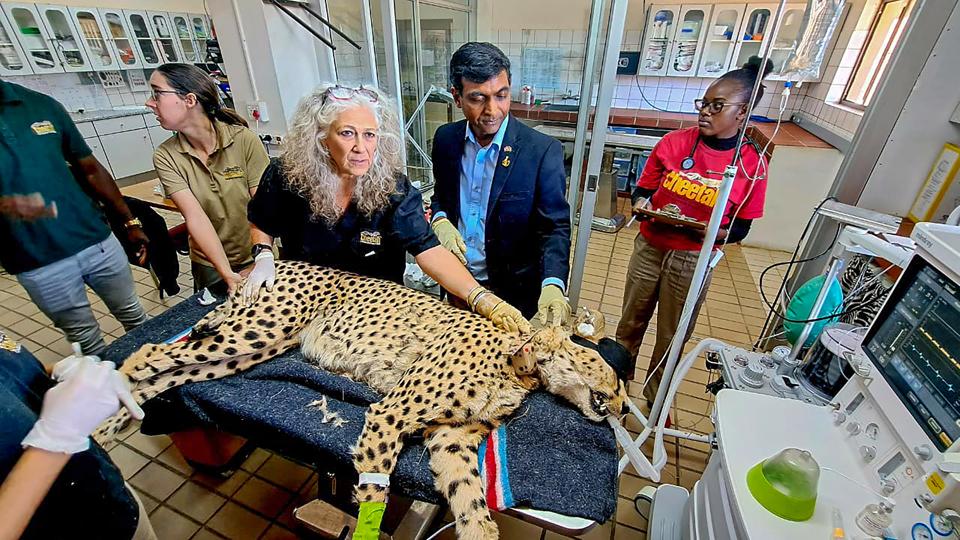
There are several reasons why India is keen to reintroduce cheetahs into the wild. One, they are top predators and would benefit biodiversity and ecosystem services, including preserving grasslands. Second, it is the only mammal species to go extinct in Independent India, and their presence in Kuno could boost local tourism, with potential benefits for local communities. Three, it will be a mark of national pride in the 75th year of Independence. The goal is also to establish a viable cheetah population within its historical range. According to assessments, KNP can support 20 cheetahs, and with restoration, protection and management, this number can go up to 40. For now, cheetahs will be kept in an enclosure.
Several conservationists, however, feel the project is risky because the park is not ideal for cheetahs, the prey base is weak, and once released in the wild, the cheetahs may not be able to compete for food with leopards and hyenas. But the government and conservationists feel that African Cheetahs will adapt to KNP due to the similarity of habitat and that enough safeguards — enhanced protection, prey and predator base assessment, grassland and water management, and personnel training — are in place to ensure the smallest of the big cats find their feet in Kuno. India has experience with such management, and with strict monitoring and requisite safeguards, the safety and longevity of one of the world’s most charismatic species can be ensured.


