
 E-Paper



Char dham pilgrimage needs to be better regulated
It is time the yatra is better regulated and mass tourism actively discouraged so that the precarious environment is not further harmed.

 Prefer HTon Google


Last week, the Uttarakhand government banned VIP darshan at the char dhams (four shrines at Yamunotri, Gangotri, Kedarnath and Badrinath) in the Himalayas in the wake of a huge influx of pilgrims. In the first six days since the pilgrimage season – which lasts till late October-early November – began, 3.3 million people have visited these shrines. State authorities have said that over 2.6 million people have so far registered to undertake the arduous journey. This is double the number of registrations at this time last year.
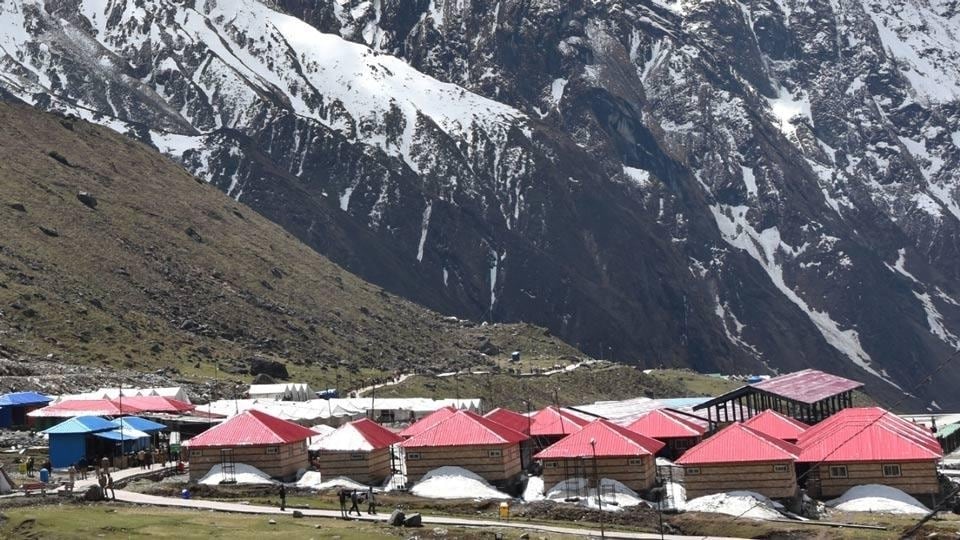
These mountain shrines, located in river valleys at altitudes above 10,000 feet, are not equipped to deal with such a large number of visitors. The 2013 floods that claimed about 6,000 lives and wreaked havoc in the Mandakini valley in Kedarnath revealed the dangers of overcrowding in this ecologically fragile region. The rise in religiosity in recent times and a great push from the state to promote religious tourism has created a situation that is becoming unmanageable and disastrous to the local environment. These dhams are located near the sources of the Yamuna and the Ganga, which sustain life in the plains of northern India. The heavy footfall and the waste produced as a result have a direct impact on the health of these rivers. The promotion of religious tourism has resulted in the demand for wider roads, luxurious board and lodging facilities, and a steep rise in vehicles. The climate crisis has been disastrous for the Himalayas, as seen in the spike in landslides, flash floods and forest fires. Excessive human intervention will accentuate the crisis.
The char dhams were meant to be small padavs (stations), catering to a tiny stream of pilgrims who brave the inclement weather and risk the trek up the rugged mountain, not picnic/selfie spots. While the pilgrim traffic may aid the local economy in the short run, these can’t be scaled up to match religious centres such as Haridwar, Varanasi, or Rameswaram. It is time the yatra is better regulated and mass tourism actively discouraged so that the precarious environment is not further harmed.


