
 E-Paper



Declogging the country’s courts
The Union government aims to reduce unnecessary litigation with new guidelines, promoting responsible governance, easing court burdens and making business easy.

 Prefer HTon Google


The Union government’s move to streamline its litigation practices and prevent unnecessary legal battles marks a welcome step towards responsible governance. The latest set of guidelines issued by the Union law ministry, under the title “Directive for the Efficient and Effective Management of Litigation by Government of India”, aims to overhaul the manner in which the government, the largest litigant in the country, handles its cases before courts and tribunals. This is a much-needed corrective, given the alarming pendency of over 46.6 million cases across all levels of the judiciary.
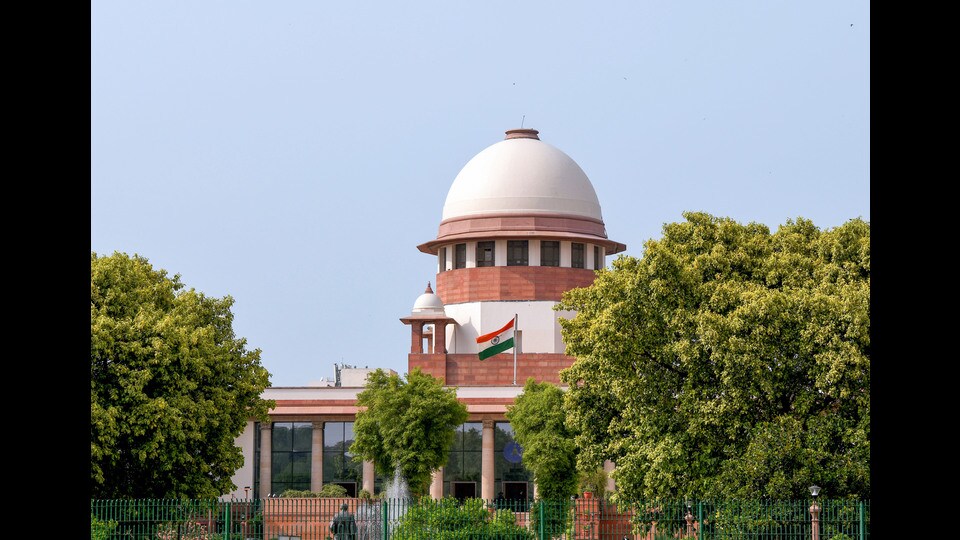
The document lays out a comprehensive blueprint for ministries and departments to curb avoidable litigation, avoid mechanical filing of appeals such as special leave petitions in the Supreme Court, and foster better inter-departmental coordination. Notably, it stresses measures such as root-cause analysis, rationalisation of appeals, case classification based on sensitivity, use of alternate dispute resolution (ADR), improved case tracking through Legal Information Management and Briefing System (LIMBS), and performance-based review of panel counsel. These are thoughtful and pragmatic interventions that, if implemented in letter and spirit, could significantly reduce the burden on India’s courts. Even better, it could enhance the ease of doing business in India.
However, good intentions have not always translated into action. Over the years, the Supreme Court and several high courts have repeatedly pulled up government departments for pursuing frivolous, repetitive, or unnecessary litigation — a practice that has not only clogged the courts but also drained public resources. The failure to adopt a uniform litigation policy despite repeated proposals is a telling example. So, while the current guidelines are laudable, the real challenge lies in compliance. Ensuring that ministries adhere to the norms, panel lawyers are held accountable, and unnecessary appeals are weeded out will require sustained political will and bureaucratic discipline. Monitoring mechanisms must be put in place to ensure regular audits and accountability for litigation decisions. Periodic reports on adherence and success metrics could help build transparency.
If genuinely enforced, the directive could pave the way for a more responsible litigation culture, allow the judiciary to focus on matters of constitutional and public importance, and increase India’s attractiveness as an investment destination. Reducing government-induced litigation burden is not just an administrative necessity but also a test of the commitment to efficient governance and justice.


