
 E-Paper



Delhi: A united approach is key
To help Delhi become a truly world class city and ensure a minimum quality of life to all its citizens, it is imperative that both prongs of the Capital’s government work together

 Prefer HTon Google


Vinai Kumar Saxena was sworn in as the 22nd lieutenant governor (L-G) of Delhi earlier this week. He will take charge of the administration at a critical time for the residents of Delhi, which is battling extreme swings in weather induced by the climate crisis, creaky physical infrastructure and an annual pollution menace made worse by human factors. The city’s social fabric has been repeatedly disturbed since the 2020 riots, and the authorities have been found wanting in resolving systemic issues plaguing the city.
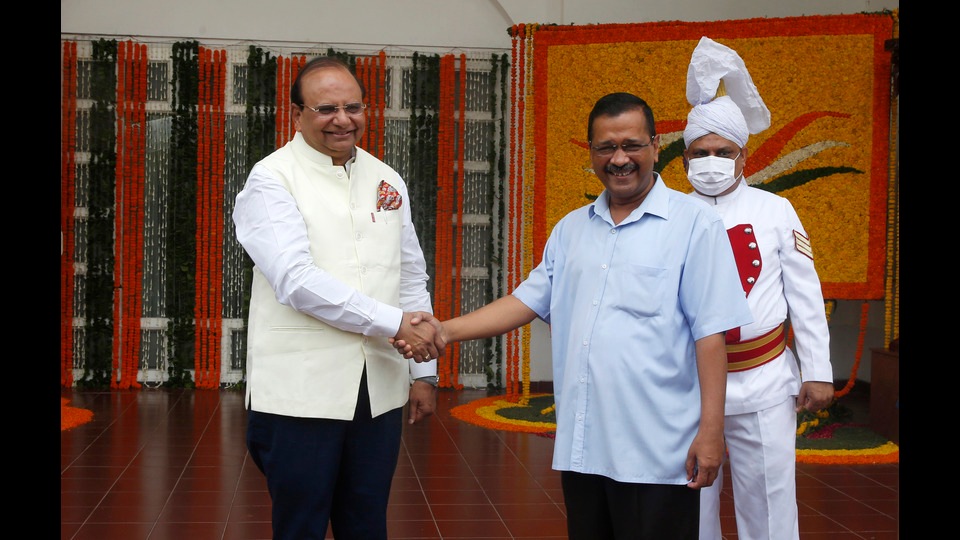
Owing to Delhi’s complex administrative architecture as a Union Territory with an elected assembly – the L-G has direct control over land, and law and order, which are outside the purview of the elected administration – Mr Saxena will have considerable influence on the running of the city. History is witness that this arrangement only works when both entities – which are controlled by rival political entities at the moment – work in tandem. In this respect, the warm welcome extended by chief minister (CM) Arvind Kejriwal to the new L-G and the scenes of bonhomie at the oath-taking ceremony augur well.
Every L-G confronts a different set of challenges. Mr Saxena will grapple with rising tensions between the Aam Aadmi Party (AAP) government and the Bharatiya Janata Party, which controls the Centre, over delayed municipal elections and the running of the unified municipal body. He will also have to fill hundreds of vacancies in the city-state’s bureaucracy in consultation with the elected government. Mr Saxena has promised to act as a guardian for the Capital and work on improving its air. The residents of Delhi will remember him gratefully if he can help craft a stronger action plan to deal with the annual bouts of toxic winter pollution, and bring the states concerned on board.
Mr Saxena’s tenure will also be marked by the Government of National Capital Territory of Delhi (Amendment) Act, 2021, which gives primacy to the L-G over the elected government in the city and came into force last year. Under the law, the term “government” as referred to in any law passed by the Delhi assembly means the L-G and his opinion is mandatory for executing any decision of a minister or the council of ministers. While this remains under challenge in the Supreme Court, both Raj Bhavan and the CM’s office will have to adopt a consultative, not obstructionist, attitude to ensure that political expediency doesn’t mar schemes and projects that can improve the lives of Delhi’s citizens.
Over the past decade, Delhi has seen both confrontational and cooperative periods between the L-G and city government, with Mr Saxena’s predecessor, Anil Baijal, seen as more accommodative in his decision-making than previous L-G Najeeb Jung. To help Delhi become a truly world class city and ensure a minimum quality of life to all its citizens, it is imperative that both prongs of the Capital’s government work together.


