
 E-Paper



EU gets serious about social media’s dangers
At the outset, the EU plan looks more pragmatic, especially if the experiences of other regions are taken into account

 Prefer HTon Google


The European Commission plans to keep children under 13 off social media across the European Union (EU). Ursula von der Leyen, the Commission’s president, set out tiers on Wednesday: no social media below 13, parent-supervised “mini accounts” with limited features until 15, and a legal duty of safe design for platforms serving users aged 15 to 18. The tiers rightly treat a 14-year-old and a 17-year-old as needing different protections.
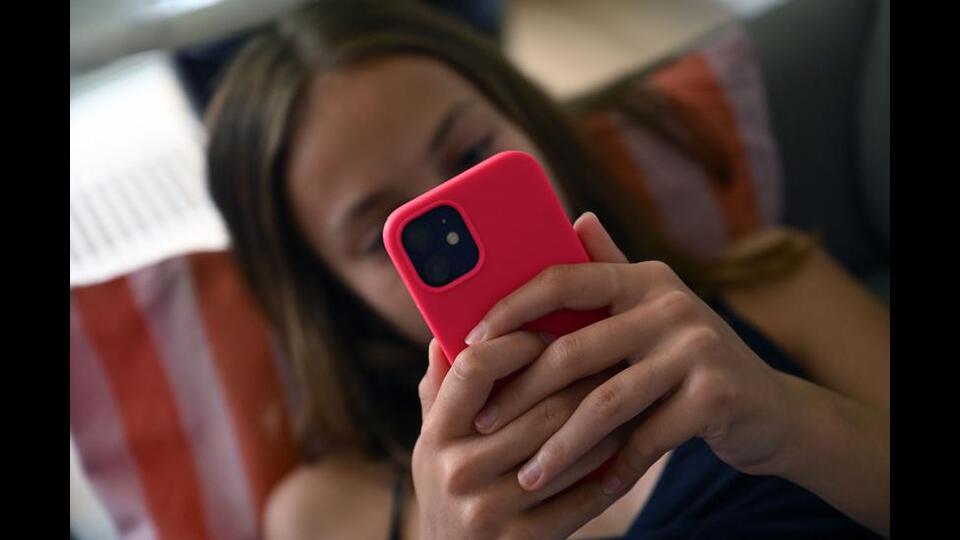
Von der Leyen also said platforms would have to prove their products are safe, which matters more than the age limits. At the outset, the EU plan looks more pragmatic, especially if the experiences of other regions are taken into account. Australia, the first major economy to embrace such curbs, barred under-16s from social media altogether in December 2025. Its eSafety regulator has since found that a substantial proportion of them still held accounts. Those who slip through, and older teenagers who are let in, continue to interact with the addictive features long held as a particular problem for young minds. The Commission crucially plans not just to target that design but also plans fines of up to 6% of turnover.
Brussels still has to show it can enforce the rules. Most platforms already claim a minimum age close to 13, so the rule will count only if the Commission’s age-verification app, meant to confirm age without revealing identity, works at scale. Member States and the European Parliament must also agree, which could take years.
Similar conversations have been had in India where a blanket ban for children is a divisive topic. Implementation will indeed be a challenge. An approach that compels product design changes, backed by the threat of fines that truly hurt, is a promising alternative.


