
 E-Paper



EVMs win the day in the court
SC’s unambiguous order overruling a return to paper ballots should conclude the debate on the use of machines in elections

 Prefer HTon Google


The Supreme Court’s order last week should set at rest the doubts raised about the sanctity of Electronic Voting Machines (EVMs) and thereby, the integrity of the election process itself. The two-judge bench, ruling on a clutch of petitions that demanded 100% cross-verification of votes cast on EVMs with the Voter Verified Paper Audit Trails (VVPATs) or a return to the ballot paper system, said the machines are “simple, secure and user-friendly” and that a return to paper ballots would be tantamount to undoing many years of electoral reforms: The plea for returning to the ballot paper system is “foible and unsound” as well as “regressive”, and the fears regarding tampering or data mismatches in the electoral process were “unfounded”, the judges said.
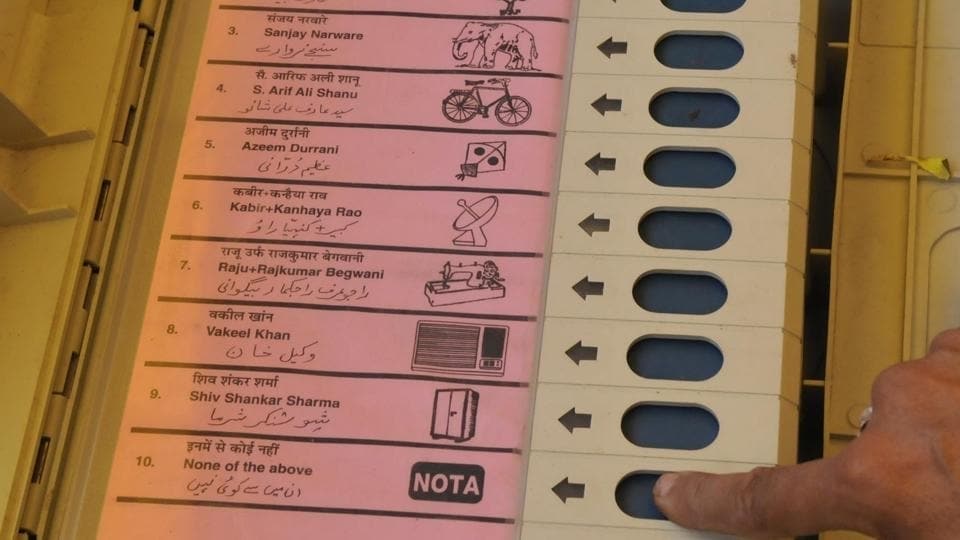
Indian elections have been a work in progress since the first general elections in 1952. The Election Commission of India (ECI) has shepherded this mammoth process involving hundreds of millions of voters in a remarkable fashion. The deepening of a democratic culture in the country, technology, tweaks in ECI governance, tightening of the laws, and even judicial directives, have, over the decades, contributed to the strengthening of the process. Among the many reforms, the introduction of EVMs marked a major departure in the conduct of elections: In the era of paper ballots, the counting of votes was a long-drawn-out process that often led to delays in the announcement of results. Drawing parallels with the experience of elections in liberal democracies in the West does not work because of the scale of the exercise and size of the electorates – for instance, the ECI has set up over a million booths across the country for nearly a billion voters. To suggest a reversal of this progress is, to put it mildly, foolhardy. Besides, the Court has given directives to address concerns regarding the security and functioning of the machines, of course, with caveats. That should address the apprehensions of candidates regarding the sanctity of the election process.
Though the Court has unambiguously settled the matter in favour of EVMs, there is a need to reflect on the rising scepticism regarding the integrity of the election process. What took the form of a lack of faith in technology in the court is, in fact, a reflection of rising distrust, presumably among a small but expanding minority in society, in institutions, including ECI. The onus is on the venerable ECI to reaffirm its institutional independence and uphold its stellar legacy as the custodian of the Indian elections. The ongoing elections provide it with enough opportunity.


