
 E-Paper



Expanding the right to privacy
Humans forget, but the internet does not forget and does not let humans forget India, said the Supreme Court this week. India must bring a law on the right to be forgotten

 Prefer HTon Google


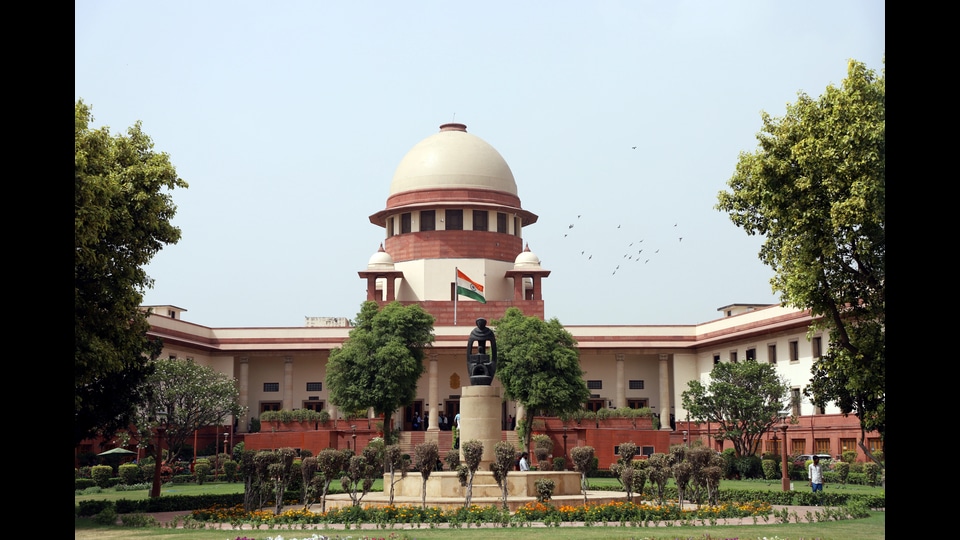
India’s Supreme Court this week gave its first order enforcing an Indian citizen’s right to be forgotten when it directed the court registry to begin the process on how the details of a married couple, locked in litigation, can be removed from online search engines. The right was laid down by the top court in its landmark Puttaswamy judgment of 2017, when it held privacy as a fundamental right for Indian citizens. Justice Sanjay Kishan Kaul, who was part of the nine-judge bench that delivered the order, said such a right was crucial in today’s age, when information is widely available. “The impact of the digital age results in information on the internet being permanent. Humans forget, but the internet does not forget and does not let humans forget,” he wrote in a concurrent judgment.
The concept first reached global prominence when the European Court of Justice ruled in connection with a case in Spain, ordering Google to remove personal details as sought by a Spanish citizen. The right to privacy of the person — defined as the data subject — trumped the economic interest of the search service provider, the court held. This was later backed by a statute when the European Union (EU) enacted the General Data Protection Regulation (GDPR) — Article 17 codified the rights of EU citizens to ask an online search engine to remove references to their information under certain conditions. These conditions, however, outlined some exemptions. For instance, data of a journalistic nature involving a public figure is exempted from the GDPR’s right to erasure rule.
Naturally, the issue is nuanced as the balance between freedom of expression and the right to privacy is delicate. One yardstick is public interest. In the case on which the SC ruled this week, the information had no such implication. Instead, it was a source of harm for the couple, which sought the removal of details of their identities, their legal battle and references to a disease that was at the heart of their dispute. Moreover, enforcement of such a right is also a challenge for both, someone who requests a takedown, and a company that has to carry it out. Such issues are why India needs to quickly codify the right in law and lay down guidelines. Because the GDPR does so, the world’s largest search engine, Google, offers EU citizens a personal information removal request form. For Indians, it is not practical to knock on the court’s doors every time they want to exercise the same right, which they have been entitled to for more than five years now.


