
 E-Paper



Fight the rising tide of hunger
The weaponisation of hunger by warring parties through the blocking of international aid and relief operations has added another dimension.

 Prefer HTon Google


With food insecurity worsening, the Sustainable Development Goal of zero-hunger by 2030 seems all but abandoned. The Food Security Information Network (FSIN)—an alliance between the United Nations (UN) and several development groups—reports that 282 million people around the world faced acute hunger in 2023, largely because of conflict and the climate crisis. That this was the fifth consecutive year of a rise in the number of people facing acute hunger is evidence of a deeply skewed food availability and access dynamic, given large surpluses in some economies and near-absolute deprivation in some regions.
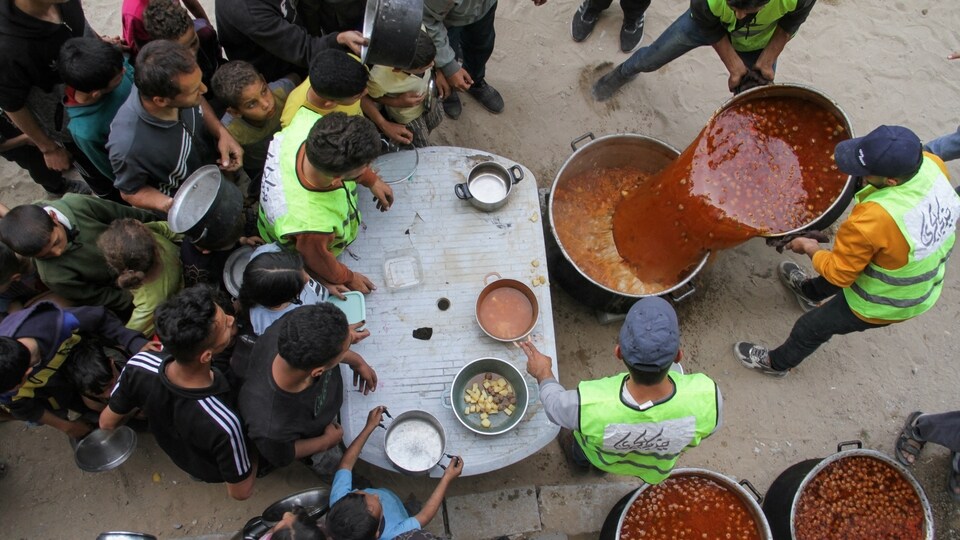
Conflict has played a major role in the upswing of hunger since 2016-17. The FSIN report makes particular mention of the conflict in Gaza and Sudan, where the food crisis is raging in step with violence. Conflict becomes a multipronged attack on food security by pulling down food production in impacted areas, disrupting food supply chains with the destruction of key storage infrastructure, extreme escalations in logistics cost, and the risk to life and limb in delivery, and fuelling desperation which, in turn, stokes further conflict. And now, the weaponisation of hunger by warring parties through the blocking of international aid and relief operations, as was seen in Gaza and Ukraine, has added another dimension.
Against this backdrop, and the portents of the climate crisis compounding, nations need to act in a concerted manner. First, warring parties must ensure unimpeded food supply to conflict-affected regions (Israel can’t be allowed to “punish” Gaza through a man-made famine). Second, national climate-coping strategies must make climate-resilient agriculture a leading part of adaptation efforts, with a focus on the cultivation of hardy crops, weaning away from water-intensive grains, bio-fortification to lessen nutritional insecurity, and closing the production gap, among others. To address the skewed dynamic of surplus and wastage in some economies and deprivation in others, tariff and non-tariff barriers for agri trade must be lowered for easier flow of food to destinations that need it. Only then can the zero-hunger aim be revived.


