
 E-Paper



In Afghanistan, the security challenge
At least 100 people reportedly died in the latest attack by the IS-affiliate, which has emerged the leading security challenge for the Taliban, which itself is perceived as a threat to regional security

 Prefer HTon Google


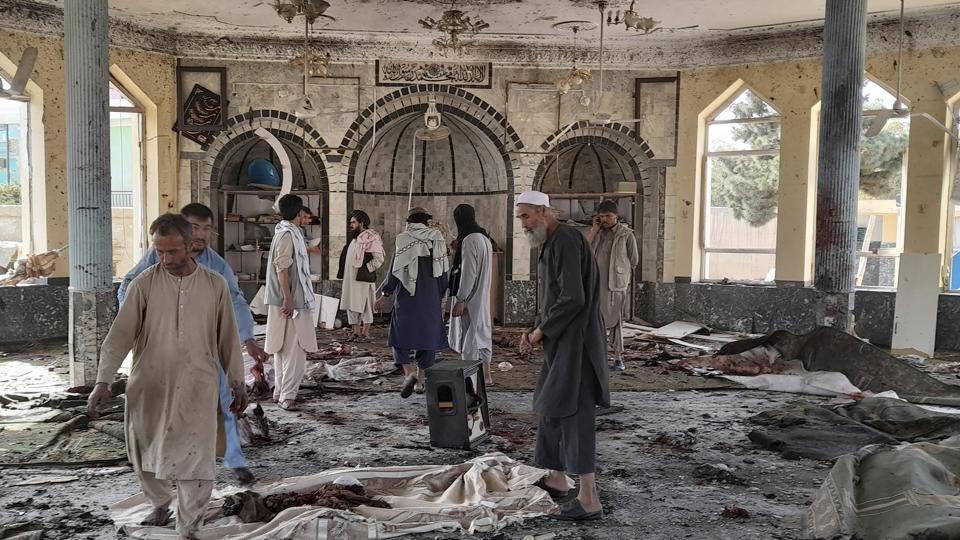
The deadly suicide bombing by the Islamic State (IS)-Khorasan at a Shia mosque at Kunduz last week has highlighted the deteriorating security situation across Afghanistan in the wake of the Taliban takeover nearly two months ago. At least 100 people reportedly died in the latest attack by the IS-affiliate, which has emerged the leading security challenge for the Taliban, which itself is perceived as a threat to regional security. The Taliban doesn’t have a firm grip on power across Afghanistan and any further deterioration of the situation will only lead to the emergence of more challengers to the group. The security situation has taken a turn for the worse at a time when Afghanistan is grappling with a humanitarian crisis, including shortages of food, medicines and essential goods.
The challenge for the world community is ensuring that humanitarian aid can be delivered directly to the Afghans, while keeping up the pressure on the Taliban to deliver on commitments regarding counterterrorism and an inclusive government. So far, the Taliban leadership has given no indication whatsoever that it will make good on these commitments, and the world community cannot afford any compromises. Even United Nations secretary-general Antonio Guterres has criticised the Taliban for its broken promises to Afghan women and children while urging the international community to donate more money to stave off the economic collapse of Afghanistan. An Afghanistan that continues to be home to thousands of fighters from al-Qaeda, Lashkar-e-Taiba and Islamic State will continue to be a reason for sleepless nights for policymakers across the region.


