
 E-Paper



Nepal politics is back to the centre
The revival of the Maoist-NC coalition is good news for both Nepali democracy and India

 Prefer HTon Google


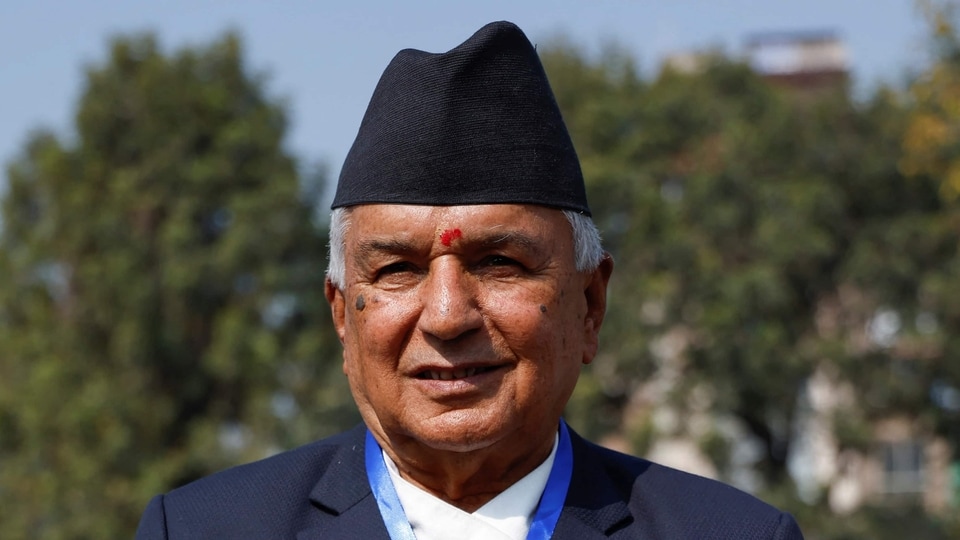
The election of veteran Nepali Congress (NC) politician Ram Chandra Poudel as the young Republic’s third president is good news for Nepal as well as for the wider democratic world. Mr Poudel’s election was enabled by Prime Minister Pushpa Kamal Dahal, more popularly known by his revolutionary name Prachanda, returning to his pre-poll coalition with the NC and walking away from a brief dalliance with his friend-turned-foe-turned-friend-turned-foe, KP Oli of the Communist Party of Nepal (Unified-Marxist Leninist) or the UML. In the process, Nepali politics has returned to the centre from the radical Left. It has opened up the possibility of a more stable governing arrangement for the next five years. And Kathmandu has turned away from the China tilt of the past three months to a more balanced foreign policy that takes into account the importance of its relationship with both New Delhi and Washington.
Here is what has happened in the volatile landscape of Nepali politics since November. The Sher Bahadur Deuba-led NC, Prachanda-led Maoists, and Madhav Kumar Nepal-led CPN (Unified-Socialist), a breakaway faction of the UML, fought elections together. While Mr Deuba had led the coalition into the polls, his understanding with Mr Prachanda was that the latter would become the PM after the elections. The results saw the NC emerge as the single largest formation, the UML a close second, and Maoists a distant third. Shifting goalposts, Mr Deuba suddenly wanted to be PM again and asked Mr Prachanda to wait. But the Maoist supremo felt he had waited long enough, and went ahead and stitched an alliance with Mr Oli and a clutch of smaller parties. While driven by domestic ambitions, China supported, and even facilitated, this broad communist alliance. The NC not only lost its stake in the central government and provincial governments but also stared at the prospect of losing the presidency — a position Mr Prachanda had promised Mr Oli’s party. But soon after the new government was formed, Mr Oli began exercising excessive control over Mr Prachanda, much to the latter’s discomfort. China, too, overreached, pressuring Nepal to sign on to the Global Security Initiative, inaccurately bracketing the Pokhara international project as a Belt and Road Initiative project, and pushing its interests.
The door for another shift opened when the NC decided to vote in favour of Mr Prachanda during the vote of confidence in January. The Maoists and the NC began talking again. Mr Prachanda realised he felt more comfortable working with Mr Deuba and having an NC leader as president would prevent Mr Oli from taking over top constitutional positions; Mr Deuba got a reality check and realised that reviving his alliance with Maoists was the most effective route to power. The three pre-poll partners, along with smaller Madhesi outfits, came together again. Mr Prachanda, Mr Nepal and Mr Deuba will now take turns leading the government, and Mr Oli is left out in the opposition, as the electoral mandate dictated. Delhi played its cards well, engaging with the communist government but slowly nudging Maoists and the NC to come together. Washington desired the same outcome. But to stay credible and keep China and the ultra-nationalist Mr Oli out, the new democratic arrangement must deliver stability and focus on Nepal’s governance challenges.


