
 E-Paper



Rising anxiety about falling fertility rate
Rising life expectancy and below-replacement fertility could lead to a multi-tiered crisis. There is a fear that the country could grow old before it gets rich

 Prefer HTon Google


Rising anxiety about falling fertility rate
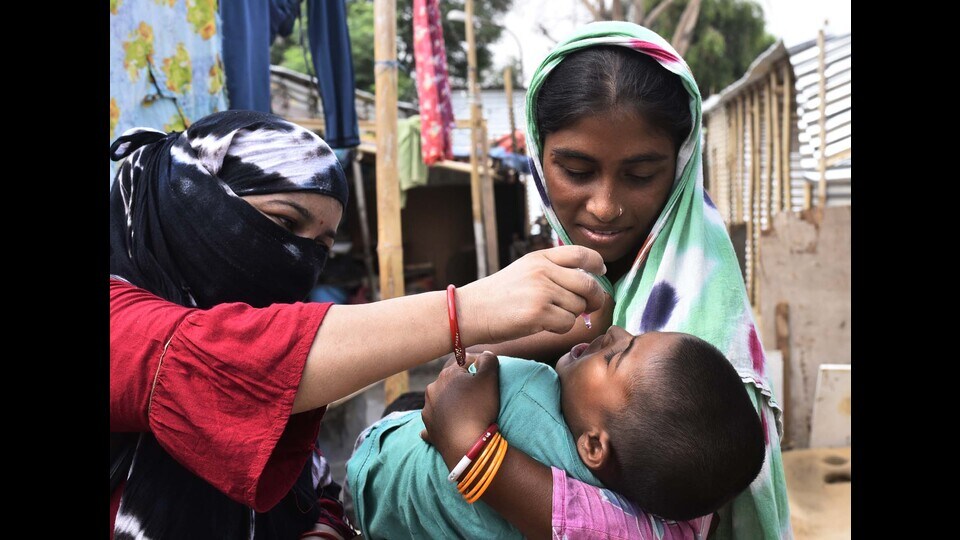
The fertility rate in rural parts of the country has fallen to 2.1 children per woman — the replacement rate, which leads to the population within a geography stabilising — from 2.2 in 2020-2022. This brings India’s rural fertility rate in line with the larger global fertility trend; urban fertility stands at 1.5 and the overall fertility rate for the country, at 1.9. The country’s falling fertility, celebrated as a sign of the success of family planning policies, improving socio-economic conditions of the people and rising educational attainment among women, is now at the centre of a debate: If the trend of decline continues, could it fuel a demographic and economic crisis in the future?
Rising life expectancy and below-replacement fertility, many experts fear, could lead to a multi-tiered crisis, from an ageing population that has not too many caregivers to a social security crisis with not enough contributors and too many dependents. Indeed, there is a fear that the country could grow old before it gets rich. There are other layers to this debate too, predicated on demographic anxieties arising from the varying fertility rates between regions, despite the general trend of decline.
There are two things to keep in mind here, against the backdrop of the inevitable politicisation of the issue by ideologies from across the political spectrum. One, coercive policies to reset demographic composition can compound the problem — the experience of many developed and developing nations that have gone down this road should warn political dispensations against pushing this line. Two, the burden of expectations on demographic sustainability must not constrain reproductive choices of couples. Rather a more fruitful way of ensuring that sustainable populations is to grow the economic pie enough to ensure economic and social security.


