
 E-Paper



The Islamic State strikes terror
The Kabul attack reflects the Islamic State-Khorasan (IS-K) abilities, but also poses a challenge for the Taliban

 Prefer HTon Google


The brutal suicide attack outside the airport in Kabul that killed nearly 100 people and injured many more on Thursday has dispelled the impression that the Taliban was firmly in control of Afghanistan. It has also sparked renewed concerns about the war-torn country again becoming a staging ground for jihadi elements of various hues. The attack, for which the Islamic State-Khorasan (IS-K) has claimed responsibility, was not entirely unexpected. It came after repeated warnings over the past few days from countries such as the United States (US) and the United Kingdom about a possible terrorist assault on the airport by the very same group.
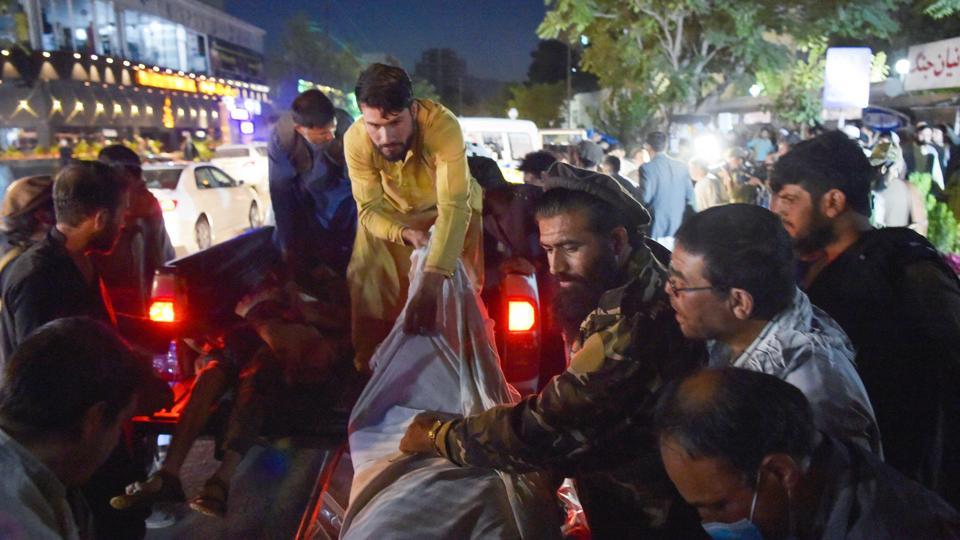
With one devastating attack, the IS-K has signalled that it is still in the game in Afghanistan and retains the capability to strike, almost at will, in urban centres. Soon after the Taliban’s triumphant march into Kabul on August 15 was celebrated by al-Qaeda and sundry terrorist groups around the world, the IS had dismissed the victory as a takeover coordinated by the US in line with the controversial peace deal that was signed by the Taliban and the Donald Trump administration in February 2020. The IS’s newsletter even derisively referred to the Taliban as “Mullah Bradley” or an American proxy.
Also Read | Afghanistan’s anarchic jihadist landscape
Western powers had wrongly conflated the IS-K’s inability to hold territory in Nangarhar and Kunar provinces in eastern Afghanistan, and the surrender of hundreds of its fighters in late 2019, as a reflection of its diminished capabilities. The group continued carrying out deadly terror attacks in Afghanistan’s cities, including a daring jailbreak in Jalalabad in August last year and a suicide bombing outside a girls’ school in a Shia neighbourhood of Kabul in May. Afghan experts believe the IS-K recruited more fighters for an urban terrorism campaign after it became convinced last year that it would only be a matter of time before the Taliban came to power. Its latest assault poses significant challenges for the Taliban, especially at a time when the group is attempting to prove that it is the genuine purveyor of an Islamic system based on Shariah, while attempting to gain legitimacy in the eyes of the world community by providing governance to the Afghan people. There is little evidence to suggest the current crop of Taliban leaders can govern effectively, and a running battle with the IS-K will only add to the misery of the Afghan people struggling to emerge from a tragic 20-year war.


