
 E-Paper



Understanding India’s nutritional adequacy
Though cereals continue to be the single-largest source of protein for households, their share in the overall protein pie is falling.

 Prefer HTon Google


Nutritional adequacy underpins an economy’s growth to a significant extent. In this context, the latest Household Consumption Expenditure Survey provides data on nutritional intake that should prompt policymakers to bridge gaps.
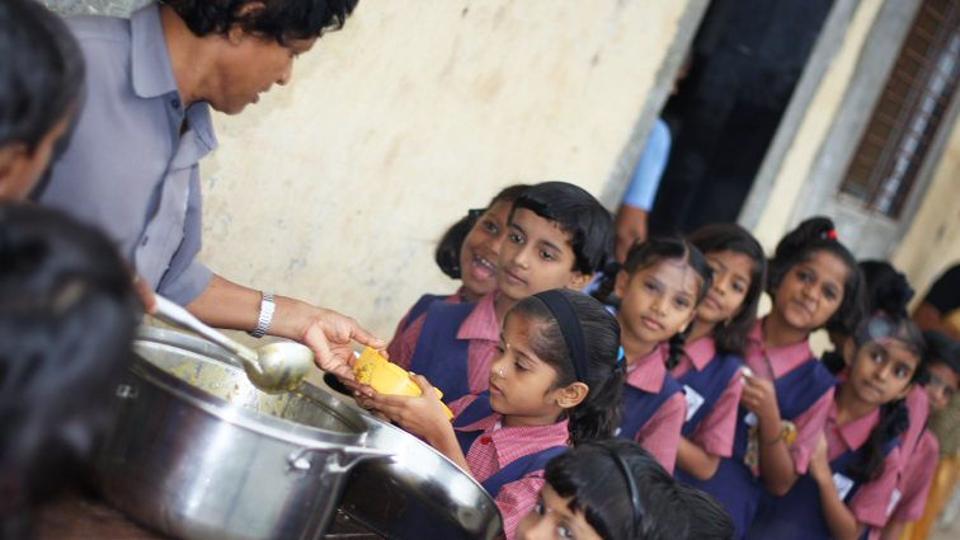
First, the calorie consumption at the lowest fractile of India’s economic classes (the bottom 5% of the population by expenditure) remains significantly below what is considered ideal for Indian adults. At 1,688 kilocalories (kCal) a day in rural areas and 1,696 kCal in urban areas, the average intake falls short of the recommended daily intake of 2,500 kCal by close to a third. Even as governments — both the Centre and the states — try to ensure adequate intake through support programmes including the public distribution system, several other factors are in play. Problems of access, nutrient balancing, efficient targeting and delivery need urgent solutions. That said, the trend of a shrinking gap between the top and bottom fractiles over the past decade is heartening.
Second, the recent trend of diversification of households’ nutritional basket holds strong. Though cereals continue to be the single-largest source of protein for households, their share in the overall protein pie is falling, with households turning to pulses, dairy and meat/fish/poultry. That is welcome, given it indicates rising spending on nutritional balance — with commensurate imprints on human health. As non-communicable diseases start to define India’s morbidity picture, it is necessary to get the nutritional mix and diet basket right.
Third, as the data is parsed for regional patterns, a more comprehensive picture of deficits is likely to emerge, not always fitting neatly with economic conditions. There will be sociocultural factors at play that need to be understood and factored in as the State moves to tweak policies.


