
 E-Paper



Why DC and Beijing want stability
The US is seeking a tactical pause; Beijing wishes to use the moment to extract strategic advantages vis-à-vis Washington

 Prefer HTon Google


Following their meeting in California in November, US President Joe Biden and Chinese President Xi Jinping spoke for close to two hours over a call on Tuesday. Any engagement between the two countries, which have been locked in an increasing confrontation in recent years, often sparks speculation about the possibility of a reset between them. But that’s not the wisest frame to view what is clearly the most consequential bilateral dynamic in the world. And the official version is that both leaders have agreed to keep in touch in order to manage their competition responsibly and prevent unintended conflict.
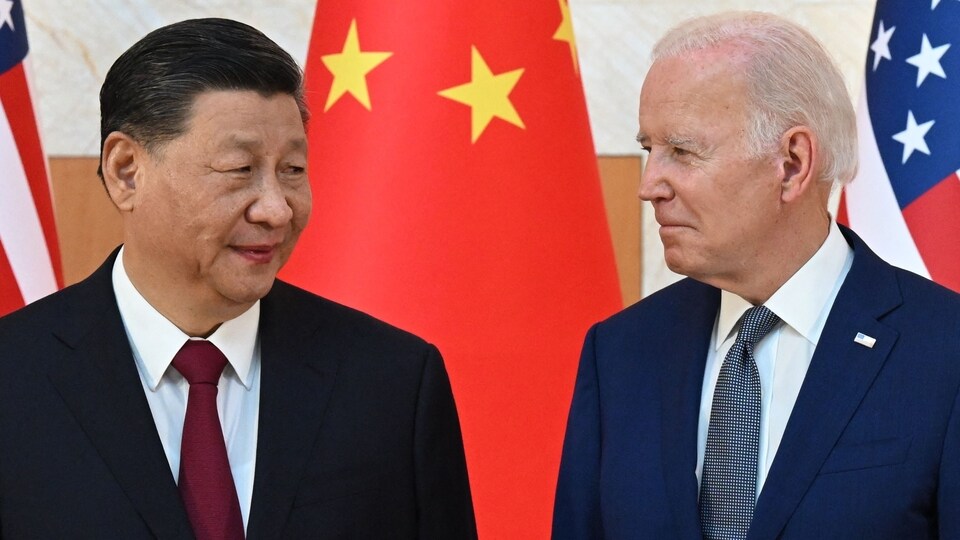
The incentives for both sides to talk are clear. The US is embroiled in two wars, Ukraine and Gaza, and neither is going well from its perspective. It is an election year at home and the Biden administration neither wants a third front to open nor a destabilised global economy. The Xi regime is struggling with its own economic woes; it believes that a signal of accommodation with the US will dampen the spirit of its adversaries who happen to be America’s allies in Asia; and it needs continued US engagement for some more years to bridge the gap in the global system. Neither side trusts the other’s intent, and both closely track each other’s capabilities. Finally, neither side has any illusions that engagement will lead to the resolution of structural competition.
But the terms on which the engagement is happening are important. Washington DC sees the engagement with China as important in addressing both macro global issues such as climate but also specific issues that have inflamed American politics and society such as fentanyl flows from China. It also sees talks as useful to push forth its concerns such as the influential role China has played in saving and strengthening Russia’s military industry complex, or China’s aggression vis-à-vis the Philippines. However, it intends to continue its competitive actions to build integrated deterrence across the Indo-Pacific. Beijing wants to use the moment to push the US to withdraw its tech controls, change its signal to American industry and nudge it towards China, reduce its commitment to allies and partners in the Indo-Pacific, and carve out the world in a “win-win” manner, none of which is likely to happen. Delhi should watch the US-China dynamic, but it can continue to bet on the two countries remaining locked in an adversarial dynamic without it descending to an outright conflict. This works just fine for India.


