
 E-Paper



Why India must look beyond CAA
India’s citizenship rules need to be streamlined and empathetic

 Prefer HTon Google


Four years after the Citizenship (Amendment) Act, or CAA, was introduced, the Union home ministry on Monday introduced the rules to implement the law. Coming just ahead of the general elections, this move is once again bound to polarise the polity as it did in 2019. Many Opposition-ruled states have passed resolutions against the Act, and there are over 200 petitions in the Supreme Court challenging it.
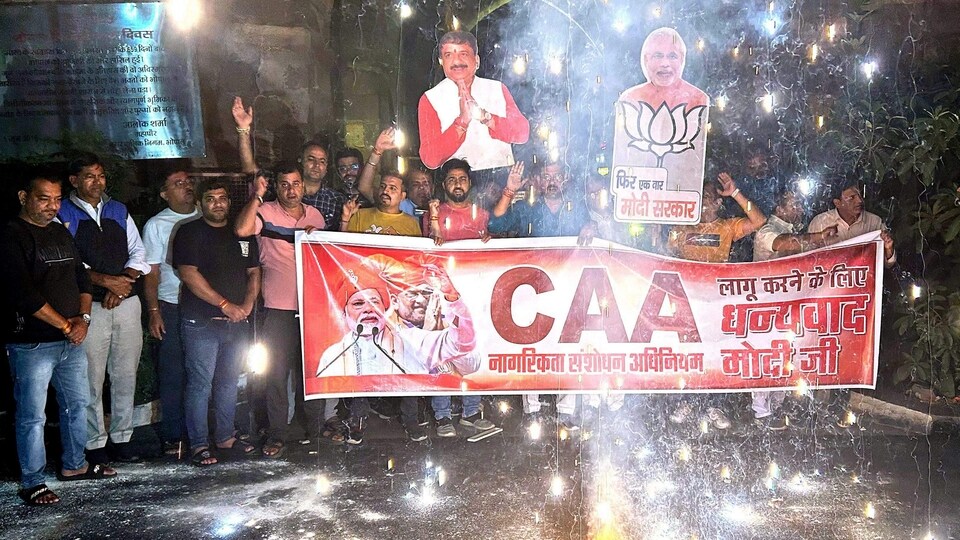
The Act is contentious. Article 14 of the Constitution is clear that “the State shall not deny to any person equality before the law or equal protection of the laws within the territory of India”, but CAA privileges a person’s faith while considering their application for Indian citizenship. The law makes exceptions for people from six communities — Hindu, Sikh, Christian, Jew, Parsi, and Buddhist, from three countries, Pakistan, Afghanistan and Bangladesh — on the grounds that they are “persecuted minorities” living in Muslim-majority countries. While India should definitely provide a home to persecuted minorities, it needs to consider doing so without privileging faith. Indeed, the perception that CAA is intended to target Muslims stems from the Union government’s ahistorical approach to the subcontinent’s complex history and the Indian Constitution’s liberal values, although, as the government has pointed out, CAA will not affect Indian Muslims in any way.
As the predominant power in the region and a liberal democracy, India needs to be welcoming of refugees. And it has always been so despite the flow complicating its relations with neighbours and stretching its resources. Refugees from Tibet, Tamils from Sri Lanka, Chakma and Rohingya people from Bangladesh and Myanmar, Hindus, Sikhs and Muslims from Afghanistan, Hindus and Muslims from Bangladesh, and Hindus and Sikhs from Pakistan have sought refuge here, and India has accommodated them over the decades.
Besides bruising inter-community relations and causing distrust of the State among a section of the population, CAA is also bad optics for a country that aspires to be a global liberal power, a vishwa mitra invested in sarva dharma samabhava (equality of all faiths).


