
 E-Paper



Why monsoon rainfall matters
Normal rains, spread out evenly, will boost key sectors of the Indian economy

 Prefer HTon Google


The India Meteorological Department (IMD), the country’s national weather bureau, has predicted an above-normal monsoon season with a potential boost to the world’s fifth-largest economy. Plentiful June-September rains not only bring respite from a scorching summer, but they are also the lifeblood of the country. The rains are critical for three reasons. One, they drive agricultural output and growth, with farming still the largest source of employment. Two, nearly half of the country’s net-sown area does not have access to irrigation and therefore, depends on the rains to grow a number of crops vital for food security. Three, robust farm output helps to put a lid on food prices, which have remained above the central bank’s comfort level.
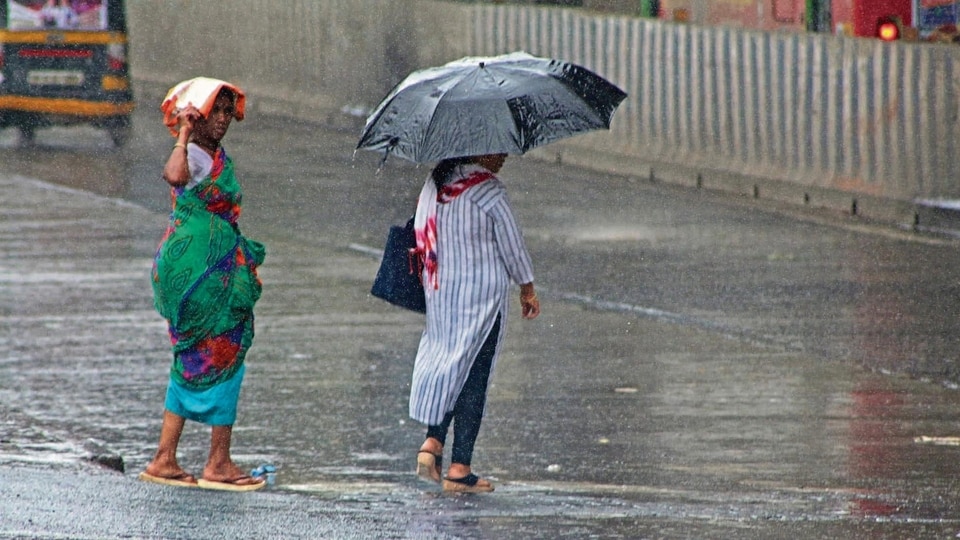
According to IMD’s forecast for the 2024 southwest monsoon, rainfall is expected at 106% of its long-period average or LPA, with a model error of ±5%. Rainfall between 96% and 104% of the 50-year average of 87cm (or 35 inches) for the four-month rainy season is considered normal. The monsoon, which delivers 70% of the country’s annual rainfall, also replenishes 89 nationally important water reservoirs critical for irrigation, drinking and power generation. Most of these are currently depleted by nearly half of their usual capacity, according to official data.
Hopes of a robust monsoon became brighter in recent months with a weakening El Nino, a weather anomaly marked by higher Pacific Ocean surface temperatures. Its effects ripple around the globe: An El Nino is usually associated with hot, dry weather in India. Weather conditions are set to enter a so-called neutral stage by the time the monsoon sets in, usually in the first week of June. The neutral phase is expected to give way to a La Nina phase, which increases rainfall in summer in India.
A good spell of showers will potentially boost key sectors of the economy. When farm growth increases, rural spending goes up too, spurring demand in the economy. For instance, in a normal-monsoon year, nearly half of all motorcycles are sold in the countryside and semi-urban centres. The cautionary tale in all of this, however, is that the rains need to be evenly spread, across regions and the season. A second IMD forecast due in a month will deliver a more granular picture of how the rains will fare in terms of distribution.


