
 E-Paper



Number Theory: What's fanning the wildfires in California?
.
Published on: Jan 9, 2025, 09:19:10 IST

 Prefer HTon Google
Share via


Copy link

Three wildfires in Los Angeles county in California in the US have led to large-scale evacuations in several neighbourhoods. While wildfires in California are not unheard of, the latest incidents have caught global attention because they affect densely populated and affluent areas. Even if the neighbourhoods are evacuated, and the loss of lives is limited, the fires are bound to cause a large loss of property. This highlights that there is only so much protection even the rich can afford against the outcomes of the climate crisis, which weather and fire data suggests may have a role to play in these fires.
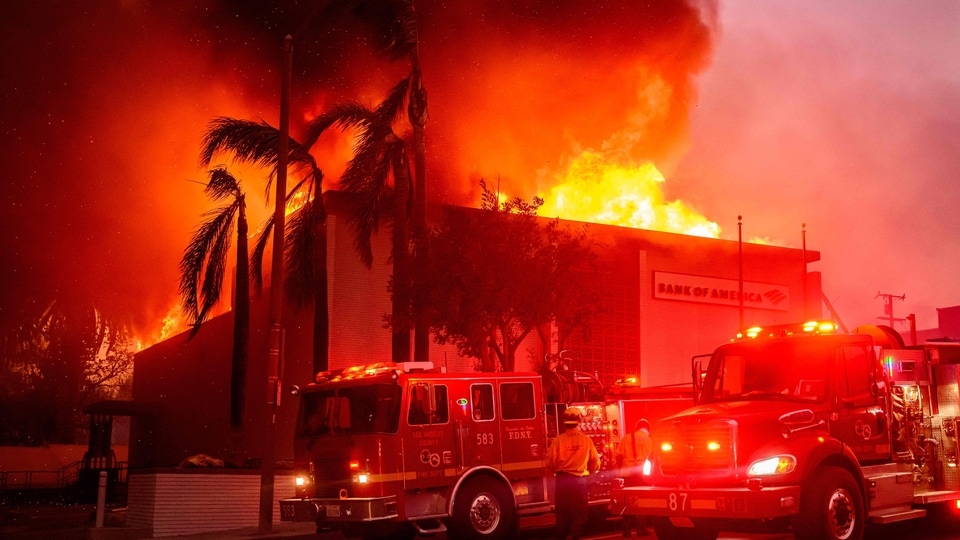
What's fanning the wildfires in California?
 How big are the fires in California?The three active wildfires in California – they were logged in the database of the California Department of Forestry and Fire Protection between 10.30am and 10.30pm on January 7 (local time) – are in the neighbourhoods of Palisades, Eaton, and Hurst in Los Angeles county. According to updates made between midnight and 2.20am local time on January 8, they were estimated to have burnt 2,921, 1,000, and 500 acres respectively. This would make them the 147th, 222nd, and 308th biggest wildfires by individual area among 1,547 wildfires since 2009 for which the California fire department has detailed data. These ranks can possibly go higher, as the fire continues to spread and data is updated.
- Unusually dry and warm weather set the stage for the firesThis can be seen from the trends in rainfall and temperature in California. While the southern half of the state (where Los Angeles is located) is drier than the northern half of the state even usually at this time of the year, the places in the county where the fires are active should have received over 70mm of rainfall between December 1 and January 6, according to the 1991-2020 average of rainfall. This year, these places have received less than 1mm of rainfall in this period. In other words, the rainfall deficit is nearly 100% from long-term averages. Clearly, these places were dry in the month leading up to the fires. Dry vegetation in a forest means a higher risk of fires. In addition, the average temperature in December in these places more than 2°C warmer than long-term averages, further making them vulnerable to wildfires.
- Strong winds have helped the fires engulf a large areaModel run estimates from the Global Forecast System (GFS) show that even the average wind gust – sudden short burst of high wind speed – in the past day was over 70km per hour at the places where the fires took place. The maximum wind gust during this period went over 80km per hour, and according to the local administration even hit 160 km per hour in some areas. This is why the fires have spread over a large swathe so fast.
- Long-term trends suggest a warming climate may have a role to play in big fires in CaliforniaUnusual trends in weather on a particular day has always been possible. However, it is by now common knowledge that unusual weather – such as the dry and warm December southern California experienced in 2024 – has become more probable due to a warming climate. This is why it will not be surprising if the wildfires active right now are attributed to climate change by scientists once the analysis is done. At least the data on fires suggests that big fires are a relatively recent phenomena in California. Of the 20 biggest wildfires recorded in the state – the earliest recorded event is from 1932—10 have taken place from 2020 onwards.




Unlock a world of Benefits with HT! From insightful newsletters to real-time news alerts and a personalized news feed – it's all here, just a click away! -Login Now!


