
 E-Paper



Number Theory: Why Congress cannot decide what to do with AAP
.
Published on: Jan 16, 2025, 09:03:10 IST

 Prefer HTon Google
Share via


Copy link

The 2025 assembly elections in Delhi will largely be a bipolar contest between the Aam Aadmi Party (AAP) and the Bharatiya Janata Party (BJP). This was also the case in the Last two assembly elections, in 2015 and 2020. The Congress, which ruled Delhi for 15 years between 1998 and 2013, has failed to win even one assembly constituency (AC) in Delhi since 2015. What will it take for the Congress to resurrect itself in the city state? First, it must decide, whether it wants to treat the AAP like a friend or an enemy. Here are three charts that explain this argument in detail.
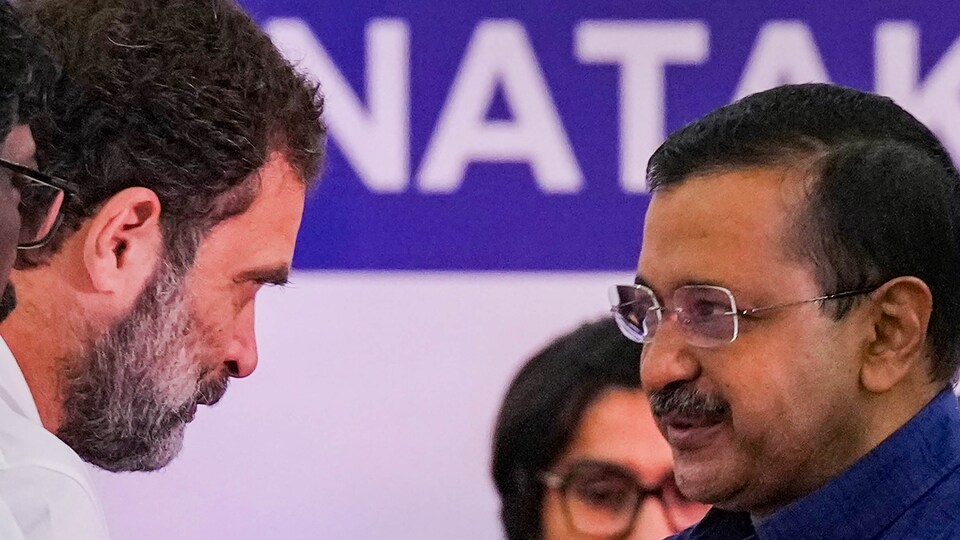
Why Congress cannot decide what to do with AAP
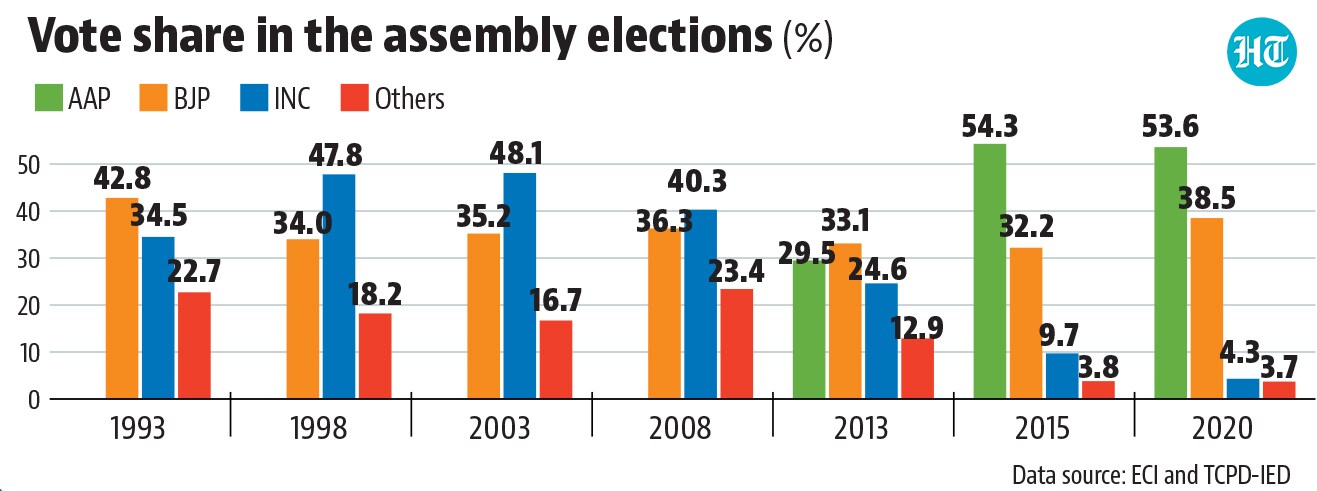
 AAP’s rise in Delhi politics has largely been at the cost of the CongressVote share numbers show this clearly. While the BJP’s seat share has fallen drastically since 2015, it has held on to its core vote share of 30% or so. This is not the case for the Congress, which started haemorrhaging from 2013 and saw its vote share fall to an abysmal 4.3% in the 2020 elections. A comparison of vote shares in all Delhi assembly elections since 1993 shows the AAP has usurped most of the erstwhile vote share of the Congress. To be sure, it has also gained from some of the non-Congress, non-BJP vote share and also a chunk of votes from people who prefer the BJP in Lok Sabha elections. This is the biggest reason a large section of the Congress’s Delhi leadership is extremely bitter towards the AAP.
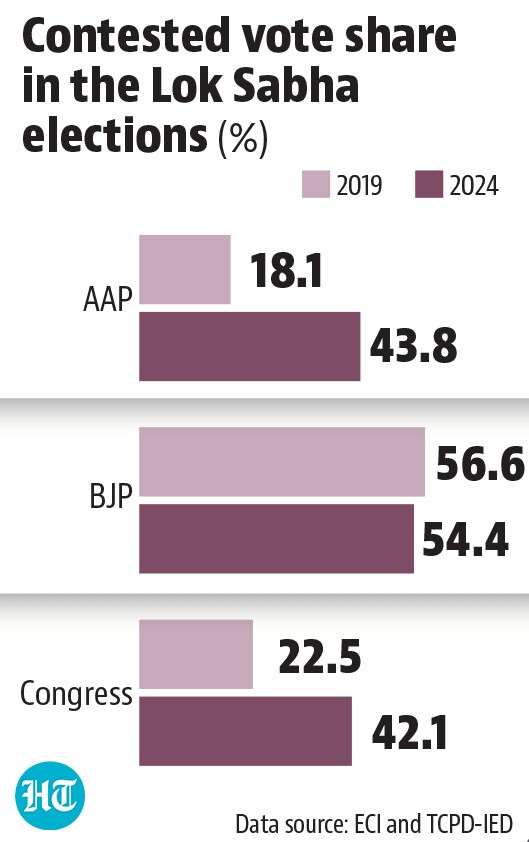
- The Congress is slightly more relevant in national elections than state elections in DelhiOnce again, vote share numbers bear this out. 2014 was the first Lok Sabha election with the AAP, BJP and Congress in the fray. While the BJP won all seven parliamentary constituencies (PCs) in the Delhi, it would go on to do so in 2019 and 2024 as well, the Congress slipped to the third place in terms of vote share behind the AAP. In 2019, the Congress actually stood second in aggregate vote share in Delhi, 4.4 percentage points ahead of the AAP’s 18.1% vote share. The BJP had a massive 56.6% vote share. It was perhaps this performance, along with the opposition trying to build some kind of an all-in unity front against the BJP, which led to an alliance between the AAP and the Congress in the 2024 Lok Sabha elections. The AAP gave three out of the seven Lok Sabha seats to the Congress in the alliance. Both the AAP and the Congress saw a rise in their contested vote share compared to 2019, which suggests that there was some traction for the alliance on the ground.
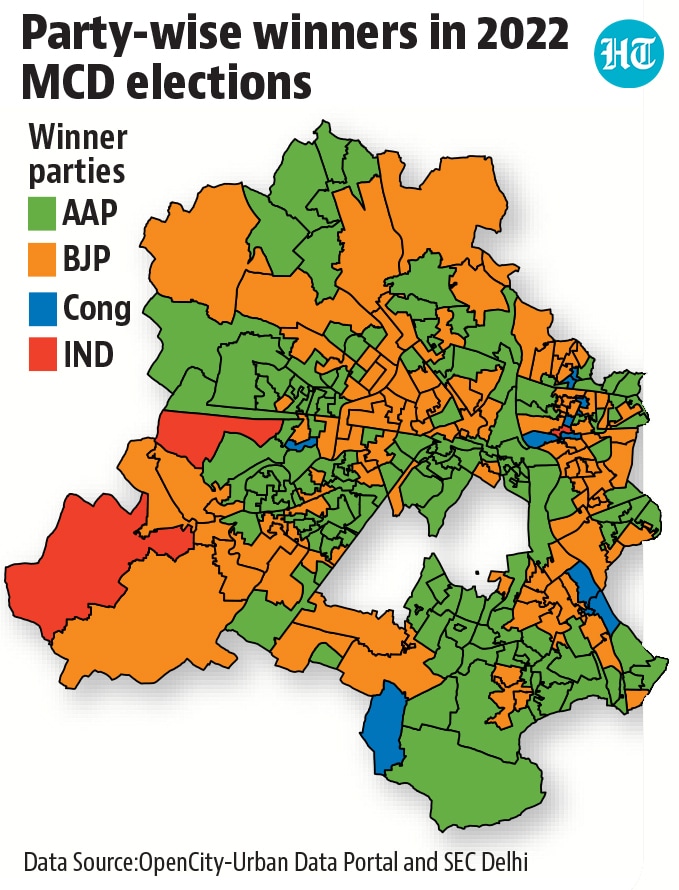
- But the Congress has decided to part ways with the AAP again in 2025The rupture started from the Haryana assembly elections held last year when the Congress refused to accommodate the AAP in the alliance unlike the Lok Sabha polls when the AAP was given one seat. The AAP reciprocated by deciding to contest Delhi on its own. Now the Congress is contesting all 70 ACs in Delhi, not just drawing criticism and even ridicule from the AAP but also other constituents of the INDIA block. Should the Congress have bought peace with the AAP and agreed to contest a smaller number of ACs in these elections? Its performance in the 2022 Municipal Corporation of Delhi (MCD) elections would support this argument ; the Congress mostly won in minority-dominated wards. But doing that would require an admission on the part of the Congress that it has become a pale shadow of the political hegemon it used to be in Delhi and a willingness to trade its national footprint for being a junior partner at the state level. The Congress’s state leaders in Delhi, like in many other states, are in no mood to accept this and the party does not seem to know what to do about this. This can be the only logical explanation of the Congress’s strategy in these elections.



Unlock a world of Benefits with HT! From insightful newsletters to real-time news alerts and a personalized news feed – it's all here, just a click away! -Login Now!


