Kanu Behl takes a deep dive into the nasty, gloomy questions surrounding sexual repression and India's oppressive patriarchal reality with his second feature film Agra. Behl opens the film with a nightmarish sequence involving multicoloured patterns, sex and a squirrel, and sets the tone of his uncompromising film immediately. Arriving in theatres two years after marking its World Premiere at the Director's Fortnight Section at Cannes, Agra is at once the boldest, most vital film of the year. (Also read: Agra director Kanu Behl: 'It is not a matter of the audience's taste or need, its more on the gatekeepers')
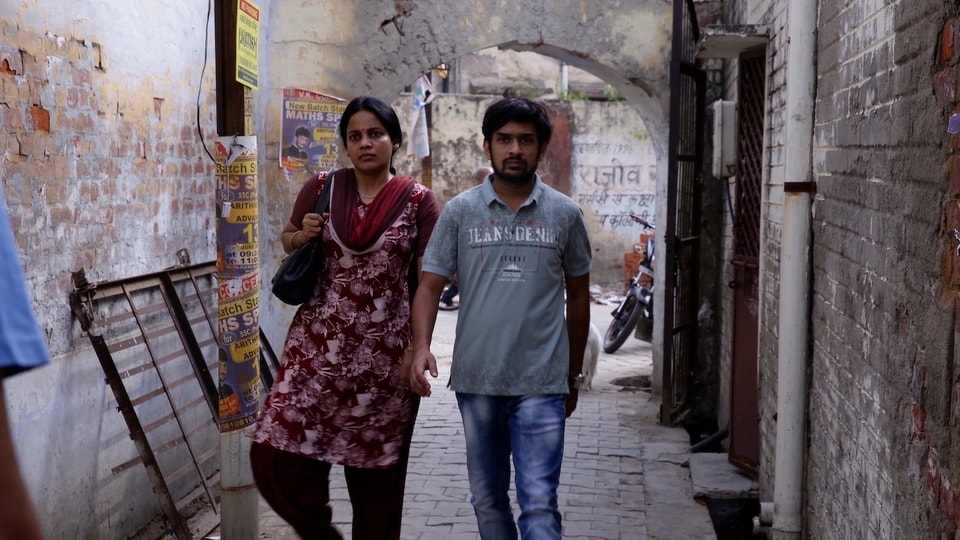
Mohit Agarwal and Priyanka Bose in a still from Agra.
The premise
Agra tells the story of Guru (Mohit Agarwal), who lives in a cramped and crumbling two-storey house with his mother (Vibha Chibber). Upstairs, Guru's father (Rahul Roy) lives in a room with his second wife (Sonal Jha). All eyes are on that open space on the terrace. Guru wants to build his room there and stay with his imaginary girlfriend, whereas his mother has dreams of opening a clinic with Guru's cousin sister (Aanchal Goswami). The second wife wants it as open space for her garden instead. These volatile inhabitants have no individual privacy and are toxic to one another, precariously close to a violent breakdown.
Kanu Behl, working here with co-writer Atika Chohan, is not interested in the subtleties of these interconnected relationships. He throws the viewer right at the centre of chaos and confrontations- orchestrated with a blistering need for space. The casual violence in this family becomes a microcosmic lens of a country at ends with power and privacy. There's a standout scene where Guru goes to visit the girl with whom he has interacted in an online sex chat room. The humiliation is so painful that for a minute, we are invited to feel for him. The next moment, Behl takes an acidic turn, showing Guru doing something absolutely despicable in the next scene. There are no easy shortcuts.
Upon the arrival of Priyanka Bose's Priti, a middle-aged widow with a polio-stricken left leg, is where Agra begins to complicate itself. Bose gives a fierce performance as a woman whose desire never takes a backseat because of her disability. Yet, Agra somehow loses its initial momentum in the second half, as Guru and Priti's intense relationship takes shape. The accompanying plot point of the two women in Guru's house is solved too neatly. It is also too unconvincing to suggest how Priti's entrance in Guru's life begins to straighten things out. The wobbly denouement arrives shortly after, not sitting quietly in the wake of the dizzying burst of rage that Agra promised.
Still, this is a film brimming with commanding performances and assured craft. Mohit Agarwal gives a powerful performance as Guru, wrenching and volcanic in equal measure. Watch out also for Rahul Roy (remember him from Aashiqui?) as Guru's father, who is so good in conveying the years of void. Special mention to Parul Sondh's brilliant production design and the immersive sound by Pritam Das and Phillipe Grivel- convincingly depicting the claustrophobia that these characters feel.
Agra sets out to confront and question, not necessarily wrangle out neat answers. It is perhaps too mainstream to expect dramatic resolutions. Agra is a definitive conversation-starter of a film, one that demands your attention. At the heart of this unsparing and moving film, Guru desperately wants to be heard. Is anyone ready to listen?
Santanu Das is a Senior Content Producer at Hindustan Times with over 5 years of experience, writing on films, pop culture and film festivals. He has a keen interest in writing about South Asian independent films and has covered several film festivals, including Sundance and CPH: Docx. He also brings a sharp perspective to the monthly column called The Fault in Our Stars, where he writes about a recent film/series and what stops the ‘good’ from becoming ‘great’.
A gold medalist from Banaras Hindu University, Santanu completed his postgraduate studies in English from Jadavpur University. He is also a Rotten Tomatoes-certified film critic. When not watching films or speaking to celebrities, Santanu can be found reading a book. Some of his favourite films are Aparajito, Ponyo and The Double Life of Veronique. His favourite books include The Corrections, The God of Small Things and A Room of One's Own.
Santanu continues to write passionately about films and celebrity culture. He brings a relatable, as well as critically informed, lens to entertainment and culture for a wide audience.
Find him on LinkedIn: santanudasfilm
Instagram: @santupechaRead More

 E-Paper