
 E-Paper



Women's Day Special| Boxing strong women as cold, female-led films as niche: Creators on why Bollywood needs female gaze
On Women's Day, director Arati Kadav, writers Kanika Dhillon and Sneha Desai, and casting director Shruti Mahajan talk about women-led films in Hindi cinema.

 Prefer HTon Google


Women-oriented films! That is the term used to describe any film led by a woman, not a man. It doesn't matter if the film is in the action genre (Dhaakad) or fantasy (Rudhramadevi), generally considered male-led bastions. Some publications and critics 'mercifully' use the term 'female-led films'. But the distinction remains. These films are niche and are meant for niche audiences. If even Disney and Marvel did not have the faith to give Scarlett Johansson's Black Window a clear theatrical run, what hope does a female star in Bollywood have? (Also read: Fans defend Sanya Malhotra's Mrs after men's rights org slams it for 'toxic feminism': Some men can't digest the truth)
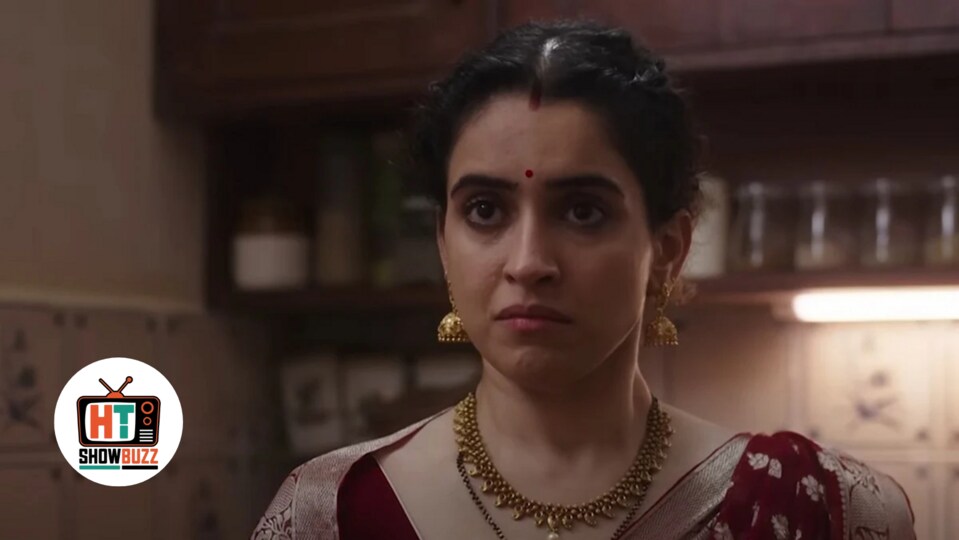
For Women's Day, HT spoke to female creators from the Hindi film industry behind some of the most talked-about women-led films of recent times to gauge where the industry stands and what more needs to be done to bring women-led films into the true mainstream.
Do films need to be 'women-oriented'?
Many box office indices still list films with female leads as women-oriented, no matter the subject or genre. Arati Kadav, director of Sanya Malhotra-starrer Mrs, says, “It can be limiting because the whole idea is that we should see women as full humans and recognize their wholeness. Sometimes, such labels like women-oriented feel like they are pigeon-holing stories.”
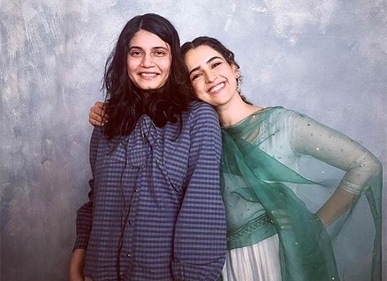
Creators of films that fall in this market-created niche say that removing this terminology would be the first step to de-marginalising these stories. Sneha Desai, the writer of Laapataa Ladies, argues against this term, saying, “The term ‘women-oriented films’ often carries an unintended connotation of separateness, as if stories about women are an exception rather than an integral part of mainstream storytelling. I see cinema as a mirror to society, and women’s narratives should be as diverse, complex, and universal as any other. True progress lies in reaching a point where a strong, layered female character is not the selling point of a film but simply a natural, unquestioned presence in storytelling.”
Can female-led films be mainstream?
Writer-turned-producer Kanika Dhillon feels it all boils down to the money. "The budget of any story is the most important, to be considered viable and have a fair chance at winning," she says, adding, "Women-led stories are finding a place—slowly and steadily with different mediums and market forces at play." Dhillon has been behind films like Rashmi Rocket and Haseen Dillruba, both starring her frequent collaborator Taapsee Pannu.

Arati Kadav admits that things are on the mend but warns against mistaking the occasional tokenism for progress. "With the rise of female writers and directors, stories have more sensitivity towards female characters. But there is also a rise in tokenism, and we have to know the difference," she says.
How things have changed for female film professionals
Creators admit that the best way to usher in the female gaze in Indian stories is representation. As more and more women get involved in the creative process, the age-old-held way of looking at things is bound to change. Casting director Shruti Mahajan, who has worked on films like Padmaavat, Gangubai Kathiawadi, Jai Gangaajal, and Mary Kom, says, “Recognition for casting as a profession itself was a struggle, let alone gaining respect in the role. However, over the years, this perception has evolved. With more women excelling across production, direction, and technical departments, the industry is finally recognising that expertise isn’t gender-specific. Today, my decisions as a casting director are trusted on merit rather than being questioned through a gendered lens. That said, there’s still work to be done in normalizing the idea that women belong in every aspect of filmmaking, not just in front of the camera.”

The road ahead for women in films
Mrs and Laapataa Ladies are two recent Hindi films centred on women that were applauded by the audience. Makers of both admit that the success was a pleasant surprise. This highlights how the success of a women-led film is seen more as an aberration than as the norm even today. To change this, Kanika Dhillon advises a continued effort. "This is an unpredictable time in Hindi cinema, and it remains to be seen how the niche will be defined. But yes, we need to have more female-led stories to expand the spectrum -commercially, culturally, and artistically," she says.
Shruti Mahajan points at the depiction of strong women in mainstream films as one of the things that needs to change. From being portrayed as ‘emotionally unavailable’ to ‘power-hungry figures’, these women often get the short end of the stick.

Sneha Desai adds, “The landscape of Indian cinema is undoubtedly evolving, with stories told through a female gaze becoming more prominent. However, I believe we still have a long way to go in normalizing women's narratives without labelling them as a niche category.”


Get more updates from Bollywood, Taylor Swift, Hollywood, Music and Web Series along with Latest Entertainment News at Hindustan Times.


