
 E-Paper



Switch to low-glycemic foods like veggies and lentils to prevent age-related eye disease
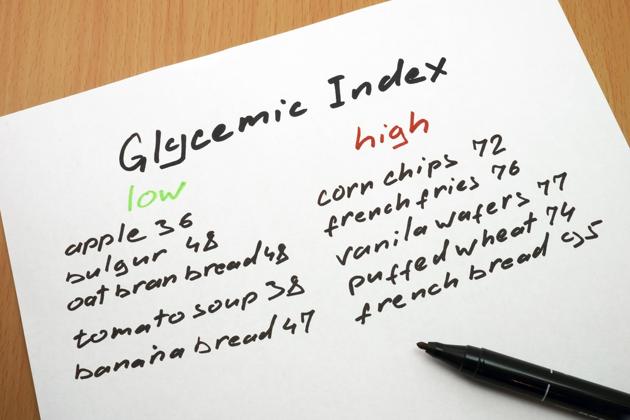
High-glycemic diets – like potatoes, white rice, and white bread – release sugar into the blood stream rapidly and increase the risk for Type 2 diabetes, heart disease, as well as age-related eye diseases, says a new study.


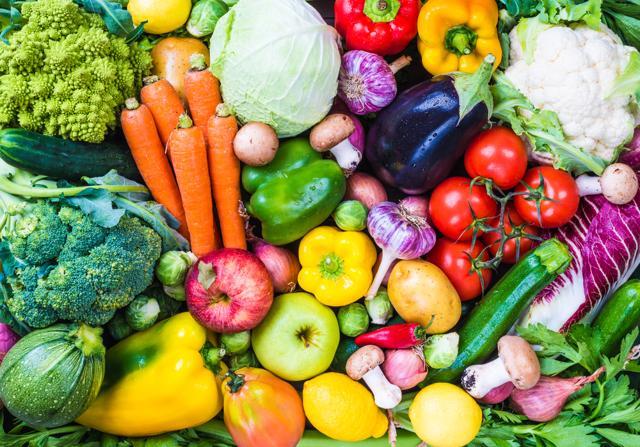
Eating low-glycemic foods such as starches found in whole grains, legumes, lentils, chickpeas, vegetables, leafy greens, may help prevent the development of age-related eye disease that causes vision loss.
In early stages, age-related macular degeneration (AMD) results in blurred vision. However, in advanced stages, it can make life very challenging.
High-glycemic diets – like potatoes, white rice, and white bread – release sugar into the blood stream more rapidly than low-glycemic diets and thus increase the risk for Type 2 diabetes, heart disease, as well as AMD.
It also results in the development of many AMD features, such as loss of function of cells at the back of the eye called retinal pigmented epithelial atrophy (RPE) and of the cells that capture light, called photoreceptors – precursors to dry AMD, the researchers observed.
The study showed that switching from a high-glycemic diet to a low-glycemic diet arrested damage to the retina.
“Our experimental results suggest that switching from a high-glycemic diet to a low-glycemic one is beneficial to eye health in people that are heading towards developing AMD,” said lead author Sheldon Rowan, scientist at the Tufts University.
Using an aged mouse model, the researchers randomised 59 mice into two groups: 19 low-glycemic fed mice and 40 high-glycemic fed mice. The diets differed only in carbohydrate source.
“Our findings show an interaction between dietary carbohydrates, the gut microbiome, specific biochemical molecules, and AMD features,” Rowan added.
According to estimates by the National Eye Institute, the number of people with AMD will double from 2.07 million to 5.44 million by 2050. The disease is typically diagnosed only when vision loss has already begun. Unfortunately, there is no cure.
Follow @htlifeandstyle for more.
Catch your daily dose of Fashion, Taylor Swift, Health, Festivals, Travel, Relationship, Recipe and all the other Latest Lifestyle News on Hindustan Times Website and APPs.


