
 E-Paper



Anchored in purpose, powered by innovation: the next phase of GCC growth
As GCCs expand into tier 2 and 3 cities, it will foster local empowerment, creating a balanced ecosystem that supports diverse talent and regional growth.

 Prefer HTon Google


The story of India’s Global Capability Centers (GCCs) is one of reinvention. From their origins as cost-efficient delivery units, GCCs have evolved into strategic hubs driving innovation, resilience and transformation for global enterprises.
As we enter the era of technological acceleration, shifting workforce expectations and heightened social responsibility, the next phase of GCC growth will be shaped by convergence, where purpose, innovation and human ingenuity come together to turbo-charge business impact while also building a more sustainable and inclusive future.
Purpose as the anchor
Sustained growth increasingly depends on purpose-led strategy. GCCs that embed purpose into their operating model—shaping how they innovate, build capabilities, and deliver value—use it as a catalyst for business transformation and competitive advantage.
Purpose is becoming increasingly central to business strategy. At EY GDS, this focus is translated into responsible AI frameworks that strengthen client trust and scalable delivery models built on data ethics, sustainability, and intelligent automation—all aimed at delivering measurable business impact and enduring value for clients, people and communities.
This alignment between business performance and societal impact is where GCCs are distinguishing themselves. By integrating purpose into everyday decision-making, GCCs are moving beyond support roles to become strategic contributors to global enterprises.
Technology as the accelerator
Artificial Intelligence (AI) is now a central force accelerating this convergence. GCCs are integrating AI not as isolated pilots but as enterprise-wide, human-centered solutions. This includes building responsible AI governance, transparent data practices, and reskilling talent for roles in oversight, stewardship, and automation orchestration.
A clear example of AI driving both business and sustainability outcomes comes from a global FMCG major that deployed AI-enabled demand forecasting across its supply chain. The result: improved service levels, reduced inefficiencies, and a measurable reduction in food waste and energy consumption. AI strengthened its operational performance while advancing sustainability goals—demonstrating the dual impact GCCs can help unlock.
Across industries, similar patterns are emerging:
- Manufacturers using AI-driven energy optimization to reduce emissions.
- Retail leaders deploying AI for route optimization to cut transport cost and carbon footprint.
- Technology companies applying AI to reduce data center cooling energy.
India is also seeing innovation at scale. EcoRatings, for example, uses generative AI to evaluate ESG credentials of products and organizations, helping businesses make more informed sustainability decisions. TrackingPath applies AI and onboard camera systems in smart-city waste management to verify pickups, optimize routes and reduce fuel consumption—enhancing transparency and lowering environmental impact.
These capabilities—AI, cloud, analytics, cybersecurity, digital engineering—are becoming core strengths within GCCs, enabling them to build responsible, scalable and sustainable solutions for global enterprises.
Leadership and culture as enablers
As GCCs scale and diversify, leadership is evolving from managing operations to inspiring connected cultures. Distributed teams thrive when united by purpose and strengthened through trust, autonomy and inclusion.
A “skills-first” approach, which prioritizes adaptability over fixed role definitions, is helping GCCs stay future-ready. Leaders who promote experimentation, empathy, and continuous learning will be pivotal in sustaining innovation.
For instance, the India hub of a global FMCG major cited earlier has embedded sustainability and social impact into leadership behaviors—from capability-building to employee engagement—helping teams connect daily work to a broader global mission.
This cultural shift ensures transformation remains both human and future-ready, positioning GCCs as a global talent accelerator rather than merely operational extensions.
Expanding reach: the role of tier 2 and 3 cities
The growth of GCCs in India’s tier 2 and 3 cities — including Coimbatore, Trivandrum, Kochi, Vizag, Jaipur, and many more — reflects another dimension of convergence: the coming together of global opportunity and local empowerment. These locations now offer robust infrastructure, skilled talent and improved quality of life, enabling a more inclusive model of innovation.
What began as a pandemic-era necessity has evolved into a deliberate strategy. Multi-hub ecosystems are enhancing agility, business continuity, and diversity of thought. For professionals, it means building meaningful careers closer to home; for organizations, it means accessing new talent pools and driving balanced regional growth.
The road ahead: from hubs to ecosystems
India today hosts over 1,900 GCCs employing more than two million professionals, with continued double-digit growth. Yet the next chapter will not be defined by numbers alone. It will hinge on how these organizations balance scale with sustainability, technology with trust, and ambition with purpose.
The evolution of EY GDS as an interconnected ecosystem of innovation, talent and technology reflects this convergence. The future of GCCs will be shaped by how purpose anchors transformation, how technology accelerates it, how leadership and culture sustain it, and how regional hubs expand its inclusivity.
Those that embrace this evolution with clarity and conviction will not only adapt to change—they will define the future of work, technology and societal impact.
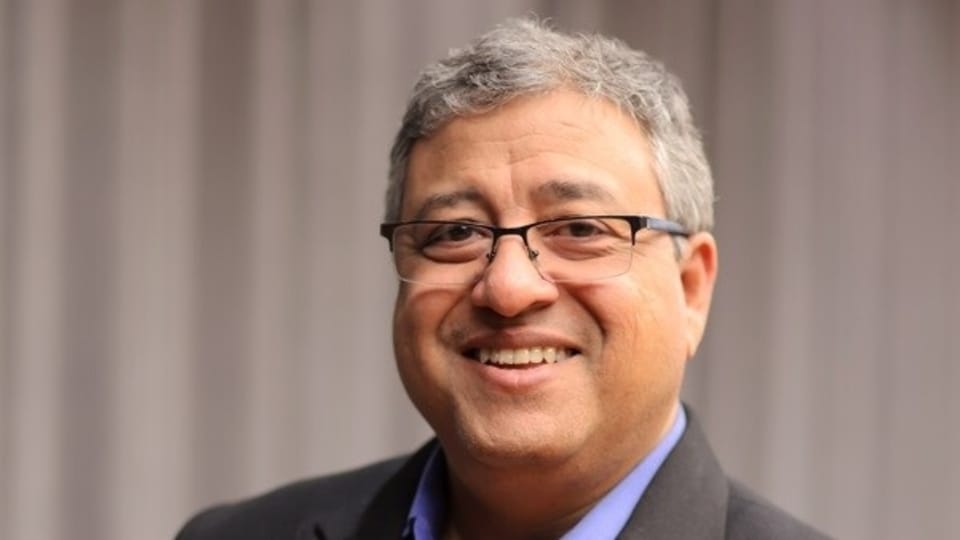
The article has been written by Manesh Patel, Global Operations Leader, EY Global Delivery Services.
Disclaimer: The views reflected in this article are those of the author and do not necessarily reflect the views of the global EY organisation or its member firms.
Note to the Reader: This article is part of Hindustan Times' promotional consumer connect initiative and is independently created by the brand. Hindustan Times assumes no editorial responsibility for the content.


