
 E-Paper



Commercial Vehicle Accidents: Who Pays When Goods Carriers or Buses Cause Damage?
Commercial vehicle accidents entail complex liability issues due to multiple stakeholders.

 Prefer HTon Google


When a truck overturns on a highway, a bus crashes into multiple vehicles, or a delivery van hits someone in a crowded lane; the first reaction is shocking. The second is practical: who is going to pay for all this?
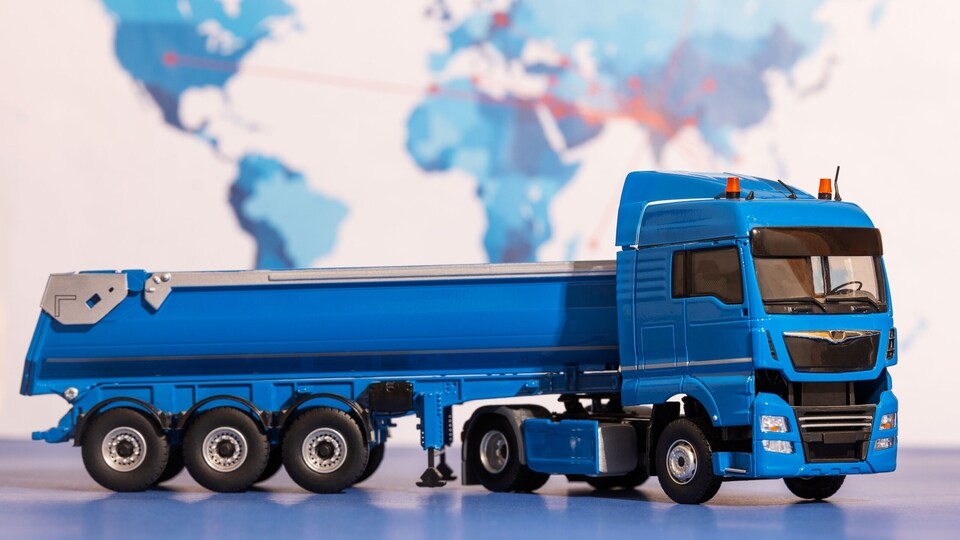
In commercial vehicle accidents, the answer is rarely simple, and it gets better only if a commercial vehicle insurance is involved. Unlike private cars, these vehicles operate inside a larger system, where drivers, owners, companies, and insurers are all connected. That’s why responsibility often gets divided and sometimes disputed.
Why are commercial vehicle accidents different from private car crashes?
At the most basic level, it comes down to size and impact. Trucks, for instance, account for around 20% of road fatalities despite being a small share of vehicles. That’s because when something goes wrong with a commercial vehicle, the effect is rarely limited. A single collision can involve multiple vehicles, passengers, or pedestrians.
Buses add another layer, ie; passenger risk. One mistake can affect dozens of people at once. Goods carriers bring in cargo risk. If a loaded truck crashes, the loss is not just on the road, it can run into lakhs depending on what was being transported.
Then there’s the way these vehicles are run. A private car usually has one clear owner. But a commercial vehicle might be owned by one person, driven by another, and operated under a company or logistics platform. This shared setup is what makes responsibility less straightforward.
Who can be held responsible after an accident?
In most cases, responsibility is rarely one-sided, the driver is the first person looked at. But very quickly, the focus widens.
- The driver may be at fault if they were negligent (speeding, rash driving, etc.)
- The vehicle owner can be responsible for poor maintenance or hiring an unqualified driver
- The transport company or employer may be liable if the driver was working for them
- In some cases, aggregators or contractors (like logistics platforms) may also be involved
- The commercial vehicle insurance company steps in if the vehicle is insured
- Sometimes, even the cargo owner may come into the picture if the load contributed to the accident
Whoever finally pays depends on the situation and investigation.
What role does commercial vehicle insurance play?
Insurance is what prevents one accident from turning into a financial disaster. Every commercial vehicle on the road must have third-party insurance. This is what covers damage or injury caused to others. So, if a truck damages another vehicle or injures someone, the insurer typically handles that cost, provided there is a valid truck insurance and everything is in order. Many operators also take broader coverage for their own vehicle, but the key point is simple: insurance works only if the rules are followed.
It’s not uncommon for claims to get stuck or rejected, not because insurance wasn’t there, but because something didn’t match the stated conditions.
What happens when documents are missing or invalid?
This is where things often fall apart for operators. If a commercial vehicle is running without proper documentation, the insurer may refuse to pay. Similarly, if the driver does not have the correct license for the type of vehicle, the claim can be rejected. Common issues in these cases include:
- Expired permit
- No valid fitness certificate
- Wrong or mismatched driving licence
- Vehicle running outside approved route
- Insurance policy expired
Even something like operating outside the approved route or region can create complications. In such situations, the financial burden shifts directly to the vehicle owner or operator, which can be a significant setback. In such cases, the owner or operator may have to pay from their own pocket.
How is compensation usually assessed?
After an accident, authorities first look at what happened and who is at fault. Police reports, on-ground inspection, and witness accounts help build the picture. Based on this, fault is established, and the process of compensation begins.
In many cases, this goes through Motor Accident Claims Tribunals (MACT). The compensation is not random; it considers the actual damage, injuries, and in serious situations, the long-term impact on a person’s life or income.
For example, even mid-level injury cases can see compensation in lakhs, while serious cases or fatalities can cross ₹50 lakh or more, depending on the situation.
The larger the impact, the higher the financial exposure, especially for commercial vehicles.
What people often miss: Compliance failures cause more risk than accidents themselves
Here’s the part most operators don’t talk about. A large share of the real risk doesn’t come from the accident, it comes from what was already wrong before the accident happened. Studies have flagged issues like fake or weak fitness certification for commercial vehicles, which has been linked to a significant number of fatal crashes in India.
In other words, many financial losses arise not just because of bad luck but because of avoidable compliance gaps. And in those cases, comemrcial vehicle insurance may not fully protect the operator.
Why do operators face business losses beyond compensation?
For commercial vehicle owners and fleet operators, the loss does not end with compensation.
They also deal with:
- Vehicle downtime (no earnings while the vehicle is off-road)
- Cargo loss or damage
- Penalties for delayed deliveries
- Legal costs
- Reputation damage with clients
There are also legal costs to manage, along with the long-term impact on business reputation. In competitive sectors like logistics and transport, even a single major accident can affect future work opportunities.
What operators should check before vehicles hit the road
Most of these risks can be reduced with basic checks before a vehicle goes on the road. Before sending a vehicle out, operators should ensure:
- Active commercial vehicle insurance policy
- Valid permit
- Updated fitness certificate
- Correct driver licence
- Proper route compliance
- A clear emergency response process
But beyond documents, experienced operators also focus on process:
- Is the vehicle overloaded?
- Is the route compliant?
- Is there a clear way to report accidents quickly?
Because when something goes wrong, speed and clarity matter as much as coverage.
At the end of the day, commercial vehicle accidents are not just about damaged vehicles or claims. They affect people, businesses, and livelihoods. Insurance helps absorb some financial shock, but it cannot replace basic discipline, well-maintained vehicles, trained drivers, and proper documentation.
Because in this space, the question isn’t just who will pay. It’s also how much it will cost, not just in money, but in time, trust, and business.
Note to readers: This article is part of HT's paid consumer connect initiative and is independently created by the brand. HT assumes no editorial responsibility for the content, including its accuracy, completeness, or any errors or omissions. Readers are advised to verify all information independently.
Want to get your story featured as above? click here!


