
 E-Paper



Meghalaya clears separate ST-only electoral roll in Sixth Schedule reform
The move fulfils a long-standing demand and comes months after the Council amended its rules to make an ST certificate mandatory for candidates

 Prefer HTon Google


The Garo Hills Autonomous District Council (GHADC) in Meghalaya on Monday approved amendments to Rules 128 and 129, clearing the way for a separate electoral roll exclusively for council elections and potentially marking the biggest overhaul of the Sixth Schedule body’s electoral system since its creation in 1952.
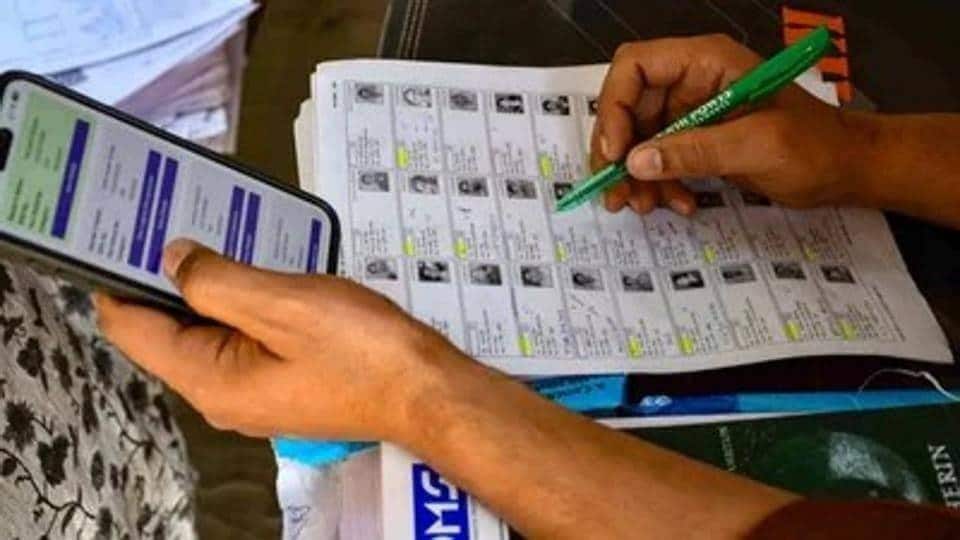
The reform ends the Council’s decades-old dependence on the electoral roll prepared for assembly elections and introduces a dedicated mechanism for determining who can vote in GHADC polls.
More significantly, the amended provisions link eligibility to vote to Scheduled Tribe (ST) status notified for Meghalaya, along with other prescribed qualifications, effectively excluding non-ST persons from the GHADC electoral roll.
The move fulfils a long-standing demand in the Garo Hills and comes months after the Council amended its rules to make an ST certificate mandatory for candidates contesting GHADC elections. The latter amendment was subsequently approved by the governor.
The latest decision is also seen as fulfilling a key electoral commitment of chief minister and NPP leader Conrad K Sangma, who has backed the demand for a separate electoral framework for the Sixth Schedule institution.
Also Read:Meghalaya’s draft electoral roll declines by 180,402 after SIR
Supporters of the reform argue that a council created primarily to protect tribal interests should have an electoral system reflecting that constitutional mandate.
“The separate electoral roll will ensure that the electoral process of the District Council reflects its purpose as a Sixth Schedule institution and strengthens tribal self-governance,” a supporter of the amendment said.
The change, however, represents a fundamental departure from the system followed since the GHADC was established.
For decades, council elections were conducted using the electoral roll prepared for assembly elections, allowing members of different communities to participate in the electoral process.
The amendments now shift the focus from simply maintaining a separate voter list to determining who constitutes the electorate of the autonomous council.
The move follows months of intense debate over electoral eligibility that erupted into protests and violence in the Garo Hills earlier this year, eventually forcing the postponement of the GHADC elections.
The controversy also triggered legal scrutiny after an earlier executive notification making ST certification mandatory for candidates was quashed by the Meghalaya high court for not having followed the prescribed legislative process.
Monday’s amendments were passed by the House, although Tura MDC Rimpu Marak was absent when the provisions were adopted.
With the amendments in place, the next step will be preparation of a dedicated GHADC electoral roll based on the revised eligibility provisions.
The reform could therefore have consequences extending well beyond the next council election. By separating the GHADC electorate from the wider assembly electoral roll and linking voting eligibility to ST status, the Council has taken a major step towards defining who gets to choose representatives of a Sixth Schedule institution and, ultimately, who participates in its system of autonomous tribal governance.


