
 E-Paper



From Chaos to Calm: The Transformed Story of Kashi Vishwanath Dham
Once a test of patience amid congestion and confusion, the sacred shrine now stands as a model of faith-led urban renewal.

 Prefer HTon Google


For generations of priests and devotees in Kashi, visiting Baba Vishwanath was once as much a test of endurance as of faith. Narrow lanes, hanging electrical wires, swelling crowds, and the constant fear of stampedes defined the pilgrimage experience. Many devotees would wait for hours, only to return without reaching the sanctum. At any given time, barely 40 to 50 people could offer darshan together—not due to lack of devotion, but because of severe infrastructural limitations.
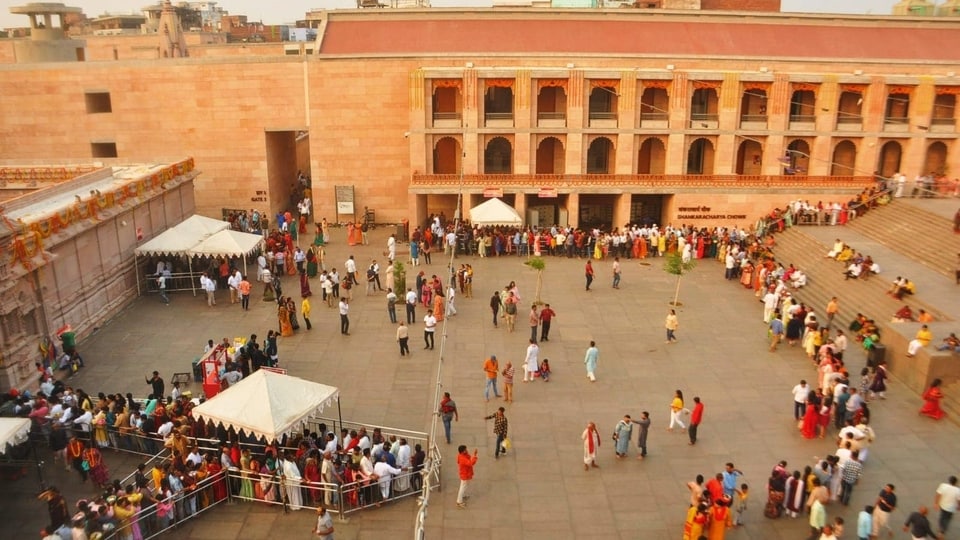
This was the reality surrounding the Kashi Vishwanath temple before 2014. Access to the shrine was difficult, particularly for elderly devotees and women. Scores of ancient temples in the vicinity lay neglected, some in such poor condition that their very existence had faded from public memory.
The turning point came when Prime Minister Narendra Modi articulated a vision to present Kashi’s ancient spiritual soul to the world in a renewed form—without erasing its heritage. This vision laid the foundation for the Kashi Vishwanath Corridor project, an idea ambitious not only in scale but also in sensitivity.
Transforming this vision into reality required determined execution, a role undertaken by the Uttar Pradesh government under Chief Minister Yogi Adityanath. The state treated the corridor not merely as a construction project but as a mission rooted in faith. From land acquisition and stakeholder consultations to security planning and time-bound execution, the government remained actively involved. The Chief Minister personally reviewed progress on multiple occasions to ensure that tradition and reverence were never compromised.
Today, the transformation is unmistakable. Where space once constrained devotion, the Dham can now comfortably accommodate nearly 50,000 devotees at a time. Queues are streamlined, facilities for senior citizens and persons with disabilities are in place, and the atmosphere is calm and dignified. The devotion remains unchanged, but the experience has become smoother, safer, and more contemplative.
One of the most significant yet less discussed outcomes of the corridor project is the revival of heritage. More than 40 ancient temples, discovered during construction, were carefully preserved and restored at their original locations. Temples that had been forgotten for decades are once again centres of worship. Many priests recount how shrines associated with their families for generations have been given a new lease of life.
As devotees walk from the temple complex towards the Ganga today, they witness more than architectural grandeur. They experience a thoughtful balance—where the Centre’s vision and the state’s execution have bridged the long-standing gap between faith and functionality.
The journey from disorder to dignity was not easy. Yet, Kashi Vishwanath Dham today stands as a testament to what can be achieved when leadership is driven by resolve and administration guided by sensitivity—where tradition is preserved, and faith moves forward with renewed confidence.


