
 E-Paper



How Advanced Manufacturing Is Blurring Lines in the Watch Industry
The rise of super clone watches reflects changing consumer values, prioritising experience and design over traditional luxury.

 Prefer HTon Google


Luxury watches have long symbolised craftsmanship, heritage, and status. Names associated with Swiss horology are often spoken with recognition, not just for their aesthetics, but for the engineering and tradition they represent. Yet in recent years, a subtle shift has been taking place beneath the surface of the global watch market—one that is reshaping how consumers think about value, access, and authenticity.
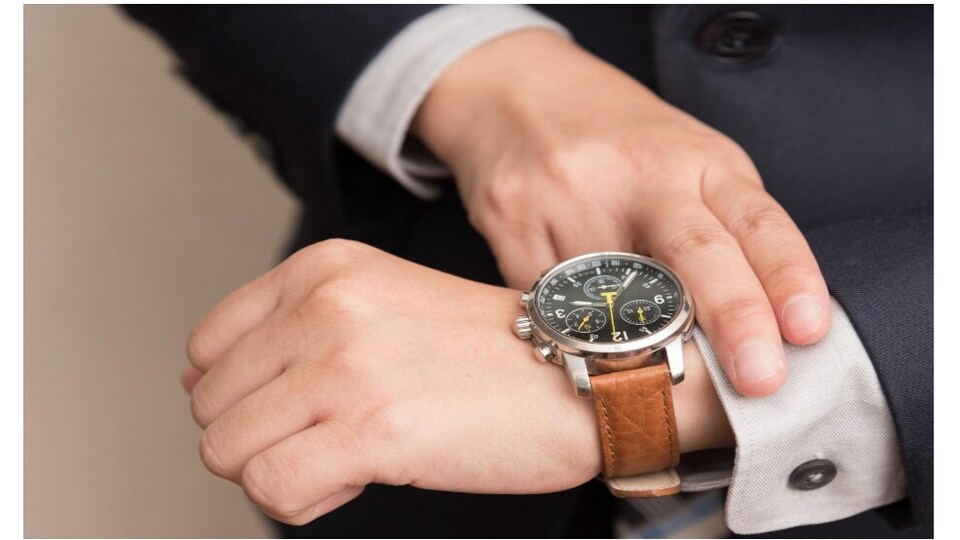
At the centre of this shift is a growing interest in what are commonly referred to as super clone watches—high-precision imitations that aim to mirror the look, feel, and mechanical behavior of luxury timepieces more closely than ever before.
While the topic remains controversial, its growing visibility reflects broader changes in consumer behavior, manufacturing capability, and global luxury culture.
From Simple Imitation to Precision Craft
Historically, imitation watches were easy to identify. Differences in weight, materials, dial printing, and movement performance made most copies feel inferior. However, advances in manufacturing technology—particularly CNC machining, materials engineering, and component sourcing—have narrowed that gap.
Modern clones are not defined by branding alone, but by how closely they replicate physical specifications such as case dimensions, dial proportions, bracelet construction, and mechanical layout. In some cases, the movements inside these watches are engineered to behave in a manner similar to their luxury counterparts, mimicking hand sweep, power reserve behavior, and winding feel.
This evolution mirrors a larger trend seen across industries: as production tools become more precise and accessible, replication quality has increased.
Why Consumers Are Paying Attention
The growing conversation around super clone watches is not solely about affordability. Instead, it reflects a broader shift in how consumers approach luxury goods.
For many buyers—particularly younger professionals—luxury ownership is no longer just about status signaling. It’s about experience, design appreciation, and personal satisfaction. Rising prices in the luxury watch market, waiting lists, and limited availability have also made genuine ownership difficult, even for financially capable consumers.
As a result, some enthusiasts view high-precision imitation watches as a way to engage with watch design and mechanics without participating in speculative pricing or scarcity-driven markets.
The Ethical and Legal Debate
Despite their technical sophistication, super clone watches exist in a legally and ethically complex space. Intellectual property rights, trademark protections, and brand identity are central pillars of the luxury industry, and unauthorised replication raises challenges to those foundations.
Luxury brands argue that imitation—regardless of quality—undermines innovation, heritage, and consumer trust. From a legal standpoint, many jurisdictions prohibit the manufacture and sale of products that infringe on registered trademarks or protected designs.
This tension has fueled ongoing debates about where appreciation ends and infringement begins, especially as replicas grow harder to distinguish from originals in everyday settings.
A Reflection of Modern Luxury Culture
The rise of super clone watches also speaks to changing attitudes toward luxury itself. In an era where social media accelerates trend cycles and visual culture dominates consumption, the symbolic power of design can sometimes rival provenance.
At the same time, traditional collectors continue to emphasise originality, resale value, and historical significance—qualities that imitation products cannot replicate, regardless of physical accuracy.
In this sense, super clone watches are less a replacement for luxury originals and more a parallel phenomenon—one that highlights the gap between aspiration and access in global consumer markets.
What This Trend Signals Going Forward
Whether welcomed or criticised, the emergence of high-precision imitation watches underscores a broader reality: modern consumers are increasingly informed, selective, and value-driven. They question price justification, exclusivity models, and long-standing assumptions about what defines worth.
For luxury brands, this trend reinforces the importance of storytelling, after-sales experience, and innovation that goes beyond surface aesthetics. For regulators and policymakers, it raises ongoing questions about enforcement in a globalised, digital marketplace.
Ultimately, the conversation around super clone watches is not just about watches. It’s about how technology, culture, and economics are reshaping perspectives on luxury in the 21st century.
Note to the Reader: This article is part of Hindustan Times' promotional consumer connect initiative and is independently created by the brand. Hindustan Times assumes no editorial responsibility for the content.


