
 E-Paper



National Deworming Day: Washing hands may save a stunted population

 Prefer HTon Google


As India observes another National Deworming Day, we discuss the problem that is more than an intestinal disease, and the solution, which is right at our wash basins.
Sometimes the solution to the most chronic problems can be as simple as washing hands — with soap.
As the Ministry of Health and Family Welfare observes another National Deworming Day today (February 10) and reaches out to about 34 crore schoolchildren across the country, gastroenterologists say the solution to worms in young, poorly-fed bellies lies in one word — hygiene.
A 2014 report of the World Health Organisation estimated that over 22 crore Indian children between the ages to 1-14 were at risk of intestinal infection.
Over 2.5 lakh schools across the country (18% of the total) had no toilets as of 2013-14, claimed a report by the Unified District Information System data for Education (U-DISE) released that year.

In such a situation, asking children to wash hands with soap before and after every meal and after using the loos (if there are any), seems silly. But this is exactly what experts suggest. “Maintaining hygiene — especially making children wash hands with soap — is of paramount importance,” says Dr JB Dilawari, senior gastroenterologist at Max Hospital, Chandigarh.
One look at the condition of children’s health in rural India, and you’d see a pattern — dearth of basic health facilities, abominable hygiene levels, poorly cooked food and stunted growth — one gaping hole creating another, and worms sitting at the heart of it all.
You may have them and not know it
It is difficult to identify if you need deworming or not because in most cases there are no symptoms. But certain signs should make you worry: anaemia, blood loss, diarrhoea, itchiness in renal area, weakened appetite, weight loss, abdominal pain and worms in stool.
Staying hygienic is the key
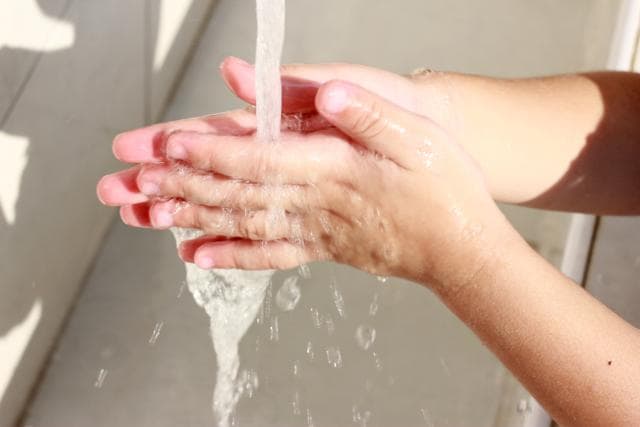
Keep your hands clean, advise doctors. Though rural children younger than 12 years are the most vulnerable to intestinal infection, anyone can get it. Experts therefore suggest both adults and children to:
* Wash hands with soap, especially before eating and cooking, and after using a washroom
* Drink filtered/boiled water
* Avoid eating undercooked food or from eateries with questionable hygiene levels
* Get your blood tested twice a year
* Kids should be taught hygienic ways to use toilets
* Parents need to set high standards of cleanliness for their children to follow
It is preventable
“One Albendazole tablet a day (400mg for adults; the dose varies for kids) is the tried and tested way to successful deworming,” says Dr Dilawari.
“Several anti-worming syrups and tablets are easily available over the counter. They are safe. One tablet a week for two weeks should help,” says Dr Saket Goel, senior consultant gastroenterologist at Indraprastha Apollo Hospital, New Delhi. Considering the high incidence of infections around, he suggests repeating the course every three months.
Deworming is a small part — the start — of a larger initiative that hopes to bring an end to the problems plaguing India for over 70 years now.
The author tweets @sneha_bengani
Follow @htlifeandstyle for more


