
 E-Paper



Scientifically Speaking: Five years after Covid-19, mRNA vaccines still matter
Once hailed as a pandemic miracle, mRNA technology might revolutionise healthcare if we keep investing in it.

 Prefer HTon Google


Five years ago, as Covid-19 swept across the globe, I found myself glued to research updates, writing regularly for media outlets such as HT and Mint. The world was desperate for scientific solutions.
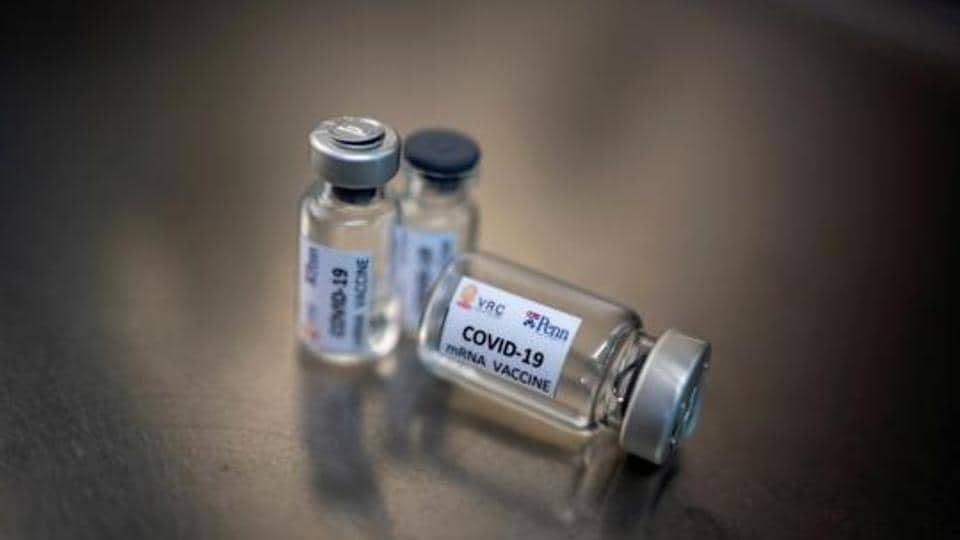
I remember vividly the wave of hope that arrived in November 2020 when Pfizer announced its Phase 3 data showing the mRNA vaccine it had developed, claiming that it was more than 90% effective. Moderna followed soon after, with similar promising news. This was followed by an Emergency Use Authorisation in the United States in December 2020. I eagerly shared the promising results on all those vaccines on social media, later incorporating them into my popular science book ‘Covid-19: Separating Fact from Fiction’.
The emotion I felt upon receiving my first Pfizer mRNA vaccine dose four years ago is still fresh in my memory. Like millions worldwide, that vaccination likely transformed what could have been a severe illness into something manageable when I eventually contracted the virus. These vaccines offered not just protection, but a signal of our collective triumph against an invisible enemy.
Yet today, at what should be a celebration of this revolutionary technology’s potential, we find ourselves wondering about the future of mRNA research. The scientific community is watching if funding agencies in the US will continue to support mRNA vaccines.
The timing is particularly significant, as mRNA technology stands at the threshold of transforming medicine far beyond Covid-19. In 2023, Katalin Karikó and Drew Weissman received the Nobel Prize for their groundbreaking work on mRNA vaccines. Their research has opened doors to addressing numerous diseases that plague humanity.
The impact of these vaccines has been staggering. Modeling studies published in Lancet Infectious Diseases in 2022 suggested that mRNA vaccines saved more than 14 million lives worldwide in just their first year of administration during the pandemic.
The benefits of these vaccines are well-known but worth repeating. Unlike conventional vaccines, mRNA vaccines can be designed within days once a pathogen’s genetic sequence is known. Of course, the development process still involves rigorous clinical testing and regulatory approvals, but the ability to initiate vaccine design so rapidly represents a monumental leap in preparedness.
Why do next-generation mRNA vaccines matter so much? Beyond Covid-19, the world faces persistent health threats that have resisted conventional vaccine approaches for decades.
Cancer treatment represents one of the most promising frontiers. In early 2025, building on results first reported in 2023, Memorial Sloan Kettering Cancer Center in the US announced encouraging data from an mRNA-based vaccine against pancreatic cancer, one of the deadliest forms of the disease with a 90% mortality rate. This personalised vaccine trains the immune system to recognise and fight cancer cells specific to each patient, with immune responses persisting for nearly four years in some patients. Globally, more than 100 trials are currently testing mRNA technology against various cancers.
Infectious disease research stands to benefit as well. Scientists are developing mRNA vaccines for malaria. Even today, malaria kills approximately 600,000 people annually, with children under five making up the majority of victims. These vaccines could potentially offer advantages over traditional approaches, particularly in their ability to be quickly adjusted in response to mutations.
Similarly, more effective mRNA-based flu vaccines are in development, with the promise of broader and more durable protection against seasonal influenza strains. As we experienced in real time during the pandemic, the adaptability of the platform makes it uniquely suited to address rapidly evolving pathogens.
While Indian pharmaceutical companies focused primarily on traditional vaccine platforms during the pandemic, there have been noteworthy advances in domestic mRNA technology. Gennova Biopharmaceuticals in Pune has developed HGCO19, an innovative mRNA vaccine candidate that doesn’t require ultra-cold storage — a critical advantage for tropical countries like India. This innovation uses a unique lipid nanoparticle delivery system that improves both stability and immune response.
If global funding landscapes shift and the US reduces its investment in vaccine research, other countries will need to strengthen their own scientific infrastructure and capacity.
In a more distributed model of innovation, resilience can come from regional hubs that prioritise both local relevance and global collaboration. For India, with its robust pharmaceutical industry and growing biotechnology sector, this represents a potential opportunity to emerge as a leader in this revolutionary technology.
Five years after Covid-19 changed our world, mRNA technology stands at a crossroads. Now is the time to reaffirm the value of continued investment in these life-saving tools through international partnerships, cross-disciplinary research, and evidence-based policy.
Anirban Mahapatra is a scientist and author, most recently of the popular science book ‘When the Drugs Don’t Work: The Hidden Pandemic That Could End Medicine’. The views expressed are personal.

Catch your daily dose of Fashion, Health, Festivals, Travel, Relationship, Recipe and all the other Latest Lifestyle News on Hindustan Times Website and APPs.


