
 E-Paper



The Kremlin Is Bullying More Russians Into Fighting in Ukraine
Russia is strong-arming more fighting-age men into military service as voluntary recruitment stalls and Moscow’s initiative in Ukraine falters.


 Prefer HTon Google



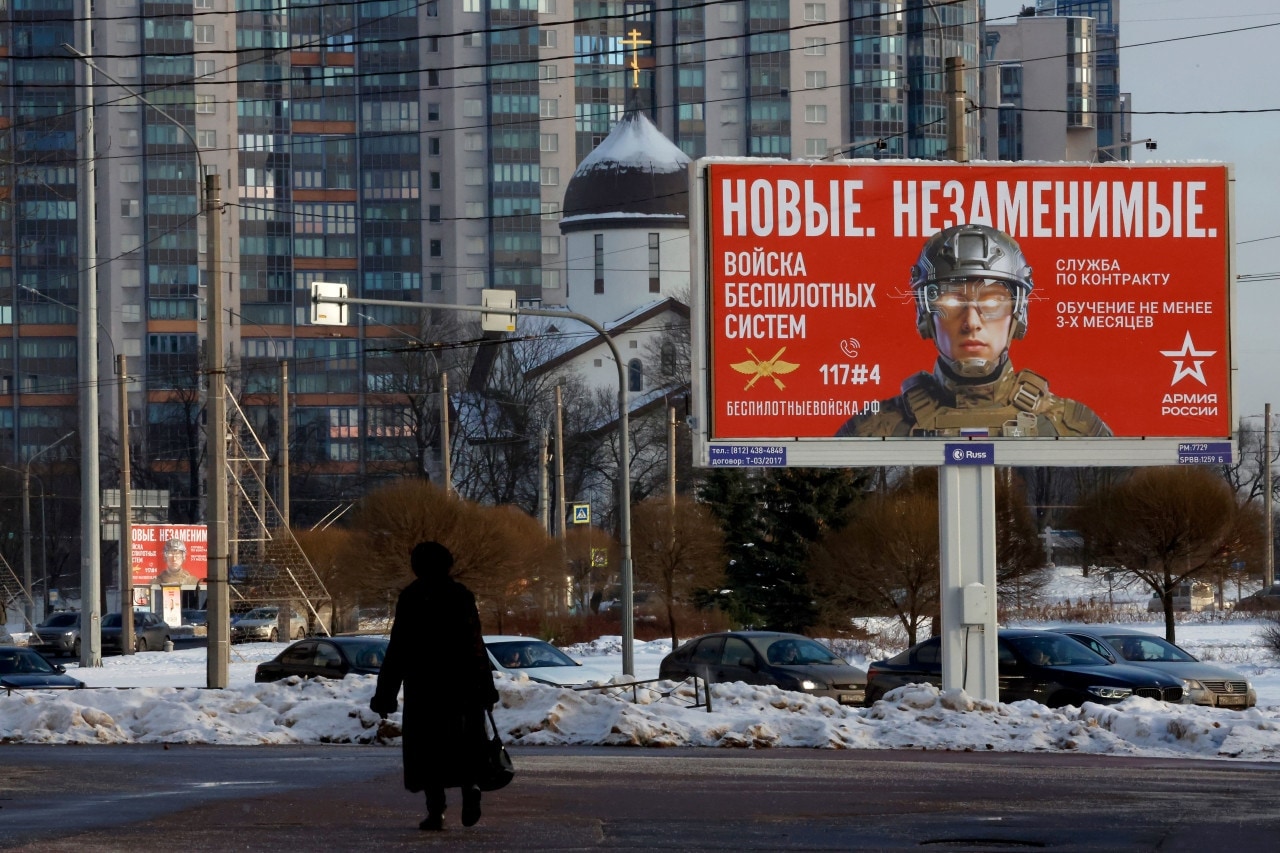
Russia is strong-arming more fighting-age men into military service to boost the flagging ranks of its army as voluntary recruitment stalls and Moscow’s initiative on the front line in Ukraine falters.
In Russia’s smaller towns and cities, some military recruiters have resorted to detaining men on the street, outside their places of work or under the pretext of routine document checks, say lawyers, rights activists and eyewitnesses. Once in a military recruitment office, men may be threatened or beaten until they sign up for the war, they say.
The pressure campaign carries echoes of the partial mobilization Russian President Vladimir Putin instituted in the fall of 2022 when Russia’s front-line positions were buckling due to a lack of manpower. It has also caused speculation among Russian analysts and the country’s political class over whether it preludes another draft.
Russian authorities have offered life-changing sums of money—often more than an entire year’s salary—to those ready to sign up and fight. But recruitment has become more difficult following tales of abuse inside the Russian military and Ukraine’s increasingly lethal capabilities, which have shortened the average soldier’s lifespan on the front to a matter of minutes, days or weeks.
“Authorities have switched to a method of violence, when they catch men and send them off,” said Artyom Klyga, a lawyer who tries to help those who have been forced into service.
The measures offer a counterpoint to the forced enlistment Ukraine has carried out in the face of its own manpower shortage.
While Russia’s recruitment is still officially voluntary, law-enforcement officials are at times working with military recruiters to set a trap for the men and use violence or threats of arrest if they don’t yield to the pressure, the people say.
In the southwestern region of Penza, where recruiters have more aggressively pursued their aims, local resident Vladislav Leonidov said he found an acquaintance at a military recruitment office after the man went missing for several hours in May.
The man had been called into the local police station on the pretext of checking his personal data. When he arrived, two military recruiters were waiting for him and carried him off to the recruitment office where he was beaten on the liver and kidneys, Leonidov said. He was able to intervene and force the man’s release only as he was being transferred to a medical exam.
“If we had come two hours later, he would have already been taken away,” he said. “They move very quickly.”
Raids in Penza by law-enforcement officials or recruiters have caught the attention of locals who have posted videos online in protest of the practice.
One video outside a military recruitment office shows men in civilian clothes sitting inside a military van barricaded by crying women.
“They beat you, they forced you!” one of the women says between tears.
Russian authorities, who for years had gleefully pointed out Ukraine’s forced enlistment, have played down the incidents and threatened a crackdown on those circulating videos of them.
The head of Penza’s recruitment office, Andrey Surkov, told a government briefing that any raids in the region were targeting those avoiding service. The Penza branch of the Interior Ministry has denied that raids are sending men to the front and has threatened legal consequences for those who post or publicize them.
“These video publications have no relation to sending people to the zone of the Special Military Operation,” a ministry statement said, using the official euphemism for the war in Ukraine. “Those spreading false information will face legal consequences in keeping with the laws of the Russian Federation.”
Blogger Stanislav Morozov, who has worked to bring attention to the issue in a documentary, said he is the subject of an investigation by Russia’s feared Federal Security Service. “They haven’t forbidden me from continuing, but they’ve made it clear it’s in my best interests not to,” he said.
Of the dozens of relatives he’s spoken to, he said, most agreed to sign a contract when law-enforcement officials threatened to plant drugs on them and arrest them on the spot.
Part of the pressure stems from regional programs in different parts of Russia that offer third parties cash, in most cases 100,000 rubles, around $1,300, to bring someone to the recruitment office.
Morozov said advertisements hang in residential buildings across Penza promising: “Bring a friend to the recruitment center and get 100,000 rubles,”
Similar campaigns exist elsewhere, such as Tatarstan, where Russia produces the bulk of its drones, as well as in the Amur and Yaroslavl regions, and in cities such as Kaluga, Voronezh and Arkhangelsk. The number of cases of forced recruitment has also risen, said Klyga and rights workers.
Analysts say the measures have likely been blessed by the Kremlin and Defense Ministry but are implemented to varying degrees by region.
The tactics are largely tied to accelerating Russian losses on the front, which now reach an estimated 30,000 to 40,000 killed and wounded each month, according to military analysts.
“Just as many people have to somehow be brought into service, and the fewer there are who are ready to sign a contract the more pressure they have to use,” said Grigory Sverdlin, founder of Get Lost, an antiwar nongovernmental organization that helps Russians avoid service.
U.S. officials say the efforts have likely added some numbers at the front though likely not enough to make any major breakthroughs. Instead, they say, the Kremlin is still weighing the possibility of calling another round of forced mobilization, which could bring another several thousand soldiers to the front. Such a measure, they say, would likely come after Russian parliamentary elections, slated for Sept. 20.
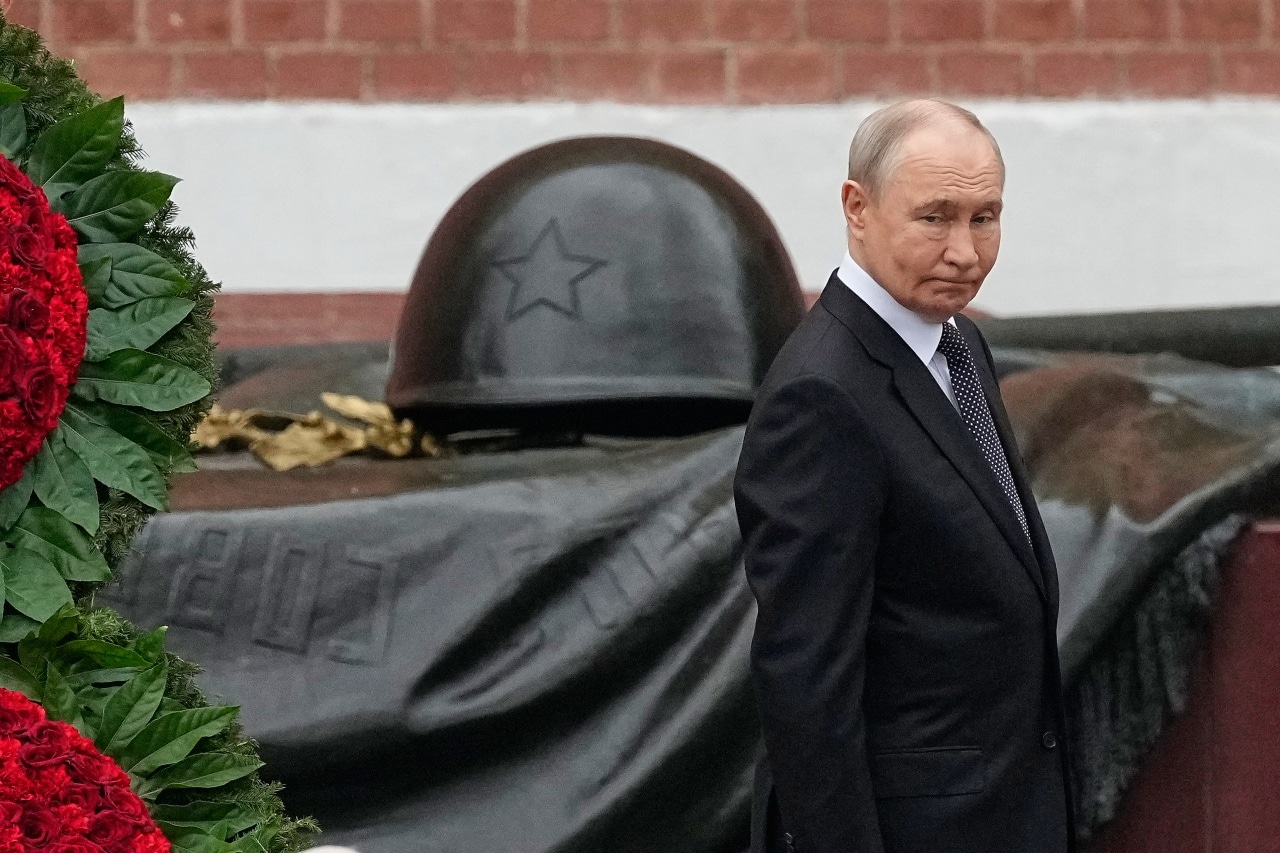
Russia’s economic problems and Ukraine’s growing capabilities have added urgency to the question of mobilization. If Putin chooses to stick to his demands to take all of Ukraine’s eastern Donbas region, “he may have no other choice than to call a mobilization,” said Ruslan Pukhov, director of the Center for the Analysis of Strategies and Technologies, a Moscow-based defense think tank.
While the first round of mobilization was meant to round up reservists and men with military experience, another round would likely bring men with little experience or will to fight to the front.
The political risks involved with such a move could outweigh the military benefits at the front. Some Russians say they would resist such a move with violence.
“As soon as I’m given a weapon, I will shoot those who mobilized me,” said Dmitry Rogin, a 53-year-old Russian reserve officer who is among those who could potentially be called up.
Write to Thomas Grove at thomas.grove@wsj.com


