Differences in lung physiology and immune function in children may explain why they are more often spared from severe illness associated with COVID-19 than adults, according to a research which sheds more light on the biological process behind the deadly infectious disease. Scientists, including those from The University of Texas Health Science Center at Houston (UTHealth) in the US, said children under 18 years of age make up 22 per cent of the US population, but added that only about 1.7 per cent of the first 1,49,082 COVID-19 cases in the country belonged to this age group.
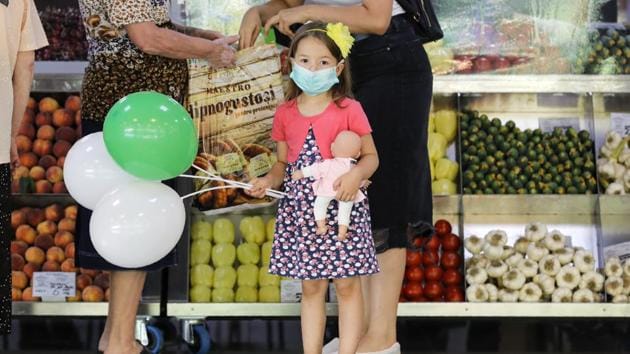
“These profoundly decreased rates of symptomatic infection, hospitalisation, and death, are well beyond statistical significance, require further examination, and may hold the key to identifying therapeutic agents,” the researchers wrote in the American Journal of Physiology - Lung Cellular and Molecular Physiology.
They said a molecule in humans called the Angiotensin-converting enzyme 2, or ACE2, which act as doors that allow the novel coronavirus, SARS-CoV-2, into cells, are lesser in number in children’s lungs than in adults.
“ACE2 are important for viral entry and there seems to be less of them in children, because they increase with age,” said Matthew Harting, a co-author of the study from UTHealth. In addition to fewer ACE2 receptors, the scientists said the immune system in children responds to viruses differently than that of adults, leaving less opportunity for severe illness in pediatric patients. Citing an example, they said there is a retention of the immune system’s T-cells in children, which are capable of fighting off or limiting inflammation.
“T-cells have a viral response and also an immune modulator response. In severe cases of adult COVID-19 patients, we’ve seen that those T-cells are reduced, so the ability to fight the virus is also reduced,” said Harry Karmouty-Quintana, another co-author of the research from UTHealth. “In kids, those T-cells seem to be maintained, so they are still able to prevent the virus,” Karmouty-Quintana said.
{{/usCountry}}“T-cells have a viral response and also an immune modulator response. In severe cases of adult COVID-19 patients, we’ve seen that those T-cells are reduced, so the ability to fight the virus is also reduced,” said Harry Karmouty-Quintana, another co-author of the research from UTHealth. “In kids, those T-cells seem to be maintained, so they are still able to prevent the virus,” Karmouty-Quintana said.
{{/usCountry}}According to the researchers, the lung tissue in children naturally has a higher concentration of regulator T-cells. They said patients with higher levels of T-cells also have higher levels of the cell-cell signalling molecule called Interleukin 10 (IL-10), also known as the human cytokine synthesis inhibitory factor.
“IL-10 inhibits the inflammation of other components like IL-6 that are detrimental. Adults tend to experience hyper-inflammatory state, where kids do not,” Karmouty-Quintana said. “In preclinical studies in mice, IL-10 has also shown to decrease with age,” he added. The scientists believe collaborations between adult and pediatric providers are really important to compare the way the virus behaves in younger kids with the observations made in older people.
(This story has been published from a wire agency feed without modifications to the text. Only the headline has been changed.)
Follow more stories on Facebook and Twitter
Catch your daily dose of Fashion, Taylor Swift, Health, Festivals, Travel, Relationship, Recipe and all the other Latest Lifestyle News on Hindustan Times Website and APPs.
Catch your daily dose of Fashion, Taylor Swift, Health, Festivals, Travel, Relationship, Recipe and all the other Latest Lifestyle News on Hindustan Times Website and APPs.