The government is creating a common digital system to keep track of rural drinking-water infrastructure under Sujalam Bharat, as the Jal Jeevan Mission moves towards managing and maintaining the water systems it has built.
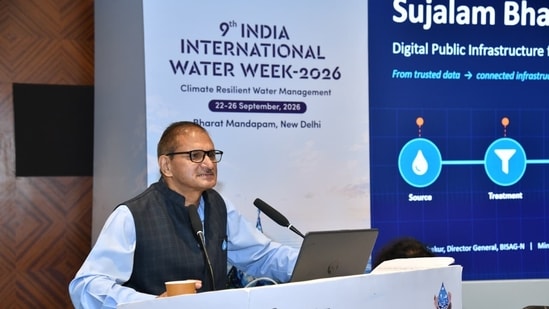
According to a government press release, the policy issued by the Department of Drinking Water and Sanitation on August 20 sets common rules for how information on rural water infrastructure will be recorded, shared and used by different government agencies.
What will the digital ID do?
A Sujalam Bharat ID will be given to a rural water-supply system. It will connect information about the system — from its water source and treatment plant to pipelines, storage tanks and the villages it supplies, according to according to a document shared by the Jal Shakti ministry with HT.
A water-supply system can serve more than one village. These villages will have Sujal Gaon IDs, which can be linked to the main water-supply system, it explained.
Why is this needed?
Rural water infrastructure generates a lot of information after it is built including details of water sources, pipelines, assets, water quality, breakdowns and repairs.
{{/usCountry}}Rural water infrastructure generates a lot of information after it is built including details of water sources, pipelines, assets, water quality, breakdowns and repairs.
{{/usCountry}}The common ID would allow this information to remain linked to the same water system throughout its operational life.
This could help officials and local bodies know which assets are working, which need repairs and where problems are recurring.
Also read: Farmers or data centres? Cong questions state’s water priorities amid drought
Will the Centre control state water data?
No.
Sujalam Bharat will work as a federated system, which means states and Union territories will continue to control the data they collect.
The common IDs and technical standards will allow different government systems to connect with each other, while states retain control over their own data.
Where does AI come in?
The government sees this system as a base for using AI and other new technologies in the future.
For example, properly organised data could help identify equipment that is likely to fail, spot unusual changes in water systems, assess whether a water source is under stress and help officials plan new infrastructure.
According to the government, AI would assist government officials, but important decisions would continue to require human oversight.
Also read: Man develops affordable wastewater treatment solution gets UNDP recognition
What does this mean for citizens?
The government says the system can also make information about rural water services more accessible to citizens.
Through platforms such as the 'Meri Panchayat' application, approved information on water assets, water quality and daily water supply can be made available to citizens.
People and local institutions can also provide feedback, report problems and track grievances.